


News
We'll get back to you as soon as possible.
Why Anaerobic Digestion Renewable Energy Is Reshaping Biogas Markets
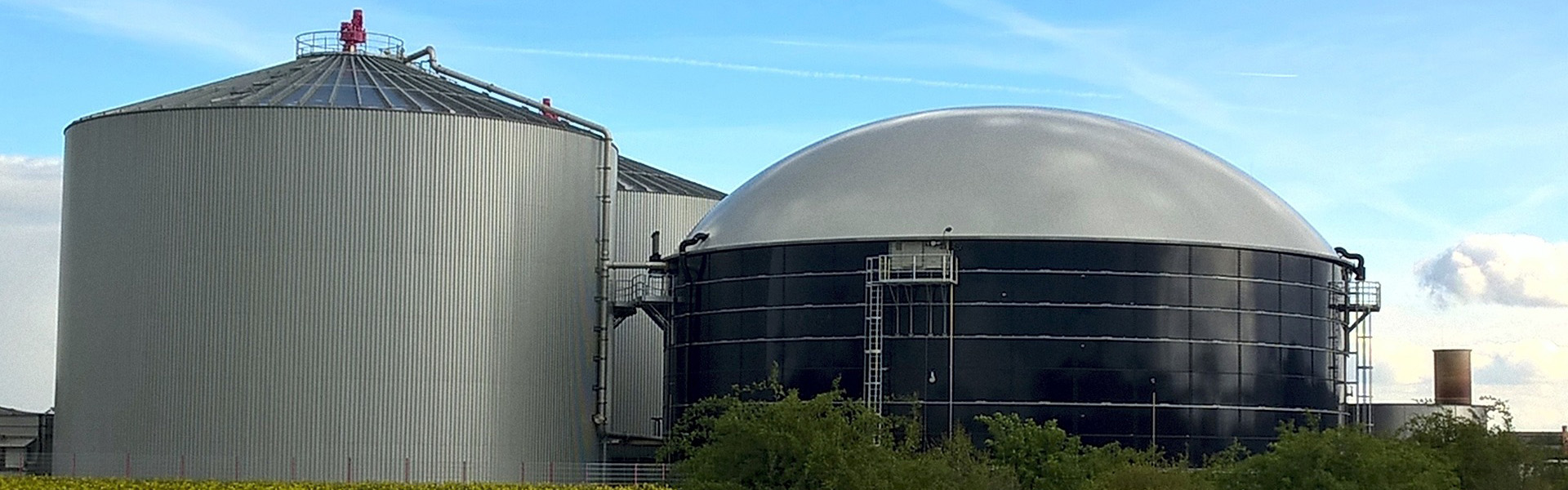
For operators in the biogas sector, turning organic waste into usable fuel has become a priority. anaerobic digestion renewable energy offers a practical path to reduce emissions while generating heat, electricity, or biomethane. Many facility managers now look for robust upgrading equipment that fits their feedstock types and output goals. This article covers key aspects of anaerobic digestion systems, equipment choices, and operational insights from an international biogas upgrading plant manufacturer’s perspective.
What Makes Anaerobic Digestion a Reliable Renewable Energy Source?
Unlike solar or wind, anaerobic digestion renewable energy is not weather-dependent. It runs steadily as long as organic feedstock—such as agricultural residues, food waste, or manure—is available. This predictability appeals to grid operators and industrial users who need constant energy supply.
Biogas produced from digesters typically contains 50-70% methane. The rest is CO₂ and trace gases. Upgrading equipment removes CO₂ and impurities, turning raw biogas into pipeline-grade biomethane. The result is a direct substitute for natural gas, with a much lower carbon footprint.
For a plant owner, consistent gas output means better return on investment. Modern sensors and control systems help maintain stable digestion conditions, even when feedstock quality varies. That is why more developers are investing in anaerobic digestion renewable energy projects.
Core Equipment for Biogas Upgrading Plants
Choosing the right technology matters. Water scrubbing, pressure swing adsorption (PSA), membrane separation, and amine scrubbing are common upgrading methods. Each has its own footprint, methane loss rate, and operational cost profile.
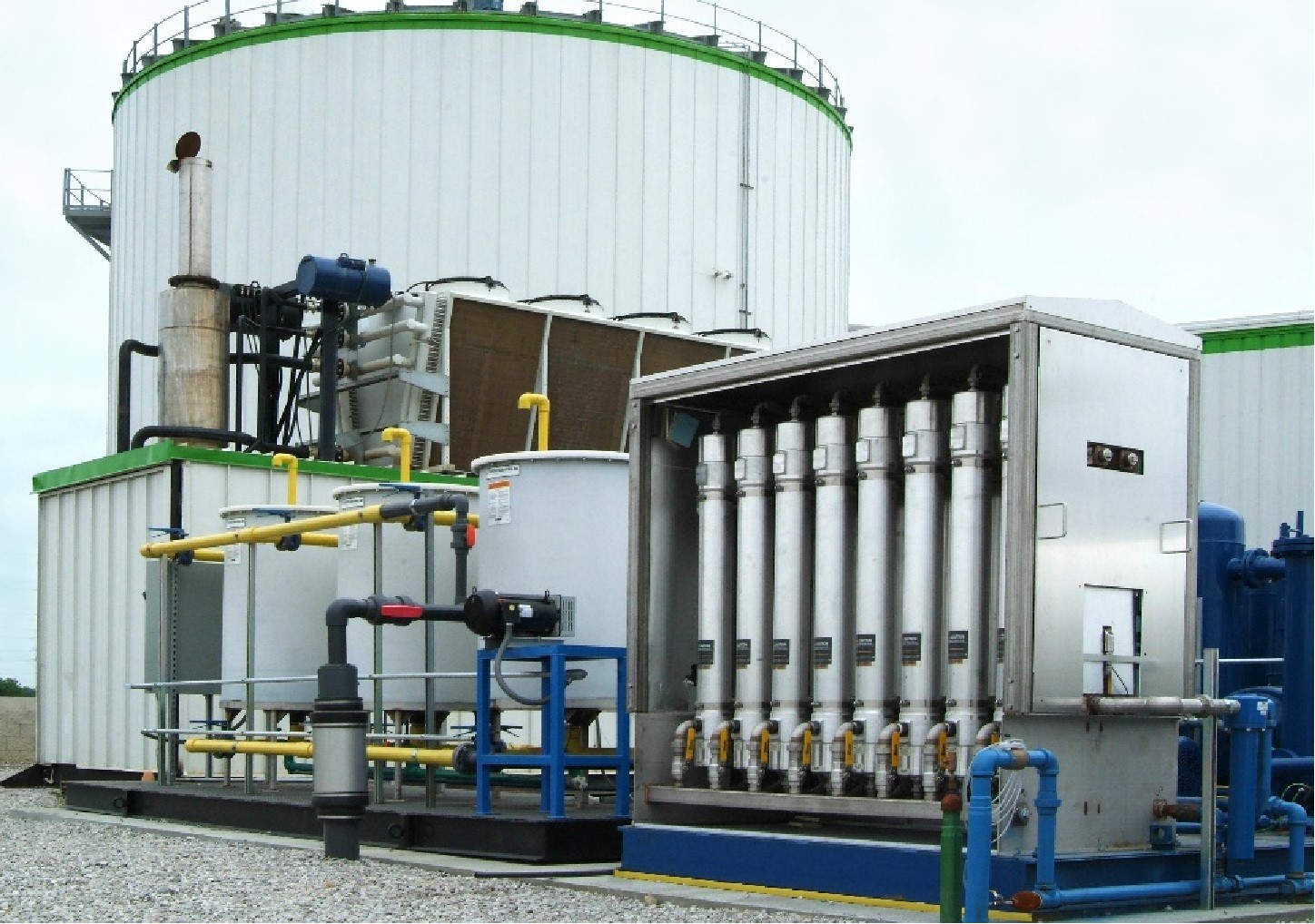
Membrane systems are popular for medium-to-large plants because they are compact and easy to automate. They separate CO₂ from methane using selective permeable fibers. For smaller farms, a PSA unit may be more affordable. Our biogas upgrading plants are designed to handle flow rates from 50 Nm³/h up to 2,000 Nm³/h, with methane recovery exceeding 99%.
Besides the upgrading skid, pre-treatment equipment is critical. Hydrogen sulfide (H₂S) removal, siloxane filters, and gas drying steps protect downstream equipment. Neglecting pre-treatment leads to corrosion, membrane fouling, and higher maintenance costs. So a full-line supplier who offers both upgrading and pre-treatment components simplifies procurement and operation.
Feedstock Flexibility and Biogas Yield Optimization
Not all organic waste digests the same way. Food waste has high methane potential but may need pasteurization. Manure is easier to handle but yields less gas per ton. Co-digestion—mixing several feedstocks—often gives the best economic results.
Operators who monitor pH, temperature (mesophilic 35-40°C or thermophilic 50-55°C), and organic loading rate can avoid digester souring. Real-time sensors and automatic feeding systems help maintain peak biogas production. Many modern plants also include a small storage tank for digestate, which can be sold as biofertilizer. That extra revenue stream makes anaerobic digestion renewable energy projects more bankable.
From an equipment standpoint, the upgrading unit should tolerate some fluctuation in methane concentration. Membrane plants with adaptive control loops adjust pressure automatically to maintain output purity even when inlet biogas drops to 50% CH₄. That flexibility reduces downtime and rework.
How Anaerobic Digestion Renewable Energy Supports Carbon Neutrality Goals
Industrial emitters face growing pressure to decarbonize. Replacing fossil natural gas with biomethane from anaerobic digestion renewable energy cuts CO₂ emissions by up to 90% on a life-cycle basis. Moreover, the process prevents methane release from landfills or open lagoons—methane being 28 times more potent than CO₂ over 100 years.
In the European Union and North America, renewable gas certificates (biomethane credits) create an additional value stream. Plant operators can sell these certificates alongside the physical gas. Upgrading equipment with real-time flow measurement and gas quality analyzers makes certification audits easier.
For municipalities, combining organic waste collection with an anaerobic digester reduces landfill fees and produces green energy for city fleets or heating networks. Several cities have already integrated such plants into their climate action plans. The equipment payback period there is often under 5 years, given high waste disposal costs and energy prices.
Maintenance and Long-Term Performance of Biogas Upgrading Units
Even the best membrane or PSA system requires regular checks. Membrane modules may need replacement every 5–8 years, depending on gas cleanliness. Carbon filters for H₂S removal need regeneration or replacement every few months. A good supplier offers remote monitoring and predictive maintenance alerts.
We design our biogas upgrading plants with modular components so that a technician can swap a membrane vessel or a PSA valve without shutting down the whole line. That modularity also makes capacity expansion easier: add another skid when gas production grows.
Operator training is another factor often underestimated. A well-trained team can adjust feed rates, detect early signs of membrane fouling, and maintain logbooks that support warranty claims. We include on-site commissioning and remote support in every equipment delivery.
Economic Viability: From Gate Fees to Biomethane Sales
An anaerobic digestion renewable energy plant makes money from several streams: gate fees (tipping fees) for accepting waste, sale of biomethane, sale of digestate as fertilizer, and possibly renewable energy certificates. The proportion varies by region. In countries with carbon taxes, biomethane can be priced higher than natural gas.
Capital costs for a 500 Nm³/h upgrading plant range from €1.2M to €2.5M depending on technology and automation level. Operating costs (electricity, maintenance, labor, replacement parts) are typically €0.10–€0.18 per Nm³ of raw biogas processed. With biomethane selling at €0.60–€1.00 per Nm³ equivalent in many markets, the gross margin is attractive.
Financing institutions are more willing to lend to projects that use proven upgrading technology from established manufacturers. They look for low methane slip (under 0.5%) and high uptime (>95%). That's why selecting a supplier with references in your region matters.
Conclusion: Scaling Up Anaerobic Digestion Renewable Energy with the Right Partner
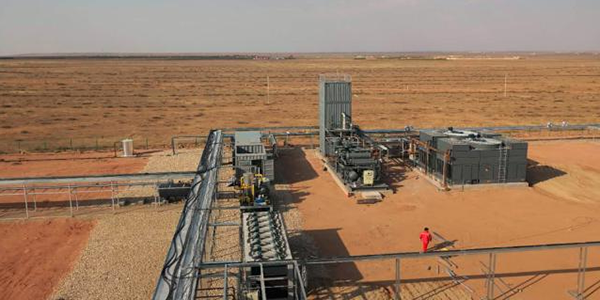
To capture the full potential of anaerobic digestion renewable energy, you need more than a digester tank. The upgrading equipment decides whether you can inject biomethane into the grid, fuel vehicles, or generate high-efficiency electricity. A reliable manufacturer brings pre-treatment, upgrading, and after-sales support under one roof. We invite plant developers and waste management companies to explore our biogas upgrading plants and see how modular, low-loss designs improve project economics.
Frequently Asked Questions (FAQ)
Q1: What is the typical methane concentration after upgrading with your equipment?
A1: Our membrane and PSA systems produce biomethane with 96–99% methane purity, meeting European (EN 16723) and US (ASTM D5454) grid injection standards. Lower losses compared to water scrubbing.
Q2: Can I feed food waste into an anaerobic digestion system?
A2: Yes, but food waste may require particle size reduction, pasteurization (70°C for 1 hour), and careful pH control. Co-digestion with manure or slurry is often more stable for continuous anaerobic digestion renewable energy production.
Q3: How long does it take to install a biogas upgrading plant from order to operation?
A3: Standard modular units (≤500 Nm³/h) ship within 8–12 weeks. Site installation and commissioning take 2–4 weeks. Larger custom plants may need 20 weeks from order to first gas.
Q4: What is the lifespan of the membranes in your upgrading units?
A4: With proper pre-treatment (H₂S below 100 ppm, no siloxanes), membranes typically last 5–8 years. Replacement module costs are about 25–30% of the original skid price.
Q5: Do you provide training for local operators?
A5: Yes, we include 5 days of on-site training plus a comprehensive operations manual. Remote support via secure connection is available 24/7 for troubleshooting. We also offer annual refresher courses.
Q6: Can I sell excess biomethane to a gas grid?
A6: In most EU countries and several US states, yes. You’ll need a gas quality analyzer and flow meter for billing. Our upgrading skids can be supplied with integrated grid injection stations that meet local regulations.
Q7: What happens to the separated CO₂ from the upgrading process?
A7: The CO₂ can be vented (if no local restrictions) or captured for industrial use—greenhouses, carbonated drinks, or enhanced oil recovery. Some plants use it to produce dry ice, adding another revenue stream.