


News
We'll get back to you as soon as possible.
How to Choose the Right Anaerobic Digestion Reactor for Industrial Biogas Projects
The global demand for renewable energy has placed biomethane production at the center of green energy discussions. As municipal authorities, agricultural cooperatives, and industrial processors seek to reduce carbon emissions, organic waste treatment has become a viable economic opportunity. To achieve a stable and high-yield biogas production process, selecting the right equipment is critical.
At the heart of any commercial waste-to-energy project lies the digestion vessel. The performance, stability, and gas quality of the entire downstream facility rely heavily on the design and efficiency of the anaerobic digestion reactor. Choosing the correct system requires a deep understanding of feedstock characteristics, biochemical processes, and engineering standards.
This article reviews the key considerations for selecting digestion systems, their integration with downstream upgrading technologies, and the operational variables that determine long-term project viability.
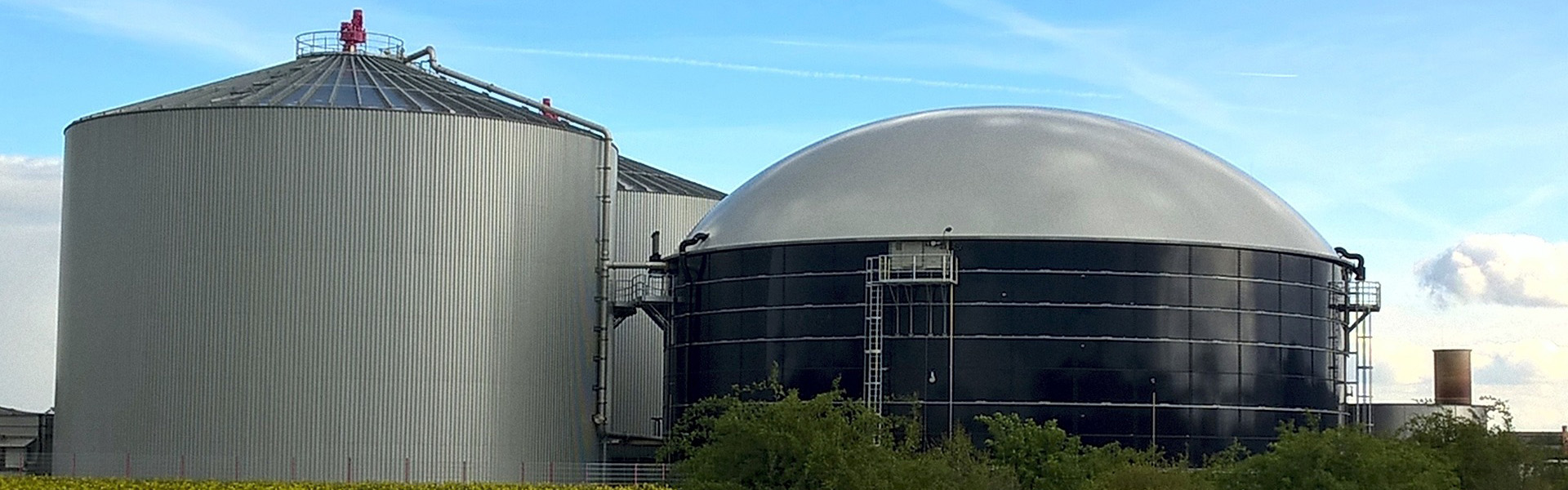
What is an Anaerobic Digestion Reactor and How Does It Work?
An anaerobic digestion reactor is an enclosed, engineered containment vessel designed to degrade organic matter in the absence of oxygen. This biological breakdown is carried out by specialized consortia of microorganisms, primarily bacteria and methanogenic archaea. The process converts complex organic compounds into biogas, which consists mainly of methane and carbon dioxide.
The biological process inside the anaerobic digestion reactor occurs in four distinct chemical phases: hydrolysis, acidogenesis, acetogenesis, and methanogenesis. Each phase requires specific environmental conditions to proceed efficiently. If one phase is disrupted, the balance of the entire system can fail, leading to reduced gas production or complete biological failure.
To maintain biological stability, modern reactors are equipped with auxiliary systems. These typically include heating systems, mixing mechanisms, and monitoring sensors for temperature, pH, and gas composition. By controlling these variables, operators can maintain a steady state and optimize gas output.
Key Types of Anaerobic Digestion Reactor Systems
Industrial projects utilize different types of reactor configurations based on the moisture content and physical nature of the incoming feedstock. Understanding these configurations is essential for matching the technology with your waste stream.
The Continuously Stirred Tank Reactor, commonly known as CSTR, is widely used for liquid and semi-solid materials. In a CSTR, the incoming organic matter is continuously mixed with the active biomass inside the tank. This configuration is suitable for animal manures, wastewater sludge, and food waste mixtures with low total solids content.
For high-strength wastewater from food and beverage processing, Upflow Anaerobic Sludge Blanket systems are often preferred. This type of anaerobic digestion reactor utilizes a dense bed of granular biomass. Wastewater flows upward through the blanket, allowing fast biochemical reaction rates and short retention times.
Dry digestion reactors, or plug-flow reactors, are designed to handle high-solids feedstocks such as municipal solid waste and agricultural residues with solids content above fifteen percent. These systems rely on mechanical pushers or gravity to move the thick material through the reactor without active fluid circulation.
Optimizing Your anaerobic digestion reactor for Biogas Upgrading
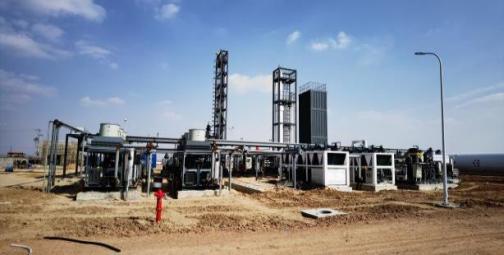
The primary output of the biological digestion process is raw biogas, which contains fifty to seventy percent methane. The remaining portion consists of carbon dioxide, water vapor, hydrogen sulfide, and trace impurities. To convert this gas into grid-quality biomethane or vehicle fuel, it must undergo a purification process.
An efficient anaerobic digestion reactor directly reduces the workload of downstream upgrading equipment. By maintaining stable operating parameters, the reactor produces a consistent gas flow rate and methane concentration. Fluctuations in feedstock feed rates or temperature can cause spikes in carbon dioxide or hydrogen sulfide levels, which can overload upgrading filters.
Integrating biological desulfurization inside the headspace of the anaerobic digestion reactor is a common method to reduce hydrogen sulfide levels before the gas reaches the main purification system. Micro-aeration, which introduces small, controlled amounts of oxygen into the reactor dome, allows sulfur-oxidizing bacteria to convert hydrogen sulfide into elemental sulfur.
Crucial Engineering Factors for Reactor Selection
When selecting an anaerobic digestion reactor, several engineering and operational parameters must be carefully calculated during the project design phase. The first parameter is the Organic Loading Rate, which defines how much organic matter is fed into the system per unit of volume per day.
The Hydraulic Retention Time, or the average time the liquid remains inside the reactor, is another critical factor. If the retention time is too short, the methanogenic microorganisms do not have enough time to reproduce, leading to a washout of active biomass and a drop in methane yield.
Temperature control is equally important to maintain the activity of the microorganisms. Reactors are generally classified as mesophilic, operating around thirty-seven degrees Celsius, or thermophilic, operating around fifty-five degrees Celsius. Thermophilic systems offer faster digestion rates but require more heating energy and are more sensitive to temperature fluctuations.
Material Selection and Corrosion Resistance
The internal environment of an anaerobic digestion reactor is highly corrosive due to the presence of moisture, organic acids, and hydrogen sulfide gas. Selecting appropriate materials of construction is a critical factor in determining the physical lifespan of the equipment.
Glass-lined steel, also known as glass-fused-to-steel, is a standard material used for industrial biogas tanks. The glass coating provides chemical resistance against aggressive acids and gases, while the steel core offers structural strength. These tanks are assembled on-site using bolted panels, which reduces installation time.
Concrete structures are also common, particularly for large-scale agricultural projects. Concrete tanks require specialized internal coatings or liners, such as high-density polyethylene, to protect the concrete from acid attack and to prevent biogas leaks through porous walls.
Operational Challenges and Preventative Maintenance
Operating an industrial anaerobic digestion reactor requires continuous monitoring to prevent common mechanical and biological issues. Foaming is a frequent problem, often caused by sudden changes in organic loading or the presence of specific proteins and surfactants in the feedstock.
Sedimentation of heavy materials, such as sand, grit, and small stones, can gradually reduce the active volume of the reactor. Over time, this accumulation of solids requires manual cleaning, which leads to plant downtime. Installing effective pre-treatment grit removal systems can mitigate this operational risk.
Mechanical mixers inside the reactor are subject to high wear and tear. Regular maintenance of seals, shafts, and motor drives is necessary to prevent mixer failures. Inadequate mixing leads to thermal stratification, where temperature layers form within the liquid, reducing overall biogas production efficiency.
Financial Considerations and Return on Investment
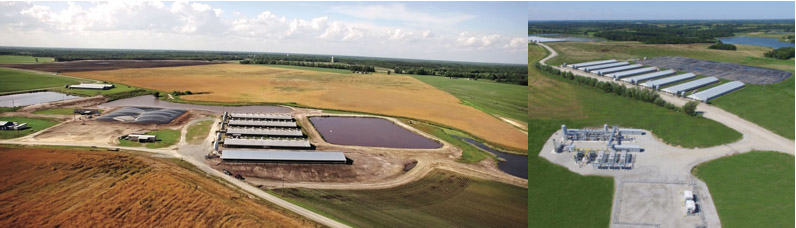
The capital expenditure for an anaerobic digestion reactor represents a significant portion of the total budget for a biogas plant. However, choosing a cheaper, low-specification system often leads to higher operational costs and lower gas yields over the project life cycle.
A high-quality reactor system with reliable mixing and heating mechanisms ensures high feedstock conversion rates. This maximizes the volume of biomethane produced, directly improving the revenue generated from gas sales or electricity generation. It also reduces the volume of digestate that must be stored, transported, and disposed of.
Furthermore, robust reactor engineering minimizes unexpected shutdowns and maintenance costs. When evaluating suppliers, project developers should consider the long-term energy efficiency of the mixing systems and the durability of the internal corrosion protection coatings.
Developing a successful biogas project requires a balanced approach to biological management and mechanical engineering. The choice of digestion technology defines the limit of what the downstream upgrading systems can achieve. A stable gas flow and composition are fundamental to securing a high-purity biomethane output.
By assessing feedstock characteristics, selecting durable construction materials, and integrating proper monitoring systems, operators can ensure their plant operates reliably for decades. For long-term viability, investing in a robust anaerobic digestion reactor is the first and most critical step toward sustainable renewable energy production.
Frequently Asked Questions
Q1: What is the typical lifespan of an industrial anaerobic digestion reactor?
A1: An industrial reactor constructed with high-quality materials, such as glass-fused-to-steel or properly lined concrete, can have a service life of twenty to thirty years. The actual lifespan depends heavily on regular preventative maintenance, the corrosiveness of the feedstock, and the quality of the internal protective coatings.
Q2: How does temperature affect the performance of the digestion reactor?
A2: Temperature determines the metabolic rate of the bacteria and methanogenic archaea. Mesophilic systems (35–40°C) are more stable and require less heat energy, making them common for moderate climates. Thermophilic systems (50–55°C) process waste faster and sanitize pathogens more effectively, but they require precise temperature control and higher heating inputs.
Q3: Can a single reactor handle different types of feedstocks simultaneously?
A3: Yes, this process is known as co-digestion. Mixing different feedstocks, such as animal manure with food waste, can balance the carbon-to-nitrogen ratio and improve methane yields. However, any changes to the feedstock mix must be introduced gradually to allow the microbial community inside the reactor to adapt without destabilizing the system.
Q4: What causes a reactor to become "sour," and how can it be fixed?
A4: A reactor becomes sour when acid-forming bacteria produce volatile fatty acids faster than methanogenic archaea can consume them, causing the pH to drop. This is usually caused by overfeeding or sudden temperature drops. It can be corrected by temporarily stopping the feed, adding buffering agents like sodium bicarbonate, or recycling digested sludge from another stable reactor.
Q5: Why is mixing so critical inside the digestion vessel?
A5: Effective mixing ensures that the microorganisms remain in continuous contact with fresh organic nutrients. It also prevents thermal stratification, distributes heat evenly, prevents the formation of a hard scum layer on the liquid surface, and facilitates the release of biogas bubbles from the liquid slurry.