


News
We'll get back to you as soon as possible.
AD Reactor Performance: Boost Biogas Yield & Cut Costs
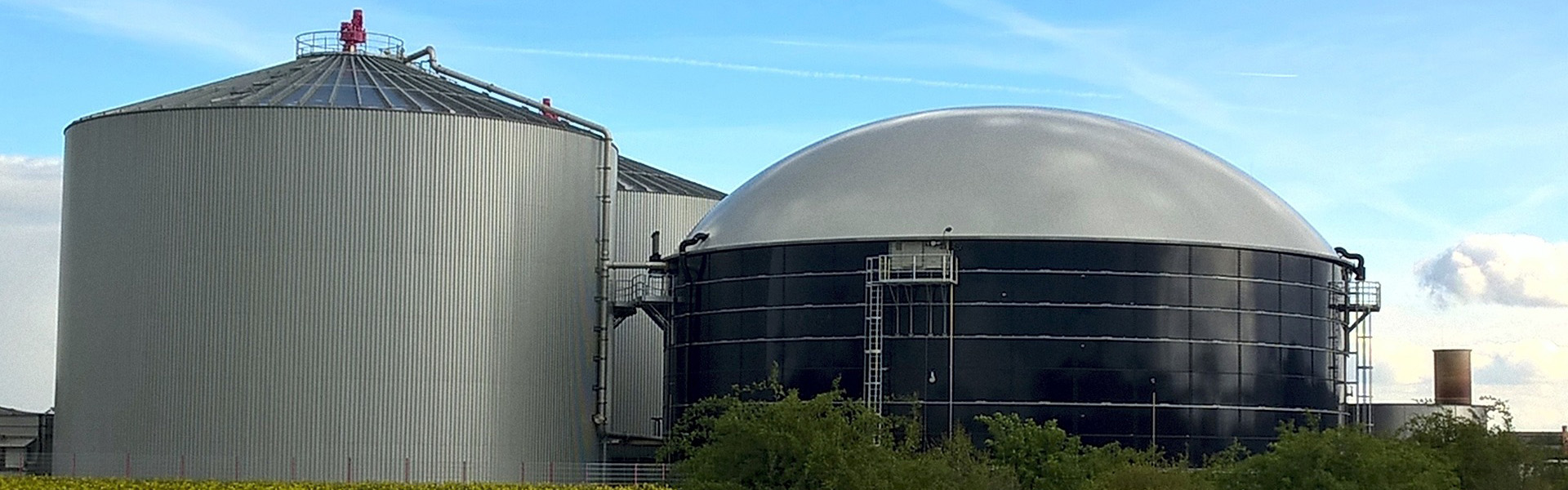
In the world of biological gas upgrading equipment, the AD reactor is the engine that drives every profitable biogas facility. Whether you process agricultural residues, food waste, or manure, the anaerobic digestion reactor directly determines gas yield, organic breakdown speed, and downstream purification efficiency. Without a well-tuned AD reactor, even advanced membrane separators cannot reach pipeline-grade methane. That’s why more plant operators are rethinking their digestion setup, integrating steam explosion pretreatments, and pairing the AD reactor with high-separation membranes. This article walks you through real data from the field, showing how small changes in your AD reactor configuration can slash retention times and boost final gas quality.
The Real Cost of an Underperforming AD Reactor
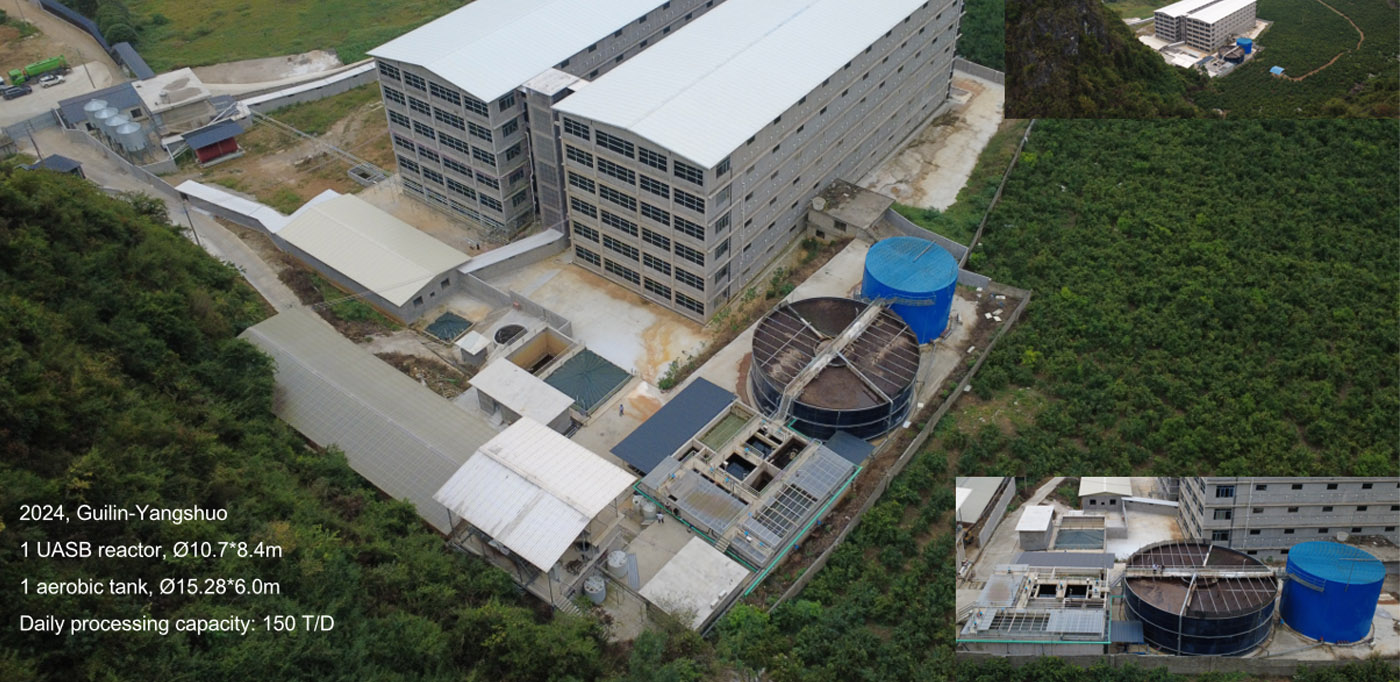
Many operators focus solely on upgrading equipment downstream, ignoring the heart of the plant: the AD reactor. A poorly designed or overloaded reactor leads to incomplete digestion, foam formation, and volatile fatty acid accumulation. These issues directly reduce biogas methane content from 55% down to 45% or even lower.
Every percentage drop in methane forces your biogas upgrading system to work harder, consuming more electricity and increasing operational expenses. In fact, data from recent installations show that optimizing the AD reactor can cut upgrading energy use by nearly 18%.
Additionally, an unstable AD reactor produces hydrogen sulfide spikes, damaging membranes and carbon steel components. This is why modern solutions always start with a robust AD reactor before adding any gas polishing steps.
How Steam Explosion Pretreatment Relieves Your AD Reactor
Conventional anaerobic digestion requires long hydraulic retention times — often 28 to 60 days — because lignocellulosic materials resist bacterial attack. That’s where steam explosion technology changes the game. Before feeding biomass into the AD reactor, high-pressure steam ruptures cell walls, making carbohydrates instantly accessible to methanogens.
Real-world results from OPM steam explosion units show that fermentation time drops from 60 days to just 3 days for straw-based substrates. This means your AD reactor can process the same volume of feedstock in a fraction of the time, effectively increasing capacity tenfold.
Moreover, the exploded material emerges as a warm slurry that mixes completely with water, eliminating floating layers and blockages inside the AD reactor. No more bridging, no more stratification — just steady, efficient gas production. Operators who add a steam explosion step before the AD reactor often reduce their digester volume requirements by 90%, a game-changer for plant economics.
Pairing Membrane Biogas Upgrading with Your Existing AD reactor
Once your AD reactor produces raw biogas, the next challenge is purification. Membrane technology has become the gold standard for biogas upgrading because it offers high methane recovery with low energy consumption. At the core of modern upgrading plants, membrane skids separate CO₂, H₂S, and water vapor, delivering methane purity above 98%.
The secret to seamless integration lies in stabilizing the AD reactor output. A consistent biogas composition — roughly 55-60% methane, 40-45% CO₂, and low H₂S — allows membranes to operate at optimal separation efficiency. When the AD reactor fluctuates, membranes lose performance and require more frequent cleaning.
That’s why leading manufacturers like OPM design their three-stage membrane systems to pair directly with the AD reactor’s gas output, including a H₂S polishing unit inside a 40ft container. The result: final CO₂ content drops below 2%, meeting natural gas grid specifications without expensive chemical scrubbing.
Three Signs Your AD Reactor Needs an Upgrade
1. Long retention times above 40 days. If your AD reactor holds material for more than a month, you're losing money. Modern pretreatment (steam explosion or enzymatic) can drop retention to 7 days or less.
2. Frequent foaming or scum layer formation. This indicates poor mixing or high lignin content. A steam explosion step before the AD reactor eliminates floating particles, creating a homogeneous slurry that digests cleanly.
3. Low methane yield per ton of feedstock. When your AD reactor produces less than 300 m³ of biogas per ton of dry organic matter, there’s room for improvement. Check your feedstock preparation; often, size reduction from 50mm to 2-3mm (using a pellet mill or shredder) raises biogas harvest by 11% or more.
Why Shorter Hydraulic Retention Time Changes AD Reactor Economics
Time is money in biogas production. Every extra day that biomass stays inside the AD reactor ties up capital in tank volume, heating costs, and mixing energy. Cutting retention time from 28 days to 3-7 days doesn't just reduce operational expenses — it also shrinks the required digester footprint.
Imagine building an AD reactor that is only 10% of the conventional size. That’s exactly what steam explosion pretreatment enables. For a 500 m³/day biogas plant, the savings on concrete, steel, and land can exceed $2 million.
Shorter retention also means faster response to market changes. When energy prices spike, you can quickly increase throughput by feeding more pretreated biomass into the AD reactor, ramping up methane production within days rather than months.
CO₂ Liquefaction: The Next Profit Center After Your AD Reactor
Most biogas plants vent the CO₂ separated during upgrading, but that’s leaving money on the table. Modern facilities add a CO₂ liquefaction unit downstream of the membrane system, turning waste gas into a sellable product. Food-grade liquid CO₂ commands stable prices and reduces the plant’s carbon intensity score.
This works because the AD reactor produces a consistent stream of CO₂ along with methane. By capturing and purifying that CO₂, operators create an additional revenue stream while lowering their net greenhouse gas emissions. The combination of an efficient AD reactor, membrane upgrading, and CO₂ liquefaction represents the future of integrated bioenergy facilities.
Real-World Data: What an Optimized AD Reactor Delivers
Let’s look at a case study from a European plant processing wheat straw. Before optimization, their AD reactor ran on untreated straw (30-50mm pieces) with a retention time of 60 days and methane yield of only 180 m³ per ton. After installing an OPM steam explosion unit and adjusting the AD reactor’s feeding regime, retention time dropped to 3 days, and methane yield jumped to 420 m³ per ton.
The plant also added a three-stage membrane upgrading system, reducing CO₂ content from 48% to 1.2%. Operating costs fell by 35% due to lower heating demand and less mixing energy. The investment in the AD reactor-related upgrades paid back in less than 14 months.
This example is not unique. Dozens of facilities worldwide are achieving similar results by focusing on the AD reactor as the primary leverage point, not just the upgrading skid.
Practical Steps to Tune Your AD Reactor for Higher Output
Step 1: Characterize your feedstock. Measure particle size, moisture content, and lignin percentage. Straws and woody materials need mechanical or thermal pretreatment.
Step 2: Install a steam explosion reactor before the AD reactor. This is the single most impactful upgrade for lignocellulosic feedstocks. It cuts retention time from weeks to days and increases gas yield by over 50%.
Step 3: Monitor key parameters inside the AD reactor. pH, temperature, alkalinity, and volatile fatty acids should be tracked daily. Automatic control systems can adjust feeding rates to maintain optimal conditions.
Step 4: Pair your AD reactor with a high-efficiency membrane upgrading plant. Look for multi-stage membrane units that include H₂S removal and have a proven track record of less than 2% CO₂ in the final output.
Step 5: Consider CO₂ liquefaction as a revenue add-on. Once your AD reactor and upgrading system run steadily, capturing and selling liquid CO₂ adds another profit layer.
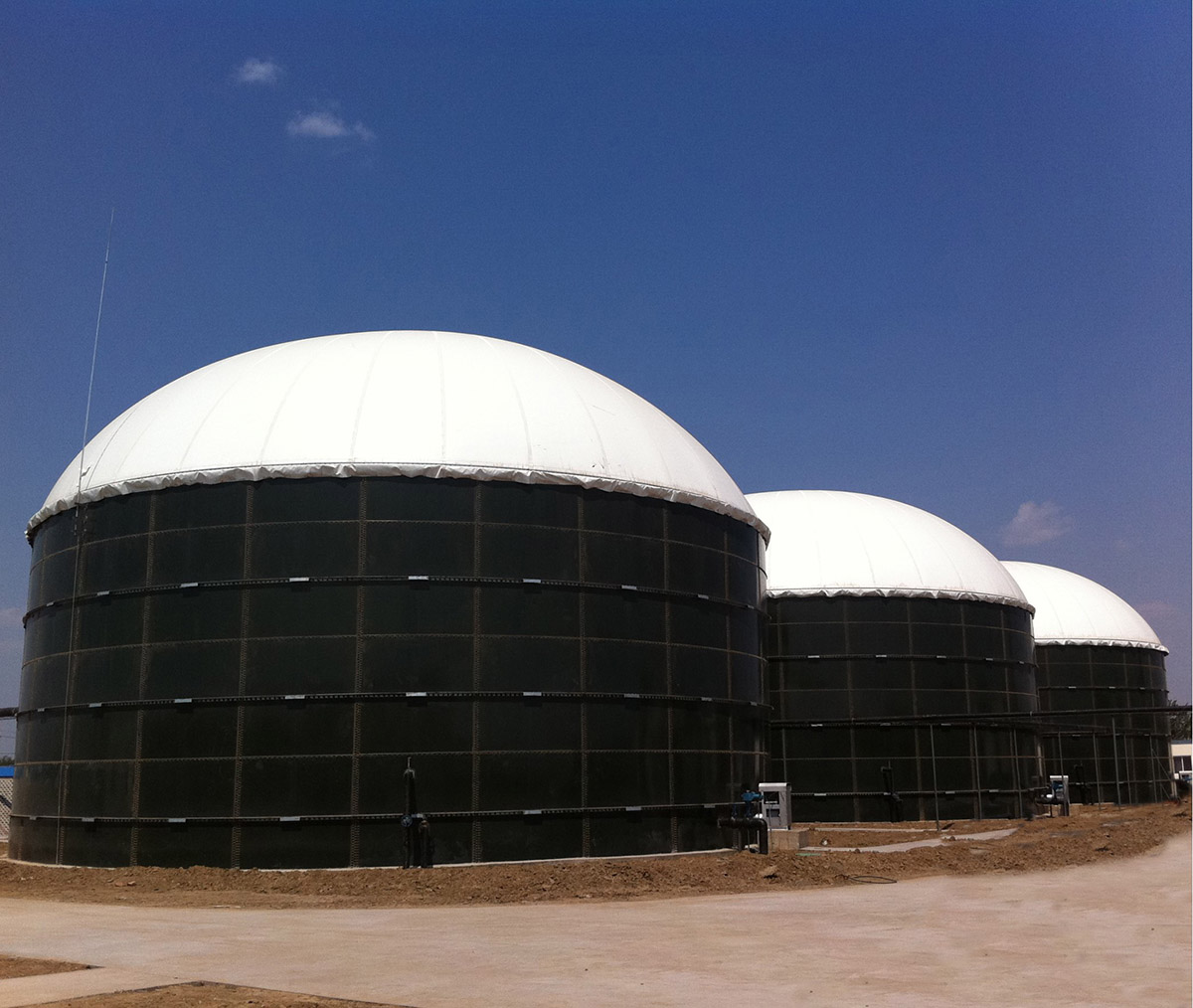
In summary, selecting and operating the right AD reactor — supported by steam explosion pretreatment and membrane-based biogas upgrading — remains the most effective way to boost methane output, lower investment costs, and stay competitive. The data from hundreds of installations prove that an optimized AD reactor cuts fermentation time from 60 days to just 3 days for straw, reduces AD tank investment by 90%, and enables CO₂ recovery for additional revenue. Don't let an outdated digester hold your plant back.
Frequently Asked Questions About AD Reactors and Biogas Upgrading
Q1: What is the ideal retention time for an AD reactor processing
agricultural residues?
A1: With conventional untreated straw,
retention time often exceeds 40-60 days. However, after applying steam explosion
pretreatment, the same AD reactor can achieve complete digestion in just 3-7
days. The ideal time depends on feedstock type, but always aim for below 10 days
when using modern pretreatment technologies.
Q2: Can I retrofit steam explosion to my existing AD reactor without
rebuilding the whole plant?
A2: Yes. Steam explosion units are
modular and can be placed before your current AD reactor. You feed raw biomass
into the steam reactor, then discharge the exploded slurry directly into your
existing digester. Many plants have done this retrofit and reduced retention
time by over 80%, allowing the same AD reactor to handle significantly more
throughput.
Q3: How does membrane upgrading compare to water scrubbing for an AD
reactor with variable gas composition?
A3: Membranes handle
fluctuations better than water scrubbing because they separate gases based on
molecular size and permeability, not chemical equilibrium. If your AD reactor
output varies in methane content (e.g., 50-60% methane), membranes adapt
automatically without losing efficiency. Water scrubbers require constant tuning
and can suffer from reduced CO₂ absorption when gas composition shifts.
Q4: What maintenance does an AD reactor need when processing
steam-exploded biomass?
A4: Steam-exploded biomass creates a slurry
with no floating particles or fibers, so mixing systems experience less wear.
You should still check pH probes and temperature sensors weekly, and empty the
AD reactor for inspection every 6-12 months. However, the absence of abrasive
fibers extends mechanical component life by up to 300% compared to untreated
feedstock.
Q5: Is CO₂ liquefaction profitable for a small AD reactor producing
less than 100 m³/h of biogas?
A5: For smaller scales, the economics
depend on local liquid CO₂ prices. As a rule of thumb, if your AD reactor
produces more than 200 m³/h of raw biogas (roughly 100 m³/h of CO₂ after
separation), liquefaction becomes profitable within two years. Below that
threshold, you might consider smaller-scale capture systems or partnering with a
nearby plant. The trend is toward smaller, modular liquefaction units that make
even micro-scale AD reactor projects viable.
Q6: How does the AD reactor affect the carbon intensity score of
renewable fuel?
A6: Significantly. The carbon intensity (CI) score
accounts for methane leakage, energy use for heating/mixing, and CO₂ emissions
from the AD reactor itself. An optimized AD reactor with shorter retention time
reduces heating demand and increases methane yield per ton of feedstock. When
you add CO₂ capture and liquefaction (instead of venting), the CI score can drop
by 40-60 points, often qualifying the biogas for higher-value renewable fuel
credits.
Q7: What is the typical payback period for upgrading an AD reactor
with steam explosion and membrane technology?
A7: Most operators see
payback between 12 and 24 months. The steam explosion unit reduces the need for
new tank construction (saving millions), while membrane upgrading increases
methane recovery by 5-10% compared to older methods like PSA. Combined with CO₂
sales, some facilities report payback in less than 12 months. The exact period
depends on local energy prices, feedstock costs, and available incentives.