


News
We'll get back to you as soon as possible.
How to Choose 2G Biomethane Solutions for Industrial Scale Biogas Upgrading
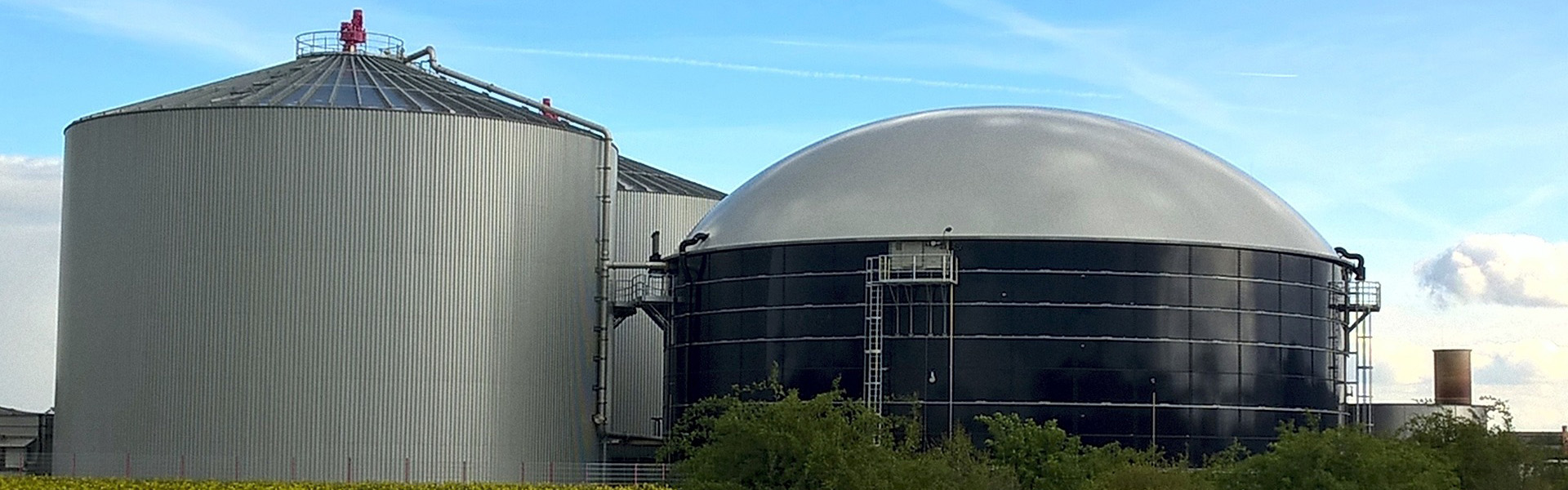
The global shift toward renewable gas has highlighted the importance of utilizing non-food biomass resources. As industries seek to reduce carbon emissions, transitioning from first-generation crop-based systems to second-generation waste-based systems has become a priority. Implementing reliable 2g biomethane solutions allows operators to process complex waste streams like agricultural residues, straw, and municipal waste into pipeline-quality renewable natural gas.
Biogas upgrading is the core process in this transition. Untreated biogas consists of methane, carbon dioxide, water vapor, and various trace impurities. Converting this raw gas into biomethane requires robust equipment capable of handling high levels of contaminants. Industrial manufacturers now offer specialized systems designed to manage these challenging feedstocks efficiently.
Understanding the technical requirements of second-generation processing helps plant operators select the correct upgrading technology. This article examines the key aspects of these systems, the technologies involved, and how to evaluate equipment manufacturers for your project.
What Defines Second-Generation Biomethane Production?
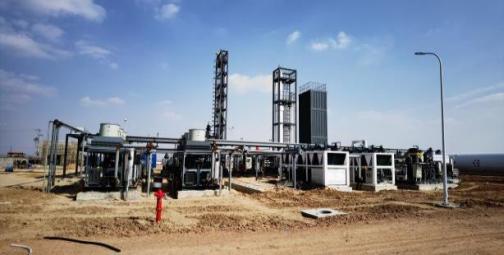
Second-generation (2G) biomethane refers to fuel produced from non-food feedstocks. Unlike first-generation systems that rely on corn or sugarcane, 2G plants utilize lignocellulosic biomass, animal manure, sewage sludge, and organic industrial waste. This approach avoids competition with food production and reduces land-use concerns.
However, processing these feedstocks introduces significant technical challenges. Raw biogas derived from agricultural residues and municipal waste often contains high concentrations of hydrogen sulfide, siloxanes, volatile organic compounds, and nitrogen. These impurities can damage gas upgrading equipment and downstream pipelines if not properly managed.
Consequently, 2g biomethane solutions must incorporate advanced pre-treatment stages. These stages typically include biological desulfurization, active carbon filtration, and gas drying systems. Removing these contaminants early protects the primary gas separation media, ensuring a longer service life and lower maintenance costs.
The chemical composition of the input gas can fluctuate rapidly depending on the feedstock mix. Upgrading systems must therefore be flexible enough to handle variable flow rates and changing methane concentrations without sacrificing product purity or system efficiency.
Key Separation Technologies in Modern Upgrading Plants
Several technologies are used to separate carbon dioxide from methane to produce biomethane. The choice of technology depends on gas volume, impurity levels, utility costs, and local grid requirements.
Membrane separation is widely used in modern installations. This method relies on polymeric membranes that allow carbon dioxide and water molecules to pass through while retaining methane. It is a dry process that requires no chemicals or water, making it relatively simple to operate and maintain. Many suppliers of 2g biomethane solutions offer multi-stage membrane systems to achieve methane purity levels exceeding 97%.
Pressure Swing Adsorption is another established method. It uses adsorbent materials, such as carbon molecular sieves, to trap carbon dioxide under high pressure. When the pressure is reduced, the carbon dioxide is released, regenerating the adsorbent material. This technology is highly effective at removing nitrogen and oxygen, which are common in landfill gas and certain municipal waste digestates.
Chemical scrubbing, often using amine solvents, is highly efficient at removing carbon dioxide with minimal methane loss. The chemical reaction between the amine solution and carbon dioxide ensures a high level of gas purity, often exceeding 99%. However, this process requires thermal energy to regenerate the solvent, which must be factored into the overall operating costs of the plant.
Integrating 2g biomethane solutions into Existing Infrastructure
Retrofitting existing biogas plants is a common path for operators looking to upgrade their facilities. Many older plants were designed solely for electricity generation using combined heat and power units. Upgrading these plants to produce biomethane allows operators to access natural gas grids or fuel markets.
Integration requires careful assessment of the existing gas cleaning and compression infrastructure. The upgrading system must interface with the current anaerobic digesters, gas storage bags, and flare systems. Properly integrating 2g biomethane solutions ensures that gas pressure and quality remain consistent throughout the process.
Control systems play an important role in this integration. Modern upgrading plants utilize programmable logic controllers and continuous gas analyzers to monitor methane slip, carbon dioxide levels, and oxygen content. If the biomethane does not meet the specified grid requirements, the system automatically diverts the gas back to the digester or to a flare.
Heat recovery is another factor during integration. Technologies like chemical scrubbing generate waste heat, while others require thermal energy. Utilizing waste heat from the upgrading process to warm the anaerobic digesters can improve the overall energy efficiency of the entire facility.
Addressing Methane Slip and Environmental Standards
Methane slip refers to the small percentage of methane that escapes during the separation process and is vented along with the carbon dioxide. Because methane is a potent greenhouse gas, minimizing this slip is critical to maintaining the environmental benefits of biomethane production.
Well-engineered 2g biomethane solutions aim to keep methane slip below 1%, and in some cases, below 0.5%. Membrane systems often recycle the permeate gas back through the system to capture residual methane. This approach maximizes gas yield while minimizing emissions.
For systems with higher slip rates, regenerative thermal oxidizers can be installed to burn the residual methane in the off-gas stream. While this adds to the capital expenditure, it ensures compliance with strict environmental regulations regarding greenhouse gas emissions.
In addition to environmental compliance, reducing methane slip directly impacts the financial viability of the project. Every cubic meter of methane lost to the atmosphere represents lost revenue. Therefore, investing in high-efficiency separation systems yields long-term economic benefits.
Selecting the Right Biogas Upgrading Equipment Manufacturer
Choosing an equipment manufacturer is a critical decision that influences the long-term reliability of a biogas project. Because 2G feedstocks are complex, standard off-the-shelf equipment may not provide stable performance over time.
Look for manufacturers with documented experience in handling waste-based feedstocks. A supplier should be able to provide references for projects operating under similar conditions, such as processing agricultural straw or municipal organic waste. Technical competence in pre-treatment design is often more important than the separation technology itself.
Evaluate the manufacturer’s capability to offer customized engineering. Every biogas site has unique constraints regarding space, utility availability, and local grid standards. A manufacturer should be willing to adapt their standard layouts to fit these specific project requirements.
After-sales support and spare parts availability are also vital. Upgrading plants operate continuously, and unscheduled downtime can lead to significant financial losses. Ensure the manufacturer offers reliable remote monitoring services, prompt field support, and a readily accessible inventory of critical spare parts.
Operational Challenges and Maintenance in 2G Plants
Operating a second-generation biomethane plant requires diligent maintenance practices due to the demanding nature of the feedstocks. The presence of particulates and volatile organic compounds can foul membranes, degrade solvents, and wear down compressor seals.
Regular monitoring of filter elements is necessary to prevent pressure drops and maintain optimal gas flow. In membrane systems, oil aerosols from compressors can coat the membrane fibers, permanently reducing their separation efficiency. High-quality coalescing filters must be maintained according to the manufacturer's specifications.
Chemical scrubbers require periodic monitoring of the solvent quality. Over time, impurities can react with the amine solution, forming heat-stable salts that reduce carbon dioxide absorption capacity. Reclaiming or replacing the solvent is necessary to maintain system performance.
Training plant operators to understand the relationship between digester health, gas composition, and upgrading performance is highly beneficial. Early detection of rising hydrogen sulfide levels, for instance, allows operators to replace active carbon media before the gas reaches the primary separation stage, protecting valuable components.
The Future Landscape of Waste-to-Energy and Grid Injection
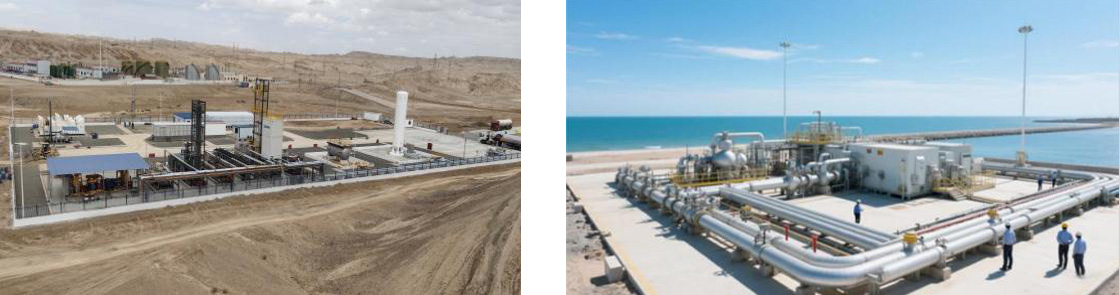
The demand for biomethane is expected to grow as national policies mandate the decarbonization of gas networks. Biomethane can be injected directly into existing natural gas pipelines, used as a transport fuel in the form of compressed natural gas, or liquefied into bio-LNG for heavy transport and shipping.
Furthermore, the carbon dioxide separated during the upgrading process is increasingly viewed as a valuable byproduct rather than waste. Purifying and liquefying this biogenic carbon dioxide allows it to be used in the food and beverage industry, greenhouse fertilization, or as a feedstock for synthetic fuel production.
As technology matures, the cost of processing challenging feedstocks is likely to decrease. Continued research into membrane materials and solvent chemistry will make 2g biomethane solutions more accessible to medium-sized agricultural and industrial operations worldwide.
Investing in flexible and scalable upgrading equipment today ensures that plant operators remain competitive as fuel standards and grid injection requirements evolve over the coming decades.
Transitioning to second-generation biomethane production represents a practical pathway for agricultural and industrial sectors to contribute to the circular economy. By converting non-food waste streams into high-purity biomethane, operators can reduce carbon footprints while generating a reliable source of renewable energy.
Achieving this transition requires robust, well-engineered gas upgrading systems capable of handling variable gas qualities and complex impurities. Selecting the appropriate separation technology and partnering with an experienced equipment manufacturer are essential steps in ensuring long-term operational success.
As regulatory frameworks tighten and the demand for renewable gas increases, deploying efficient 2g biomethane solutions will play a role in meeting global energy and environmental targets. Proper planning, robust pre-treatment, and diligent maintenance remain the pillars of sustainable biomethane production.
Frequently Asked Questions (FAQ)
Q1: What is the main difference between first-generation and second-generation biomethane?
A1: First-generation biomethane is produced from food crops like corn, wheat, or sugar beet. Second-generation biomethane utilizes non-food organic waste, such as agricultural residues, animal manure, sewage sludge, and municipal organic waste, which does not compete with food production.
Q2: Why is gas pre-treatment so critical for 2G biomethane systems?
A2: 2G feedstocks often yield biogas with higher levels of impurities like hydrogen sulfide, siloxanes, and volatile organic compounds. Pre-treatment is necessary to remove these contaminants before the gas reaches the main separation membranes or solvents, preventing equipment damage and ensuring consistent biomethane purity.
Q3: How does membrane separation work in biomethane upgrading?
A3: Membrane separation uses specialized polymeric fibers that act as a barrier. Carbon dioxide, water vapor, and oxygen pass through the membrane walls faster than methane under pressure. This allows high-purity methane to be collected at the end of the membrane module while other gases are vented or processed.
Q4: Can biomethane produced from 2G solutions be injected into the existing natural gas grid?
A4: Yes, provided the upgrading system purifies the gas to meet the local grid injection standards. This typically requires a methane content of 96% to 99%, low oxygen and nitrogen levels, and the removal of water vapor and hydrogen sulfide to trace levels.
Q5: What can be done with the carbon dioxide separated during the upgrading process?
A5: The separated carbon dioxide can be vented safely if emissions limits are met, but it can also be captured, purified, and liquefied. This biogenic carbon dioxide can then be sold to the food and beverage industry, used in commercial greenhouses, or utilized in industrial applications, creating an additional revenue stream.