


News
We'll get back to you as soon as possible.
6 Critical Systems Inside a Commercial Compressed Bio Gas Plant
The global transition toward renewable energy has highlighted biomethane as a practical alternative to fossil fuels. Converting organic waste into high-purity vehicle fuel or pipeline-grade gas requires specialized industrial systems. Implementing a robust compressed bio gas plant involves sophisticated gas purification, compression, and monitoring technologies designed to handle variable raw biogas feedstocks.
To achieve the necessary gas purity standards, raw biogas must undergo multiple treatment stages. Raw biogas naturally contains impurities such as carbon dioxide, hydrogen sulfide, moisture, and siloxanes. Removing these components is essential to protect machinery from corrosion and ensure the final product meets local regulatory specifications.
Experienced engineering teams focus on optimizing each phase of the purification process. By integrating reliable machinery, a commercial compressed bio gas plant can run continuously, minimizing downtime and maximizing the return on investment for agricultural and municipal waste projects.
1. Raw Biogas Pre-Treatment and Cleaning Systems
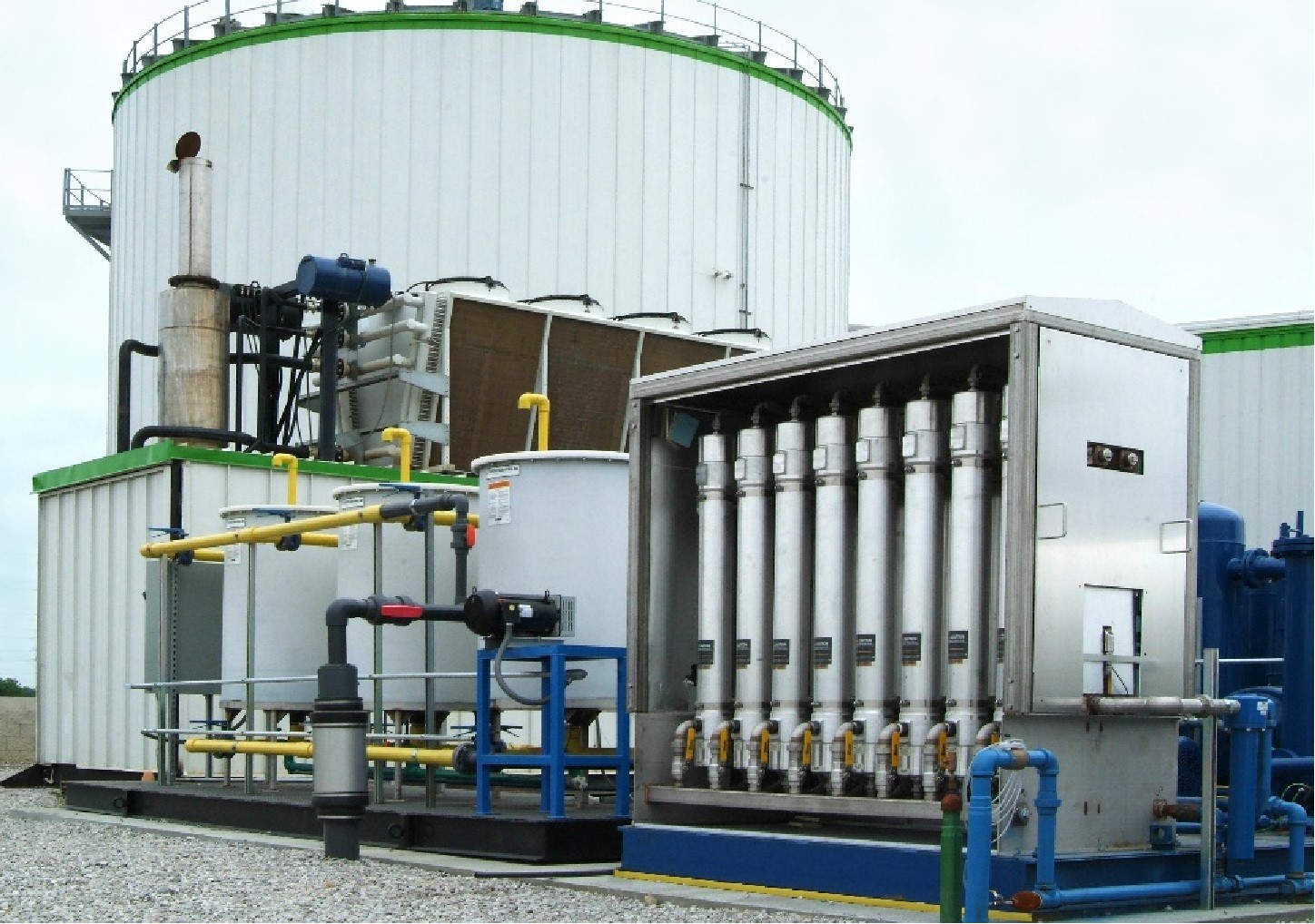
The first critical step in any compressed bio gas plant is the removal of harmful impurities from the raw biogas. Raw biogas typically consists of 50% to 65% methane, with the remainder being carbon dioxide and trace contaminants. Among these contaminants, hydrogen sulfide is highly corrosive to compressors and piping networks.
Biological desulfurization, chemical scrubbing, or dry media filters are commonly utilized to reduce hydrogen sulfide levels. These systems reduce H2S concentrations from several thousand parts per million down to single-digit levels, protecting downstream upgrading equipment from acid formation and wear.
Moisture removal is another essential component of the pre-treatment stage. Raw biogas leaving the anaerobic digester is saturated with water vapor. Gas chillers and condensation separators are installed to lower the gas temperature, allowing water to condense and be drained safely from the process flow.
Siloxanes, which are commonly found in landfill gas and municipal wastewater biogas, must also be removed. If left untreated, siloxanes deposit silicon dioxide inside combustion engines and compressors, leading to premature mechanical failure. Activated carbon filters are generally used to adsorb these compounds effectively.
2. Advanced Biogas Upgrading Technologies
Once the biogas is cleaned of corrosive elements, the carbon dioxide must be separated from the methane. This process, known as biogas upgrading, increases the methane concentration to over 96%, transforming raw biogas into biomethane suitable for compression.
Membrane separation is widely adopted in modern installations due to its operational simplicity and high efficiency. Polymeric membranes allow carbon dioxide and moisture molecules to pass through while retaining methane molecules. This method requires minimal water or chemical consumption, making it a sustainable choice.
Pressure Swing Adsorption (PSA) is another established technology used in a compressed bio gas plant. PSA systems utilize adsorbent materials, such as carbon molecular sieves, to trap carbon dioxide under high pressure. When the pressure is released, the impurities are desorbed, leaving behind high-purity methane.
Water scrubbing and chemical amine wash systems are also utilized depending on the specific capacity and feedstock of the project. Amine systems offer high methane recovery rates with minimal methane loss, although they generally require steam or heat energy for chemical regeneration.
3. Key Equipment Selection for Your compressed bio gas plant
Selecting the appropriate upgrading and compression hardware determines the overall efficiency of the facility. The main upgrading unit must be sized accurately to handle the maximum gas flow from the anaerobic digesters. Oversizing or undersizing this equipment can lead to operational instability and increased energy consumption.
The system relies heavily on robust compressors to step up the pressure of the upgraded biomethane. These compressors must be designed specifically for explosive gas environments, featuring reliable seals to prevent gas leaks. Choosing premium valves, heat exchangers, and filtration elements prevents unexpected shutdowns.
Modern plant designs integrate automated control panels to manage the entire process. Programmable Logic Controllers (PLCs) continuously monitor flow rates, pressure levels, and gas composition at various points. This level of automation ensures that any deviation in gas quality immediately triggers safety protocols, diverting off-spec gas back to the digester or flare.
4. High-Pressure Compression and Storage Engineering
After the upgrading process, the biomethane must be pressurized to make it suitable for transport or vehicle fueling. Multi-stage reciprocating compressors are typically employed to raise the pressure of the biomethane to between 200 and 250 bar.
During the compression cycle, the temperature of the gas rises significantly. Intercoolers and aftercoolers are integrated into the compressor package to reduce the gas temperature between stages. This step prevents thermal damage to the compressor components and ensures safe storage conditions.
High-pressure storage cascades are utilized to manage supply and demand fluctuations. These storage systems usually consist of seamless steel cylinder cascades or composite tanks. They are organized into low, medium, and high-pressure banks to optimize the refueling speed of transport trucks or local vehicles.
Dispensing units installed at the facility must comply with international safety standards. These dispensers incorporate mass flow meters to accurately measure the transferred gas, along with breakaway couplings to prevent accidents during vehicle refueling operations.
5. System Automation, Monitoring, and Safety Standards
Operating a high-pressure gas facility requires strict adherence to international safety protocols. Gas detection systems are installed throughout the compressed bio gas plant to identify any potential methane or hydrogen sulfide leaks. Optical and catalytic sensors provide real-time alerts to the central control room.
Continuous gas analyzers are integrated into the final stage of production. These instruments measure the methane, oxygen, carbon dioxide, nitrogen, and moisture content of the compressed gas before it enters the storage tanks. If the gas composition fails to meet local grid or vehicle fuel standards, the system automatically shuts down delivery valves.
Emergency Shutdown (ESD) valves are strategically placed to isolate different sections of the facility. In the event of a power failure, fire, or pressure spike, these pneumatic valves close instantly to contain the high-pressure gas, preventing minor incidents from escalating.
Remote monitoring capabilities allow engineering teams to track key performance indicators from off-site locations. Real-time data access helps maintenance teams diagnose potential issues early, schedule preventive maintenance, and order replacement parts without interrupting daily operations.
6. Economic and Environmental Benefits of CBG Projects
Investing in an industrial-scale bio gas facility offers both environmental advantages and steady economic returns. By capturing organic waste from agricultural, municipal, or industrial sources, these facilities prevent uncontrolled methane emissions from entering the atmosphere.
The organic digestate produced during the anaerobic digestion process serves as a secondary revenue stream. This nutrient-rich byproduct can be processed into organic fertilizer, reducing the agricultural sector's reliance on chemical alternatives and improving soil health.
From an economic perspective, compressed biomethane provides a localized fuel source that reduces dependence on imported fossil fuels. Many regions offer financial incentives, carbon credits, or feed-in tariffs for biomethane production, helping project developers offset initial capital expenditures.
As transportation fleets look for practical ways to lower their carbon footprint, compressed biomethane represents a drop-in replacement for traditional compressed natural gas (CNG). This compatibility allows fleet operators to use existing vehicle technology and fueling infrastructure without costly modifications.
Building a reliable and profitable renewable gas facility requires careful planning, robust engineering, and high-quality equipment. Each stage of the process, from initial pre-treatment to final high-pressure compression, must work in harmony to handle feedstocks that vary in quality and volume.
By implementing advanced upgrading systems and heavy-duty compression units, operators can ensure that their final product meets strict gas grid and vehicle fuel regulations. Regular maintenance, automated safety controls, and continuous monitoring remain key factors in achieving long-term operational success.
For project developers and waste management companies, partnering with experienced equipment manufacturers is crucial. Investing in a well-engineered compressed bio gas plant provides a practical pathway to turn organic waste into clean energy, supporting the global transition to a circular economy.
Frequently Asked Questions
Q1: What are the primary raw materials used in a compressed bio gas plant?
A1: These facilities can process a wide variety of organic waste, including agricultural residues, animal manure, municipal solid waste, food processing waste, and sewage sludge from wastewater treatment facilities.
Q2: How does a compressed bio gas plant differ from a standard power-generating biogas plant?
A2: A standard power plant burns raw biogas in a combined heat and power (CHP) unit to generate electricity. In contrast, a compressed biomethane facility upgrades the gas by removing carbon dioxide and other impurities, compressing the methane to high pressures for use as a vehicle fuel or for injection into the natural gas grid.
Q3: Why is moisture removal critical before the gas upgrading stage?
A3: Water vapor can combine with hydrogen sulfide and carbon dioxide to form acidic compounds that corrode pipes, valves, and compressors. Removing moisture protects the upgrading membranes or adsorbents and prevents water condensation in high-pressure storage cylinders.
Q4: What pressure level is typically required for compressed biomethane storage?
A4: For use as a vehicle fuel or for efficient bulk transportation, the biomethane is generally compressed to a pressure between 200 bar and 250 bar (approximately 2,900 to 3,600 psi) using multi-stage compressors.
Q5: Can compressed biomethane be mixed directly with conventional natural gas?
A5: Yes, once the raw biogas is upgraded to meet the required purity standards (typically exceeding 96% to 98% methane, depending on local regulations), it is chemically identical to natural gas and can be mixed directly into existing pipeline networks.