


News
We'll get back to you as soon as possible.
6 Key Considerations for Processing and Upgrading CBG Biogas to Grid Standards
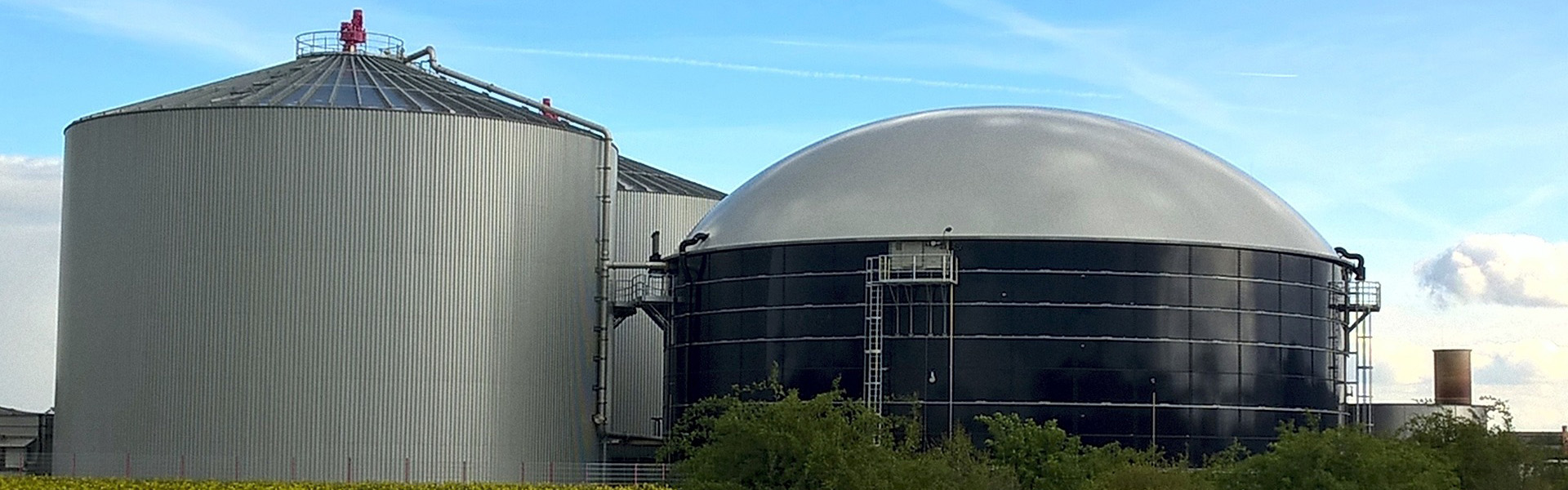
Global industrial energy markets are steadily shifting toward local, renewable alternatives to reduce carbon dependency. Among these alternatives, the extraction of energy from organic waste represents a highly practical pathway. Raw biogas, produced through anaerobic digestion of agricultural waste, municipal solids, and wastewater sludge, contains a mix of methane, carbon dioxide, and various trace contaminants.
To make this raw gas suitable for vehicle fuel or grid injection, upgrading is required to increase the methane content. This processed fuel, known globally as cbg biogas (compressed biogas), serves as a direct replacement for fossil-based natural gas. Achieving the necessary purity requires a clear understanding of the upgrading process and the equipment involved.
For plant operators and project developers, selecting the right processing setup is a balance of capital expenditure, operating costs, and raw gas composition. This article discusses the fundamental aspects of upgrading systems, highlighting the technical considerations necessary to establish a reliable production facility.
1. Understanding the Composition of Raw Biogas
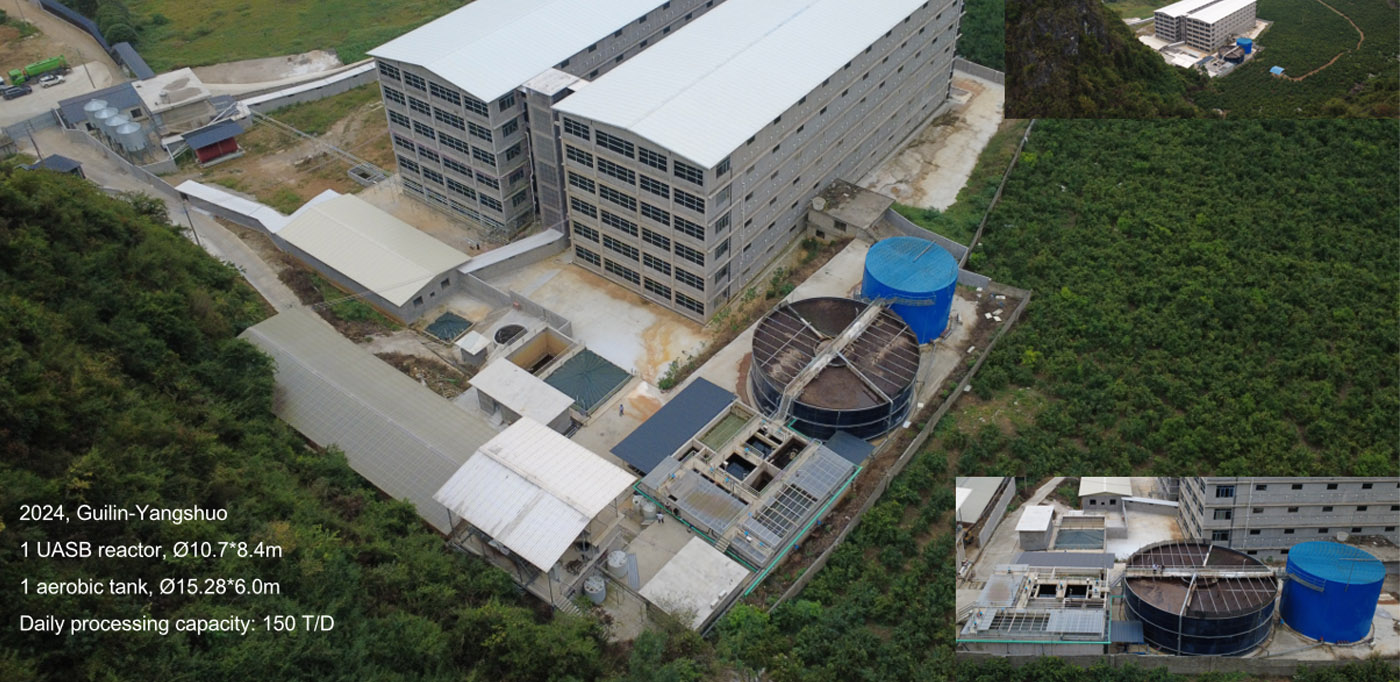
Before designing or choosing an upgrading system, a thorough analysis of the feedstock and the resulting raw biogas is essential. Raw biogas typically consists of 50% to 70% methane and 30% to 50% carbon dioxide. It also contains minor amounts of nitrogen, oxygen, water vapor, hydrogen sulfide, and siloxanes.
The exact proportions of these gases depend directly on the organic materials fed into the anaerobic digester. For instance, municipal waste often yields higher levels of siloxanes, while agricultural manure can result in high concentrations of hydrogen sulfide. Each of these components behaves differently under pressure and temperature changes.
Failing to analyze these variations can lead to rapid equipment wear or system failure. Biogas upgrading equipment must be configured to handle the specific input profile of your facility. This initial step ensures that downstream components are protected from corrosive substances and physical damage.
2. Prioritizing Pre-Treatment and Contaminant Removal
Upgrading raw gas to high-purity cbg biogas cannot be accomplished in a single step. Pre-treatment is necessary to protect the sensitive membranes or solvents used in the carbon dioxide separation phase. The primary focus during pre-treatment is the removal of water, hydrogen sulfide, and volatile organic compounds.
Hydrogen sulfide is highly corrosive when combined with moisture, forming acids that attack piping, compressors, and storage vessels. Media such as iron oxide woodchips or activated carbon are commonly used to capture hydrogen sulfide early in the process. Biological desulfurization within the digester headspace is another method used to lower initial sulfur levels.
Moisture removal is achieved through cooling and condensation. By lowering the temperature of the gas, water vapor condenses and can be drained from the system. This step is critical because liquid water can damage compressors and interfere with the adsorption processes used later in the cycle.
3. Comparing Primary Technologies for Producing cbg biogas
Once the raw gas is clean and dry, the carbon dioxide must be separated from the methane. Several commercial technologies exist for this stage, each with specific operating profiles. The choice of technology impacts the overall footprint, power consumption, and methane recovery rate of the upgrading plant.
Membrane separation is widely utilized due to its dry operation and simplicity. This method uses polymer membranes that allow carbon dioxide, moisture, and oxygen to pass through while keeping the methane under pressure. Membrane systems are modular, allowing operators to expand capacity as gas production increases.
Pressure Swing Adsorption (PSA) is another established method. It utilizes adsorbent materials, such as carbon molecular sieves, to attract and hold carbon dioxide molecules under high pressure. When the pressure is released, the carbon dioxide is desorbed, regenerating the material for the next cycle. PSA systems are robust and do not require chemical consumables.
Water scrubbing and chemical scrubbing are liquid-based separation methods. Water scrubbing dissolves carbon dioxide under pressure, while chemical scrubbing uses amines to bind with the carbon dioxide chemically. Chemical scrubbing offers high methane purity and minimal methane loss, but it requires thermal energy to regenerate the amine solution.
4. Managing System Efficiency and Utility Consumption
The operational cost of an upgrading plant is heavily influenced by its utility consumption. Compressors are the largest consumers of electricity in these systems. Whether pushing gas through membranes or compressing it into storage cylinders, energy efficiency directly impacts the financial viability of the project.
When evaluating upgrading machinery, it is important to calculate the specific energy consumption, typically measured in kilowatt-hours per normal cubic meter of raw gas processed. Systems that operate at lower pressures generally consume less power, but they may require larger physical footprints or more complex multi-stage compression later.
Heat integration is another factor to consider. For example, chemical scrubbing systems produce waste heat during the cooling phases, but they also require heat to regenerate the amine solvent. Utilizing waste heat from an on-site combined heat and power unit can offset these thermal demands and lower overall operational expenses.
5. Addressing Safety and Regulatory Compliance in Plant Design
Handling pressurized methane requires strict adherence to international safety standards and local regulations. Methane is flammable within a specific concentration range in air, making leak detection and ventilation top priorities in plant design. Classifications for hazardous areas must be defined for all equipment installations.
Classified areas require explosion-proof electrical components, non-sparking fans, and robust grounding systems to prevent static discharge. Pressure relief valves must be piped to safe vent stacks, and automated shutdown valves should be installed to isolate sections of the plant in the event of a pressure drop or gas leak.
In addition to safety, the output gas must meet specific regional standards before it can be injected into the utility grid or used as vehicle fuel. These standards define the allowable limits for carbon dioxide, oxygen, nitrogen, and hydrogen sulfide, as well as the hydrocarbon dew point of the final compressed product.
6. Evaluating the Long-Term Investment of Upgrading Systems
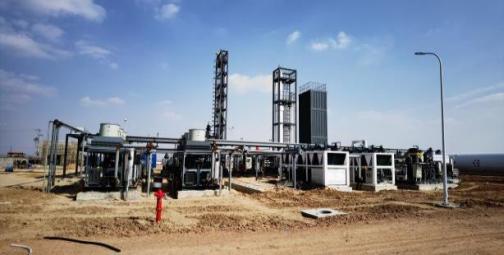
Investing in biogas upgrading equipment involves analyzing both initial capital costs and long-term operating expenses. While a system with a lower purchase price may seem attractive, high utility consumption or frequent maintenance requirements can quickly erode those initial savings over a ten-year operating life.
Maintenance intervals for consumables, such as activated carbon, compressor oil, and membrane elements, must be factored into the economic model. Downtime for maintenance reduces the volume of gas sold, making reliability a key component of the overall return on investment.
Working with experienced equipment manufacturers who offer comprehensive service agreements can help mitigate these operational risks. Properly maintained equipment ensures stable gas quality and consistent output, allowing operators to meet supply contracts and maintain regulatory compliance over the long term.
Upgrading raw organic gas into vehicle-grade fuel requires a systematic approach to contaminant removal, carbon dioxide separation, and system compression. By understanding the feedstock, selecting the appropriate separation technology, and focusing on energy efficiency, operators can establish a stable and economically viable production process.
Developing a successful project relies on selecting robust equipment tailored to the specific demands of your site. Utilizing modern upgrading technologies enables the reliable production of high-quality cbg biogas, helping municipal and agricultural operations turn waste streams into valuable energy assets.
Frequently Asked Questions
Q1: What is the typical methane purity required for CBG biogas to be injected into the natural gas grid?
A1: Most natural gas grids require a methane concentration between 95% and 99%, depending on regional standards. The system must also reduce carbon dioxide levels to below 2% to 3% and keep oxygen and nitrogen within strict minimum limits to maintain the heating value of the gas.
Q2: How often do the membranes in a biogas upgrading plant need to be replaced?
A2: Under normal operating conditions with proper pre-treatment, high-quality polymer membranes can last between 5 and 10 years. Ensuring that the gas entering the membranes is completely dry and free of volatile organic compounds and hydrogen sulfide is critical to achieving this lifespan.
Q3: Can a biogas upgrading system handle fluctuations in raw gas flow from the digester?
A3: Yes, modern upgrading systems are designed with variable capacity controls, such as frequency-controlled compressors and buffer storage tanks. This allows the system to scale its operation up or down to match the output of the anaerobic digester without sacrificing gas quality.
Q4: What happens to the carbon dioxide that is separated during the upgrading process?
A4: In many installations, the separated carbon dioxide is vented safely to the atmosphere since it is biogenic. However, an increasing number of plants are installing CO2 recovery systems to clean, liquefy, and sell this gas to food, beverage, or greenhouse industries, creating an additional revenue stream.
Q5: Why is moisture removal so important before the compression stage?
A5: Moisture must be removed because liquid water can cause mechanical damage to high-pressure compressors through liquid slugging. Furthermore, water can combine with remaining trace gases to form corrosive acids, and it can cause condensation or freezing issues in downstream storage cylinders.