


News
We'll get back to you as soon as possible.
How to Design and Operate a Biomethane Plant: Technical and Economic Realities
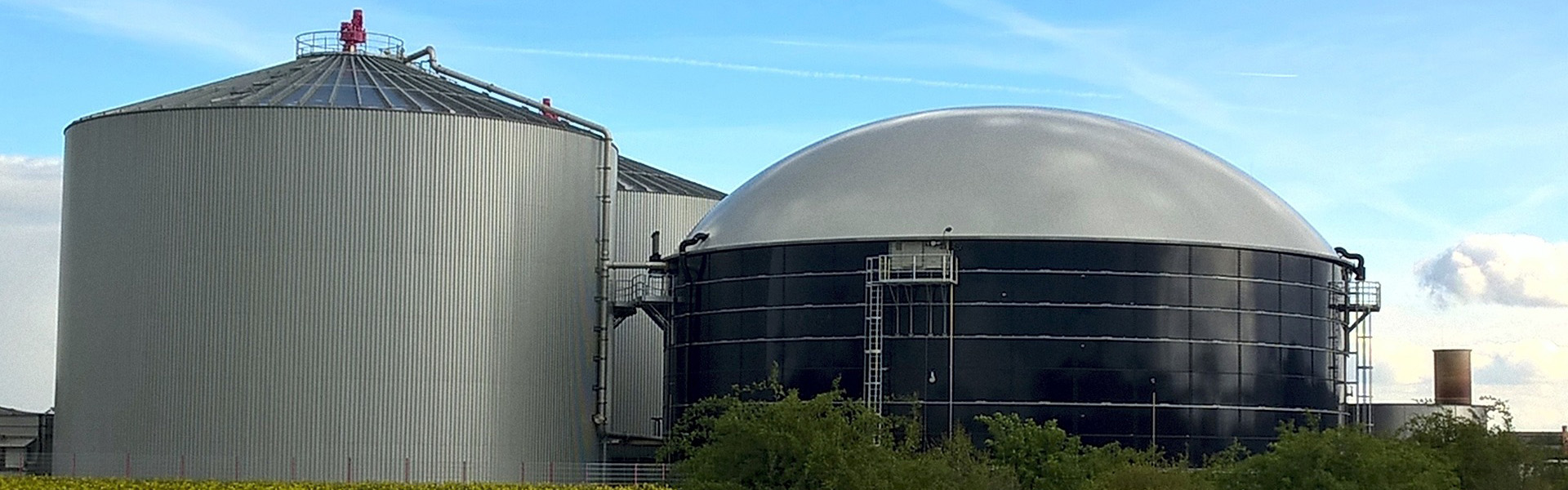
The transition from fossil-based energy sources to renewable alternatives has driven significant interest in anaerobic digestion. While raw biogas has historically been used for local heat and power generation, upgrading this gas to pipeline-quality biomethane offers greater flexibility. A modern biomethane plant serves as the bridge between raw agricultural or industrial waste and the existing natural gas infrastructure.
In this article, we examine the practical engineering decisions, processing steps, and economic factors involved in setting up and operating these facilities. By focusing on established upgrading technologies and operational challenges, project developers can better understand how to optimize their biogas upgrading assets.
To successfully integrate these systems, operators must balance capital expenditure with long-term operational costs. Selecting the right technology depends heavily on local feedstocks, utility costs, and local grid injection standards.
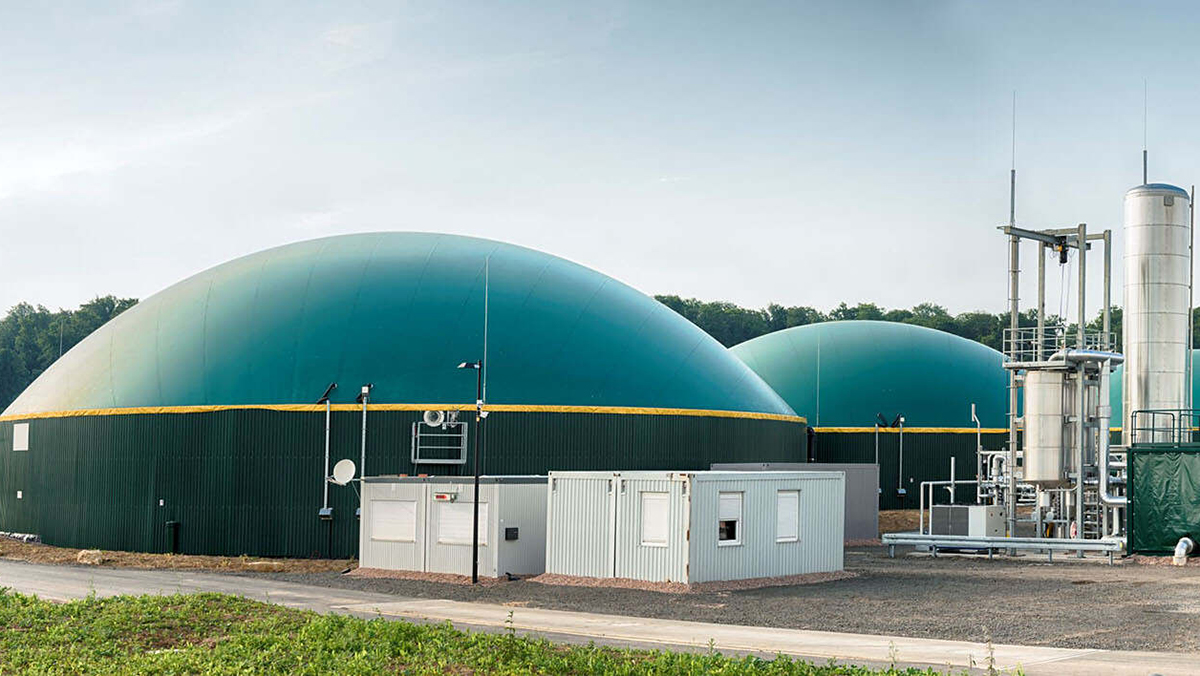
Key Equipment Configurations in a Modern biomethane plant
The primary objective of biogas upgrading is the removal of carbon dioxide (CO2) from the methane (CH4) stream. Raw biogas typically consists of 50% to 70% methane, with the remainder being mostly CO2, water vapor, and trace impurities like hydrogen sulfide (H2S). To meet grid specifications, the methane content must usually exceed 97%.
Several commercial technologies are widely utilized to achieve this separation. Membrane separation is currently one of the most common methods. This process relies on polymer fibers that allow CO2, water, and H2S to pass through more rapidly than methane. Membrane systems are favored for their operational simplicity, small footprint, and lack of chemical consumables.
Pressure Swing Adsorption (PSA) is another established alternative. PSA systems utilize adsorbent materials, such as activated carbon or molecular sieves, to capture impurities under high pressure. When the pressure is reduced, the adsorbed gases are released, regenerating the material. This method is highly effective but requires careful pressure management and particulate filtration to prevent adsorbent contamination.
Water scrubbing and chemical scrubbing are liquid-based absorption methods. Water scrubbing dissolves CO2 under pressure, utilizing the higher solubility of CO2 in water compared to methane. Chemical scrubbing uses organic amines to bind chemically with CO2. While amine scrubbers achieve high methane recovery rates with very low methane slip, they require significant thermal energy to regenerate the chemical solvent.
Feedstock Selection and Pre-Treatment Strategies
The performance of any upgrading system depends directly on the quality of the incoming biogas. Raw biogas contains compounds that can damage upgrading equipment, degrade membranes, or poison chemical solvents. Therefore, robust pre-treatment is necessary before the gas enters the primary separation unit.
Hydrogen sulfide is particularly problematic due to its corrosive nature. Even in low concentrations, H2S can damage compressors and piping. Biogas facilities typically use biological desulfurization inside the digester or external chemical filters, such as iron oxide beds, to reduce H2S levels to acceptable limits prior to upgrading.
Siloxanes, which are commonly found in biogas derived from landfills and wastewater treatment plants, present another major challenge. When burned, siloxanes form silicon dioxide deposits that damage gas engines and valves. Activated carbon filters are generally deployed to adsorb siloxanes and volatile organic compounds (VOCs) before the gas reaches the membrane or PSA stages.
Moisture removal is also critical. Raw biogas is fully saturated with water vapor as it leaves the digester. Cooling the gas to condense water, followed by filtration, prevents liquid water from entering pressure systems where it could cause freezing, corrosion, or blockages.
Evaluating the Economics: CAPEX, OPEX, and Revenue Streams
Developing a greenfield upgrading facility requires substantial capital investment. The initial capital expenditure (CAPEX) is largely driven by the chosen upgrading technology, compressor systems, grid connection infrastructure, and monitoring equipment. Membrane systems often present moderate CAPEX but require planned membrane replacements every few years.
Operational expenditure (OPEX) is heavily influenced by energy consumption. Compressing gas for membrane separation or PSA systems requires significant electricity. Amine scrubbing, while requiring less electrical power for compression, demands a reliable heat source for solvent regeneration, which can often be integrated with waste heat from a nearby combined heat and power (CHP) unit.
Revenue models vary by region. In many countries, injecting biomethane into the national gas grid allows producers to benefit from green gas certificates, feed-in tariffs, or renewable fuel mandates. These policy frameworks are often essential for ensuring the financial viability of the project.
Another emerging revenue stream is the commercial utilization of the separated CO2. If purified to food-grade or industrial-grade standards, the biogenic CO2 can be sold to the food and beverage industry, greenhouses, or chemical manufacturers, improving the overall circular economy profile of the plant.
Operational Challenges and Methane Slip Management
Methane slip refers to the small percentage of methane that escapes with the off-gas stream during the separation process. Because methane is a potent greenhouse gas, minimizing this slip is both an environmental priority and an economic necessity. Even a slip of 1% to 2% can impact the carbon intensity score of the produced fuel.
Membrane systems typically achieve low slip by using multi-stage configurations, where the permeate gas from the first stage is recycled back into the inlet. Amine scrubbers generally offer the lowest methane slip, often keeping losses below 0.1%, as the chemical reaction is highly selective toward CO2.
If the off-gas contains concentration levels of methane that exceed environmental regulatory limits, it must be treated. Regenerative Thermal Oxidizers (RTOs) or catalytic oxidizers are often installed to burn the residual methane in the exhaust gas, converting it to CO2 and water before release into the atmosphere.
Regular maintenance of valves, compressors, and sensors is also critical. Small leaks in high-pressure piping can accumulate over time, leading to safety hazards and lost revenue. Real-time gas chromatography and infrared gas analyzers are standard tools used to monitor gas quality and detect system abnormalities promptly.
Grid Injection Standards and Quality Control
Once raw biogas is upgraded, it must meet strict transmission and distribution grid standards before injection. These standards vary by country and utility provider, covering parameters such as calorific value, relative density, oxygen content, and water dew point.
Because biomethane consists almost entirely of methane, its calorific value can sometimes be lower than that of fossil natural gas, which may contain heavier hydrocarbons like ethane and propane. To match grid specifications, operators may need to inject small amounts of propane into the biomethane stream to adjust the energy density.
Oxygen and nitrogen levels must also be carefully controlled. While small amounts of air are sometimes introduced into digesters for biological desulfurization, excess oxygen can accelerate corrosion in gas pipelines. Gas analyzers at the injection station continuously monitor these parameters, and automatic bypass valves will reject gas that fails to meet the required specifications.
Finally, odorization is required for safety before the gas enters the public distribution network. Tetrahydrothiophene (THT) or mercaptans are typically injected at the grid entry point so that any gas leaks can be easily detected by smell.
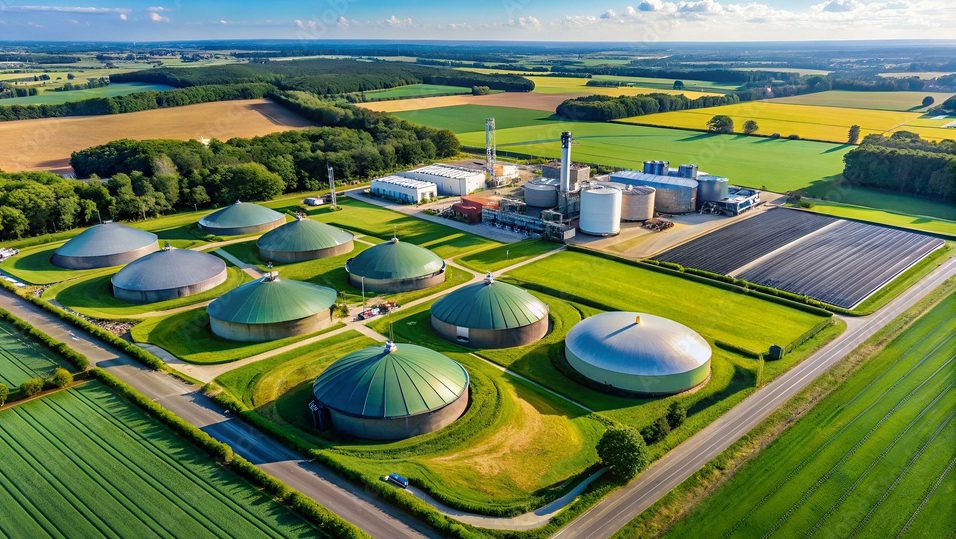
Future Outlook for the Biogas Upgrading Industry
The market for biomethane is expected to expand as industries seek reliable alternatives to fossil natural gas. Heavy transport, shipping, and chemical manufacturing are particularly interested in biomethane as a drop-in fuel that does not require restructuring existing distribution networks or end-user equipment.
Technological developments are currently focused on reducing the energy footprint of upgrading systems. New membrane materials with higher selectivity and permeability are being researched to lower the compression pressures required. Similarly, biological methanation—where green hydrogen is reacted with biogenic CO2 to produce additional methane—is transitioning from pilot projects to commercial scale.
As regulatory frameworks around carbon emissions tighten, the role of a dedicated biomethane plant will likely shift from a simple waste-treatment facility to a core hub of regional renewable energy grids. Practical engineering, steady feedstock supply, and robust maintenance protocols remain the foundation of successful long-term operations.
Frequently Asked Questions
Q1: What is the main difference between a biogas plant and a biomethane plant?
A1: A traditional biogas plant digests organic waste to produce raw biogas, which is typically burned on-site in a combined heat and power (CHP) unit to generate electricity and heat. A biomethane plant includes additional upgrading equipment to remove CO2, H2S, and other impurities, producing high-purity methane that can be injected into the natural gas grid or used as vehicle fuel.
Q2: Which upgrading technology has the lowest energy consumption?
A2: Chemical scrubbing (amine wash) generally has the lowest electrical consumption because it operates at lower pressures compared to membrane or PSA systems. However, it requires a significant amount of thermal energy (heat) to regenerate the chemical solvent. If waste heat is available from a nearby source, chemical scrubbing can be highly energy-efficient.
Q3: How is methane slip managed in modern facilities?
A3: Operators manage methane slip by using multi-stage membrane configurations to recycle off-gas, optimizing the desorption cycles in PSA units, or installing Regenerative Thermal Oxidizers (RTOs). RTOs destroy any residual methane in the exhaust gas by converting it to carbon dioxide and water vapor before venting.
Q4: Can raw biogas be injected directly into the natural gas grid?
A4: No, raw biogas cannot be injected directly. Natural gas grids require high-purity methane (typically above 97%) with strict limits on moisture, carbon dioxide, oxygen, and hydrogen sulfide. Raw biogas contains too much CO2 and corrosive impurities, which would damage grid pipelines and end-user appliances.
Q5: What are the primary feedstocks used for biomethane production?
A5: Biomethane can be produced from a wide variety of organic feedstocks. Common sources include agricultural residues (manure, straw, energy crops), municipal solid waste, food waste from commercial kitchens or food processing industries, and sewage sludge from wastewater treatment plants.