


News
We'll get back to you as soon as possible.
Biogas Upgrading to Biomethane: Technical Methods and Equipment Selection for Commercial Plants
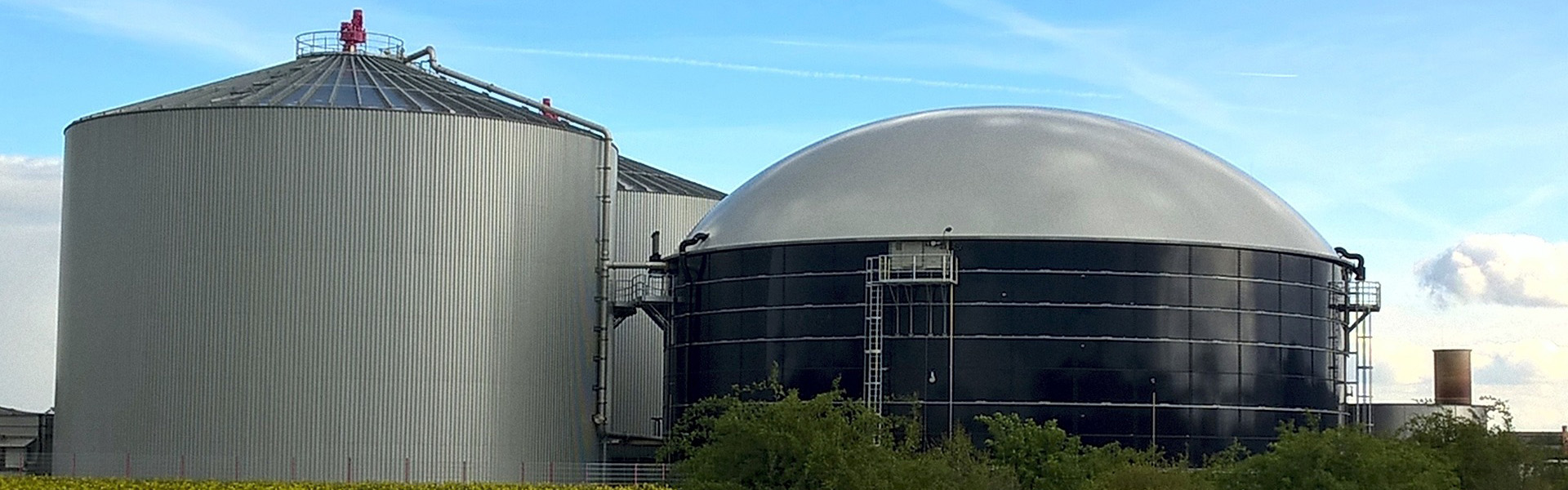
The global transition toward renewable energy has brought organic waste processing to the forefront of industrial development. Raw biogas, primarily generated from anaerobic digestion of agricultural waste, sewage sludge, and organic municipal waste, represents a reliable source of green energy. However, raw biogas contains significant amounts of carbon dioxide and other trace impurities that limit its direct use in existing gas infrastructure.
To utilize this resource effectively, raw gas must undergo a purification process. When evaluating options for renewable gas production, understanding the process of biogas upgrading to biomethane is essential for project developers and plant operators alike. Transforming raw biogas into grid-quality biomethane involves removing carbon dioxide (CO2), hydrogen sulfide (H2S), moisture, and volatile organic compounds (VOCs).
From an industrial perspective, selecting the appropriate upgrading equipment requires an assessment of capital expenditures, operating costs, raw gas composition, and local grid connection regulations. This article examines the leading technologies used by equipment manufacturers worldwide to help operators make informed decisions for their facilities.
The Technical Distinctions Between Biogas and Biomethane
Raw biogas typically consists of 50% to 70% methane (CH4) and 30% to 50% carbon dioxide (CO2), along with small quantities of nitrogen, oxygen, water vapor, and hydrogen sulfide. While raw biogas can be combusted in local combined heat and power (CHP) units, its low energy density and corrosive impurities make it unsuitable for injection into natural gas grids or use as a vehicle fuel.
Biomethane, on the other hand, is a highly concentrated form of methane that meets the strict specifications of natural gas grids. Typically, the methane content must be elevated to over 95%, and in many jurisdictions, over 97% or 98%. The upgrading process focuses on separating the CO2 from the CH4 while minimizing methane loss, often referred to as methane slip.
By removing non-combustible CO2, the calorific value of the gas is increased to match that of fossil natural gas. This allows biomethane to be distributed through existing pipelines, compressed into Bio-CNG, or liquefied into Bio-LNG, offering a versatile alternative to fossil fuels.
Key Technologies in biogas upgrading to biomethane
Industrial manufacturers rely on several distinct physical and chemical separation processes. Each technology offers specific advantages depending on the scale of the operation, utility availability, and feedstock characteristics.
1. Membrane Separation Systems
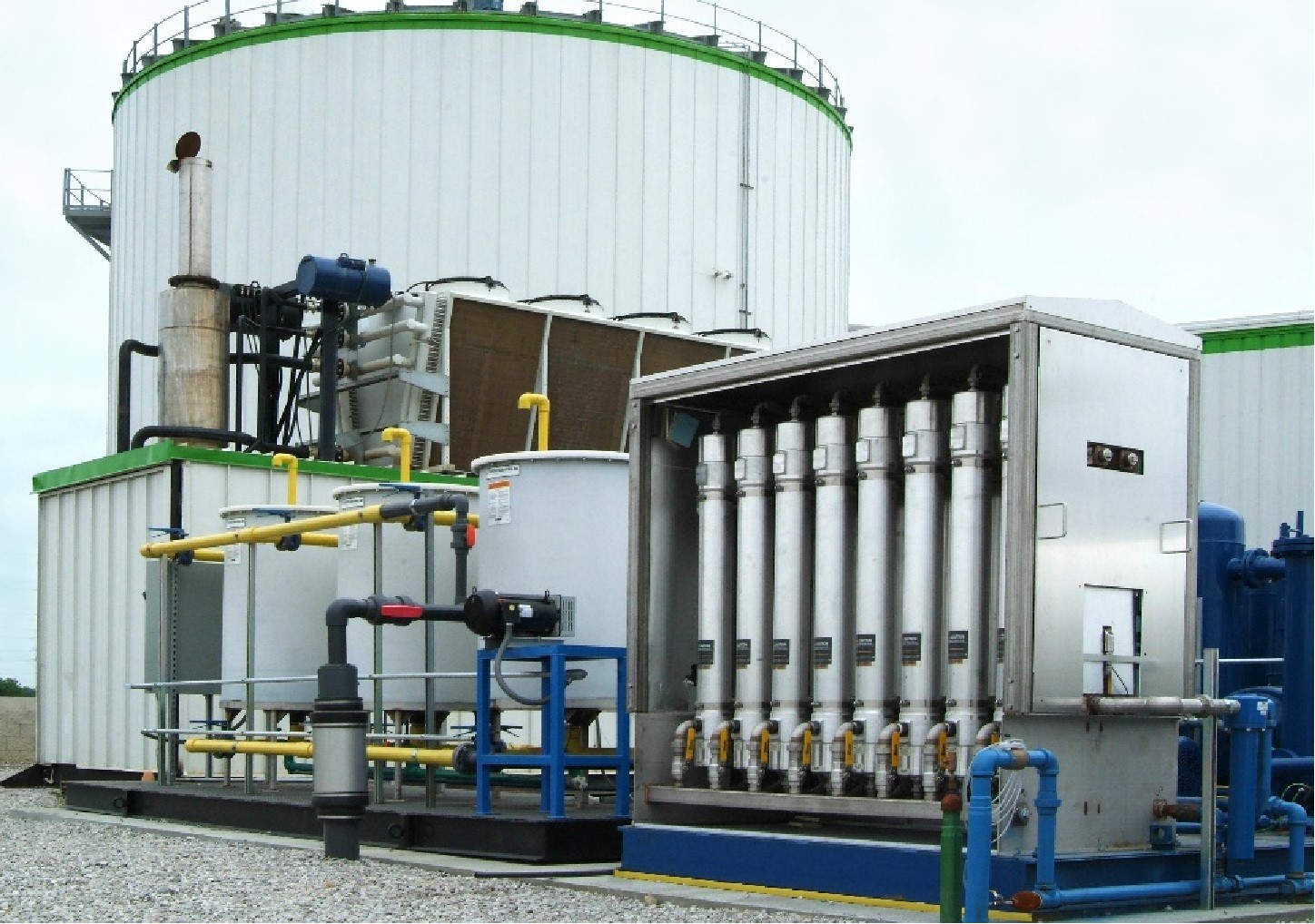
Membrane separation has grown in popularity due to its simplicity, dry operation, and modular design. This technology utilizes polymer hollow-fiber membranes that act as molecular sieves. Because carbon dioxide, water vapor, and hydrogen sulfide molecules are smaller and more polar than methane molecules, they permeate through the membrane walls much faster.
The raw biogas is compressed, typically to pressures between 8 and 16 bar, and passed through multiple membrane stages. The methane-rich retentate remains at pressure, while the CO2-rich permeate is vented or captured. Modern three-stage membrane systems can achieve methane purities exceeding 98% with methane slip rates below 0.5% when configured with recycle loops.
A key advantage of membrane plants is their low footprint and the absence of chemical solvents or process water. This makes them highly suitable for decentralized agricultural installations where water supply and chemical handling may present operational challenges.
2. Water Scrubbing (Physical Absorption)
Water scrubbing is a well-established physical absorption process based on Henry's Law. Carbon dioxide is significantly more soluble in water than methane, particularly at low temperatures and high pressures. In a typical water scrubbing column, pressurized raw biogas (typically 6 to 10 bar) is introduced at the bottom, while cold water is sprayed from the top.
As the gas rises through the packed column, the CO2 dissolves into the descending water. The purified methane exits at the top of the column. The water containing dissolved CO2 is then sent to a flash column operating at lower pressure, where the dissolved gas is released, allowing the water to be recycled back to the absorption column.
While water scrubbers are highly reliable and do not require expensive chemical additives, they do demand relatively high electrical consumption for water circulation pumps. They also require effective microbiological control to prevent biofilm formation on the column packing material.
3. Chemical Scrubbing (Amine Wash)
Chemical scrubbing processes utilize liquid chemical solvents, typically aqueous amine solutions such as monoethanolamine (MEA) or methyldiethanolamine (MDI), to bind chemically with carbon dioxide. Unlike physical absorption, chemical scrubbing operates at very low pressures, minimizing the electrical power needed for gas compression.
The chemical reaction between the amine solvent and CO2 is highly selective, resulting in very low methane slip—often below 0.1%. The rich solvent is subsequently heated in a regenerator column to break the chemical bonds, releasing high-purity CO2 and regenerating the amine solution for reuse.
The primary consideration for amine wash systems is the high thermal energy demand required for solvent regeneration. If cheap waste heat from a nearby industrial process or a CHP unit is available, chemical scrubbing can offer competitive operational economics, especially for large-scale plants.
4. Pressure Swing Adsorption (PSA)
Pressure Swing Adsorption (PSA) utilizes solid adsorbent materials, such as activated carbon, zeolites, or carbon molecular sieves, to separate gas mixtures. These materials have pores that selectively adsorb carbon dioxide, moisture, and nitrogen under high pressure, while allowing methane to pass through unhindered.
A PSA system consists of multiple vessels operating in parallel. While one vessel is under high pressure (typically 4 to 8 bar) adsorbing CO2, another vessel is depressurized to release the adsorbed gases, regenerating the media. This cyclic process requires sophisticated control systems to manage valve switching.
PSA systems are robust and capable of removing nitrogen and oxygen along with CO2, which is advantageous when processing landfill gas. However, they generally exhibit slightly higher methane slip compared to amine systems, and the adsorbent media must be protected from volatile organic compounds and moisture carryover.
The Vital Role of Pre-treatment in Equipment Longevity
Regardless of the selected upgrading technology, the raw biogas must undergo comprehensive pre-treatment. Raw biogas contains compounds that can damage upgrading media, poison chemical solvents, or corrode compressor components.
Hydrogen sulfide (H2S) is particularly problematic due to its corrosive nature and toxicity. It is typically removed using biological desulfurization, iron oxide filters, or activated carbon beds. In many designs, a combination of a biological trickling filter for bulk removal and an activated carbon vessel for polishing is utilized.
Moisture removal is also critical. Raw biogas leaving the digester is saturated with water vapor. Cooling the gas to condense water, followed by coalescing filtration, prevents liquid water from blinding membranes or condensing in adsorbent beds. Additionally, specialized carbon filters are required to capture volatile organic compounds (VOCs) and siloxanes, which are commonly found in municipal waste biogas.
Key Metrics for Evaluating Upgrading Equipment
When comparing suppliers and technologies for a biogas upgrading project, project developers should evaluate several key performance indicators (KPIs) to ensure long-term viability.
Methane Recovery Rate: The percentage of methane in the raw biogas that is recovered as biomethane. Higher recovery rates directly translate to increased revenue.
Specific Energy Consumption: The electrical and thermal energy required per normal cubic meter (Nm³) of raw biogas processed. This is a critical factor in calculating daily operating costs.
Consumables and Media Life: The replacement intervals and costs for membranes, chemical solvents, activated carbon, and particulate filters.
Turndown Ratio and Flexibility: The ability of the upgrading system to operate efficiently at reduced flow rates, which is important for plants with seasonal feedstock variations.
Footprint and Modularity: The physical space required and whether the system can be expanded in the future by adding modular units.
Grid Injection and Compression Standards
Once the biogas has been upgraded to biomethane, it must be conditioned to meet local gas grid specifications. Grid operators require strict monitoring of gas quality, including continuous measurement of methane content, oxygen, hydrogen, and carbon dioxide levels.
In addition to purification, the biomethane must be compressed to match the operating pressure of the distribution or transmission pipeline, which can range from 1 bar to over 70 bar. Odorization is also commonly required, adding a distinctive smell to the otherwise odorless biomethane for safety detection.
If grid injection is not feasible due to distance or capacity limitations, the biomethane can be compressed to 200–250 bar to produce Bio-CNG for trucks and buses, or liquefied at -162°C to produce Bio-LNG for heavy-duty transport and maritime applications.
Commercial and Environmental Outlook
The market for biomethane is expanding rapidly, driven by corporate sustainability targets and national mandates to reduce greenhouse gas emissions. Upgraded biomethane represents a drop-in replacement for fossil natural gas, making it one of the most practical pathways to decarbonize heating, heavy transport, and industrial chemical processes.
Furthermore, the high-purity carbon dioxide stream separated during the upgrading process is increasingly viewed as a valuable co-product. Instead of venting the CO2, modern installations are incorporating carbon capture and liquefaction systems. This food-grade or industrial-grade biogenic CO2 can be sold to the food and beverage industry, greenhouses, or utilized in synthetic fuel production, creating an additional revenue stream for plant operators.
As technology continues to mature, manufacturers are focusing on digital integration, remote monitoring, and advanced automation. These developments minimize manual intervention, optimize energy consumption in real-time, and ensure consistent gas quality under varying feedstock conditions.
Deploying a successful biomethane project requires careful alignment between raw gas characteristics, local utility constraints, and technology capabilities. Whether utilizing membrane separation, water scrubbing, amine wash, or pressure swing adsorption, the primary objective remains the same: maximizing methane recovery while maintaining low operational costs.
By investing in high-quality pre-treatment and selecting the appropriate technology for biogas upgrading to biomethane, operators can ensure reliable production, comply with strict grid specifications, and contribute to a circular economy. Working closely with experienced equipment manufacturers during the early planning stages helps mitigate risks and secures the long-term performance of the upgrading facility.
Frequently Asked Questions
Q1: What is the typical methane recovery rate of a modern upgrading system?
A1: Modern upgrading systems, particularly membrane separation and chemical scrubbing, regularly achieve methane recovery rates between 98.5% and 99.9%. This means that less than 1.5% of the methane present in the raw biogas is lost in the exhaust gas stream (methane slip).
Q2: How much electricity does a biogas upgrading plant consume?
A2: Electricity consumption varies by technology. Membrane systems typically require 0.2 to 0.3 kWh per Nm³ of raw biogas processed, mainly for gas compression. Chemical scrubbing requires less electricity (around 0.1 to 0.15 kWh/Nm³) but demands significant thermal energy for solvent regeneration.
Q3: Can carbon dioxide separated during the process be sold commercially?
A3: Yes, the biogenic CO2 separated during the upgrading process is increasingly captured, purified, and liquefied. It can be sold to the beverage industry, agricultural greenhouses, or used in industrial manufacturing, transforming a waste stream into a secondary source of revenue.
Q4: Why is hydrogen sulfide (H2S) removal necessary before upgrading?
A4: Hydrogen sulfide is highly corrosive when combined with moisture, forming acids that can damage compressors, valves, and piping. It can also permanently degrade upgrading membranes, contaminate chemical solvents, and poison catalyst materials in downstream equipment.
Q5: What is the average lifespan of upgrading membranes?
A5: High-quality polymeric membranes used in modern upgrading systems typically have an operational lifespan of 5 to 8 years, provided that the upstream pre-treatment system successfully removes contaminants like VOCs, siloxanes, liquid water, and compressor oil aerosols.