


News
We'll get back to you as soon as possible.
5 Main Variables Influencing Biogas Plant Cost and Upgrading Decisions
Industrial decarbonization and municipal waste treatment systems increasingly rely on anaerobic digestion to convert organic substrates into valuable energy assets. Transitioning raw biogas into grid-compliant biomethane or vehicle-grade compressed natural gas requires a deep understanding of the capital expenditures involved. Evaluating a proposed project demands a comprehensive breakdown of the variables that shape the total initial investment. The total biogas plant cost represents a complex synthesis of civil engineering, biological cultivation systems, and gas purification technology. Deciding on the appropriate system setup involves balancing the physical scale of the processing facility with the purity demands of the local gas grid or end-user applications.
Feedstock Characteristics and Pretreatment Systems
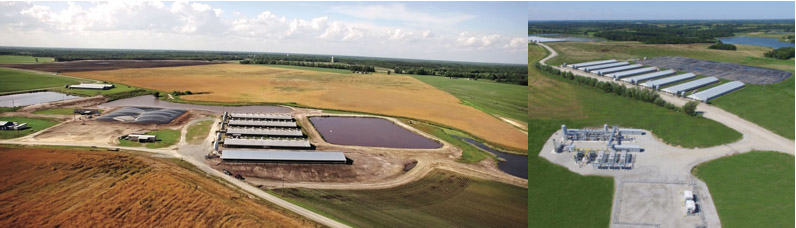
The nature of the organic material intended for processing governs the entire configuration of the receiving and processing facility. Co-digestion of diverse substrates, such as agricultural residues, livestock manure, food processing waste, and municipal sewage sludge, yields different biogas outputs but also demands highly specific handling equipment.
Liquid manures require minimal preparation beyond homogenization pumps and sand removal traps. Conversely, municipal solid waste and packaged food waste require sophisticated mechanical sorting, depackaging, and shredding systems to protect downstream machinery from physical wear.
Introducing high-solid substrates requires specialized feeding systems, such as hopper feeders, progressive cavity pumps, and high-torque macerators. These mechanical components prevent blockages and maintain an optimal organic loading rate within the anaerobic digesters. The inclusion of pasteurization units, particularly when processing animal by-products to meet regional veterinary safety regulations, introduces significant thermal energy demands and capital requirements. Every additional preprocessing step adds to the infrastructure investment, demonstrating how feedstock diversity directly scales the baseline biogas plant cost prior to any biological decomposition taking place.
Anaerobic Digester Engineering and Vessel Selection
The core biological reaction occurs within the digestion vessels, where strict anaerobic conditions must be maintained. Choosing between continuously stirred tank reactors (CSTR), plug flow reactors, and covered lagoons dictates the physical footprint and material requirements of the facility.
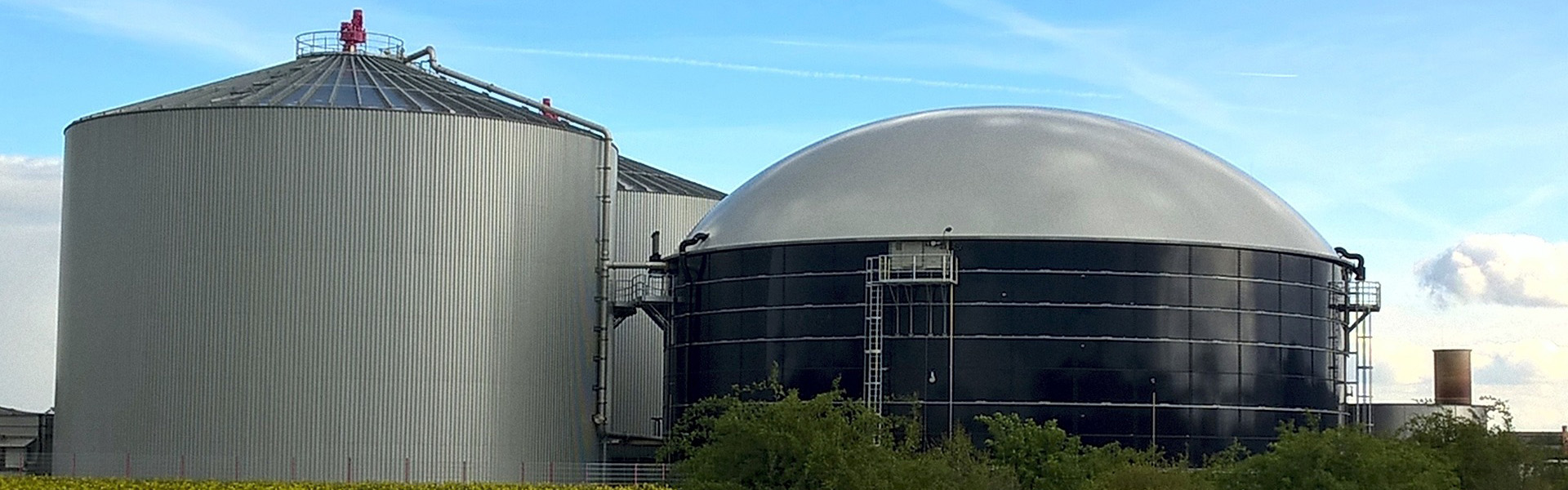
CSTR systems represent the standard for medium-to-low solid substrates, utilizing mechanical or hydraulic agitation to keep the bacterial population in constant contact with fresh nutrients. The construction material of these vessels—typically glass-fused-to-steel or reinforced concrete—presents a primary budgetary decision. Glass-fused-to-steel tanks offer rapid assembly times and high resistance to chemical corrosion, whereas concrete structures provide superior thermal insulation but demand extensive civil engineering work during the initial phase.
Internal heating systems, consisting of stainless steel heat exchangers supplied by hot water loops, are necessary to maintain mesophilic (typically 37-40°C) or thermophilic (typically 50-55°C) temperature profiles. Precise temperature control prevents biological shock and ensures stable biogas yields. The scale of these heating networks, combined with gas-tight double-membrane roofs designed for temporary gas storage, contributes heavily to the structural expenditures of the digestion unit, influencing the general biogas plant cost configuration.
Gas Clean-up and Upgrading Technologies
Raw biogas typically contains 50% to 65% methane, with the remainder composed of carbon dioxide, water vapor, hydrogen sulfide, and trace volatile organic compounds. Converting this raw output into biomethane of greater than 97% purity requires a robust multi-stage purification system.
The initial step involves raw gas conditioning, where moisture is removed via biological or chemical desulfurization units and chiller condensing systems. Hydrogen sulfide must be reduced to parts-per-million levels to prevent sulfuric acid formation, which degrades downstream compressor valves and piping.
Once conditioned, the gas enters the primary upgrading stage to isolate carbon dioxide from methane. Several separation methodologies exist, each with distinct capital requirements and utility demands:
Membrane Separation: Utilizing polymeric hollow-fiber membranes that exploit the different permeation rates of carbon dioxide and methane. This process requires high-pressure compression but features low operational complexity and no liquid chemical consumption.
Water Scrubbing: High-pressure water absorption columns wash carbon dioxide and hydrogen sulfide from the gas stream. It is a reliable process but requires continuous water circulation and degasification infrastructure.
Amine Scrubbing: Chemical absorption using aqueous solutions of monoethanolamine or similar chemical compounds. This method achieves high methane recovery rates with minimal methane loss, but requires substantial thermal energy to regenerate the amine solution.
Pressure Swing Adsorption (PSA): Utilizing vacuum systems and carbon molecular sieves to selectively adsorb carbon dioxide under pressure. PSA is highly effective for dry gas feeds but demands precise cyclic control valves and robust maintenance.
The selection of these refining systems defines a major portion of the biogas plant cost, as high-efficiency membrane systems often require higher initial equipment costs but minimize long-term utility expenses.
Digestate Processing and Nutrient Management
Following anaerobic digestion, the remaining liquid-solid mixture, known as digestate, must be managed to comply with environmental regulations regarding nitrogen, phosphorus, and organic runoff. Untreated digestate storage requires expansive lagoon volumes, which can become major cost drivers in regions with strict agricultural application windows.
Integrating mechanical separation systems, such as screw presses or decanter centrifuges, splits the digestate into a stackable organic solid fraction and a nutrient-rich liquid fraction. The solid portion can be further stabilized through composting or thermal drying to produce commercial-grade organic fertilizers, which can offset processing costs.
Advanced liquid digestate treatment utilizes membrane filtration systems, including ultrafiltration and reverse osmosis, to concentrate nutrients and produce clean water suitable for discharge or recycling within the facility. Implementing these purification steps adds significant mechanical complexity and increases the initial facility outlay, highlighting digestate processing as a major contributor to the absolute biogas plant cost equation.
Grid Injection Infrastructure and Compression Logistics
Transporting the refined biomethane to the distribution network requires dedicated grid injection stations that comply with utility standards. These stations continuously monitor gas quality using gas chromatography to analyze calorific value, density, oxygen content, and residual impurities.
If the biomethane fails to meet the strict utility specifications, automated bypass valves redirect the gas back to the raw gas holder or a thermal oxidizer for destruction, preventing contamination of the public grid. In tandem with quality monitoring, the pressure of the biomethane must be matched to the receiving pipeline, which can range from low-pressure distribution lines to high-pressure transmission networks.
The compression equipment needed to elevate gas pressures, alongside odorization systems that add tetrahydrothiophene (THT) or mercaptans for safety detection, represents a specialized engineering package. This auxiliary infrastructure, combined with metering stations and telemetry communication devices, forms the final capital barrier before commercial monetization can begin.
Making an Informed Investment Decision
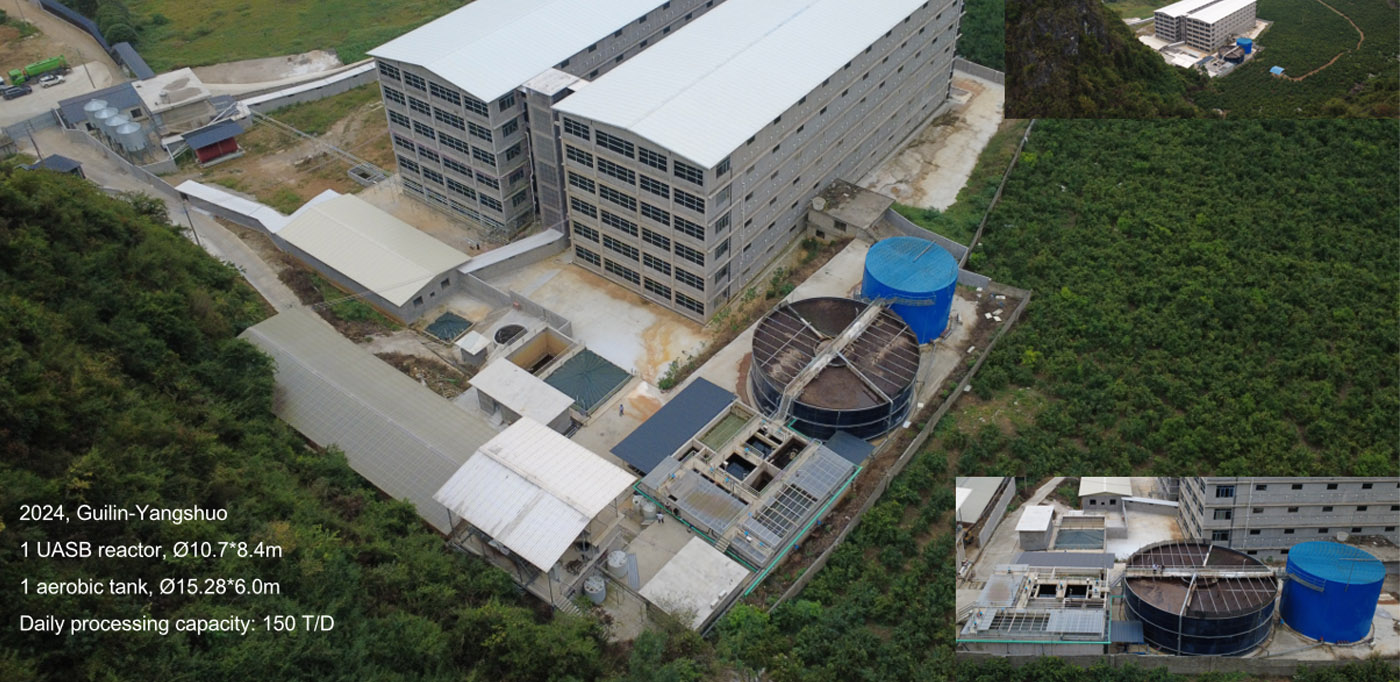
Evaluating a proposed waste-to-energy project requires a thorough assessment of local feedstock availability, utility grid access, and regional environmental standards. Balancing these factors determines the exact composition of the processing equipment, digester volumes, and gas upgrading configurations.
To obtain an accurate projection of the capital outlay required for your specific waste stream and site conditions, engaging with qualified engineering and manufacturing specialists is a necessary step. We invite industrial developers, municipal waste authorities, and agricultural enterprises to submit their project parameters and raw material analyses. Our engineering team provides detailed conceptual designs and structured equipment specifications tailored to your regional purity requirements and operational targets. Please submit your request for information through our B2B inquiry channel to initiate a formal consultation.
Frequently Asked Questions
Q1: What are the primary equipment expenses within a standard
facility budget?
A1: The primary capital
investments are distributed among civil engineering works, anaerobic digestion
vessels equipped with agitation and heating, pretreatment sorting systems, gas
upgrading systems (such as membrane separation or amine scrubbers), and
digestate dewatering equipment. Upgrading systems and civil construction
typically represent the largest portions of the total biogas plant cost.
Q2: How does the choice of feedstock affect the necessary processing
technology?
A2: High-solid feedstocks, such as
municipal solid waste or straw-heavy agricultural residues, require extensive
mechanical sorting, shredding, and high-solids pumping systems. In contrast,
liquid manures can be pumped directly into the digesters. More complex
feedstocks require heavier preparation equipment, which increases the initial
biogas plant cost.
Q3: Why is desulfurization required before the gas upgrading
stage?
A3: Raw biogas contains hydrogen sulfide
(H2S), which is highly corrosive when combined with moisture. Removing H2S
protects downstream compressors, membranes, and piping from chemical corrosion,
securing the physical integrity of the processing equipment and preventing
unscheduled maintenance shutdowns.
Q4: What is the difference between mesophilic and thermophilic
digestion configurations?
A4: Mesophilic digestion
operates between 37°C and 40°C, offering high process stability and lower
heating requirements. Thermophilic digestion operates at higher temperatures
(50°C to 55°C), which accelerates biological reaction rates and allows for
shorter hydraulic retention times, but requires precise temperature management
and higher heat input.
Q5: Can membrane separation systems handle volatile organic compounds
and siloxanes?
A5: No, polymeric membranes can be
damaged or fouled by siloxanes, volatile organic compounds (VOCs), and moisture.
Therefore, a comprehensive preprocessing stage consisting of activated carbon
filters, coalescing filters, and gas drying chillers is necessary to remove
these trace contaminants before the gas enters the membrane separation
stages.