


News
We'll get back to you as soon as possible.
How Do Gas Upgrading Systems Integrate with Bio Ethanol Plant Operations?
The industrial production of fuel ethanol relies heavily on the efficiency of yeast fermentation and subsequent distillation stages. Within a modern bio ethanol plant, feedstock preparation, starch liquefaction, saccharification, and fermentation represent the upstream backbone of the facility. Downstream processing focuses on separation, dehydration, and byproduct recovery. Historically, the focus of refining was limited strictly to the primary fuel output. Current engineering practices, however, demand a comprehensive approach to secondary resource recovery. This approach targets biogenic carbon dioxide emitted during fermentation and the high-strength organic wastewater streams generated during distillation.
Integrating auxiliary gas upgrading plants into these facilities changes how byproducts are handled. Instead of venting valuable gases, modern plants implement advanced gas processing infrastructure to capture, purify, and upgrade gaseous flows. This comprehensive analysis evaluates the technical systems, process configurations, and engineering methodologies required to maximize resource recovery in these industrial complexes.
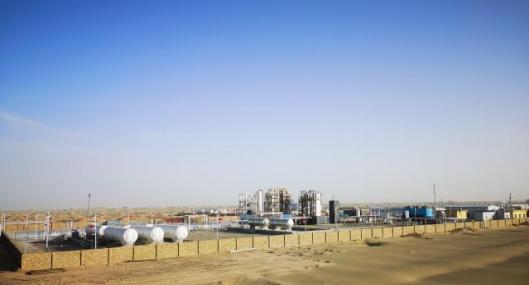
Process Flow and Integration of Gas Capture
During the anaerobic fermentation of sugars by yeast strains, carbon dioxide is produced in stoichiometric equivalence to ethanol. The simplified biochemical pathway shows that for every mole of glucose metabolized, two moles of ethanol and two moles of carbon dioxide are generated. This translates to roughly 0.96 kilograms of carbon dioxide for every kilogram of pure ethanol produced. In a large-scale bio ethanol plant, this biogenic carbon dioxide represents a highly concentrated, clean source of carbon, provided it is captured before atmospheric dilution occurs.
Fermentation off-gases typically exhibit a carbon dioxide purity of over 98% on a dry basis. The remaining fraction consists of water vapor, trace ethanol vapors, hydrogen sulfide, oxygen, nitrogen, and volatile organic compounds (VOCs) such as acetaldehyde and ethyl acetate. Upgrading this stream requires specialized purification systems capable of removing these impurities to meet food-grade or industrial standards.
To manage the liquid residuals, facilities employ anaerobic digestion systems. The thin stillage—the liquid fraction remaining after the distillation and centrifugation of the fermented mash—contains high chemical oxygen demand (COD) and biological oxygen demand (BOD). Treating this liquid in anaerobic reactors produces biogas, which is a mixture of methane (55-65%) and carbon dioxide (35-45%). Transforming this biogas into pipeline-quality biomethane requires a dedicated gas purification setup. Connecting a modern bio ethanol plant with a specialized gas upgrading installation allows operators to achieve a closed-loop gas recovery cycle, producing both liquid transport fuel and high-purity gaseous products.
Upstream Fermentation Gas Characteristics
Understanding the exact composition of the inlet gas is necessary for designing the purification train. Fermenter off-gas characteristics include:
Carbon Dioxide Concentration: 98.5% to 99.9% (vol/vol dry basis)
Moisture Content: Saturated at fermentation temperatures (typically 30°C to 38°C)
Ethanol Vapor Carryover: 0.1% to 0.5% depending on temperature and beer well design
Volatile Organic Compounds (VOCs): Trace amounts of aldehydes, esters, and fusel oils
Hydrogen Sulfide (H2S): 0 to 50 ppm, depending on feedstock sulfur content and yeast nutrients used
Addressing Carbon Intensity and Biogenic CO2 Capture
Reducing the overall carbon intensity score of bio-based fuels is a primary goal for process engineers. Capturing biogenic carbon dioxide directly from the fermentation vessels prevents its release into the atmosphere, providing a high-purity stream suitable for sequestration or industrial utilization. The capture system must operate under low pressure to prevent backpressure variations in the fermenters, which can negatively affect yeast cell viability and fermentation kinetics.
Industrial gas separation methods applied to this stream include water scrubbing, chemical absorption, and cryogenic distillation. Water scrubbing columns represent the primary step for removing water-soluble compounds, particularly ethanol and water-soluble VOCs. The scrubber column runs counter-currently, where water enters from the top and the raw gas enters from the bottom, allowing maximum contact time. The effluent from this scrubber, which contains recovered ethanol, is typically recycled back to the distillation section of the facility to prevent yield loss.
Subsequent purification steps involve catalytic oxidation systems to destroy remaining VOCs. The gas stream is preheated and passed over a precious metal catalyst bed, where trace organic impurities are oxidized into carbon dioxide and water vapor. This step is followed by deep dehydration utilizing regenerative molecular sieve beds. These molecular sieves, typically zeolite 3A or 4A, reduce the moisture content to dew points below -60°C, preventing ice formation in downstream liquefaction systems.
Anaerobic Digestion of Ethanol Byproducts
Managing the massive volumes of stillage generated during distillation requires a robust waste treatment strategy. Anaerobic digestion represents a highly effective biochemical process for converting these organic residues into biogas. High-rate anaerobic reactors, such as Upflow Anaerobic Sludge Blanket (UASB) or Anaerobic Filter systems, process the thin stillage after the solids have been separated via decanter centrifuges.
The methane produced in these anaerobic digesters represents a significant energy source. However, raw biogas is highly corrosive and contains impurities that prevent its direct utilization in combustion equipment or injection into natural gas grids. Upgrading the biogas involves the separation of carbon dioxide from methane, bringing the methane concentration to over 97%.
Separation systems designed for a bio ethanol plant must process varying volumetric flow rates. The primary technologies used for this purification step include:
Membrane Separation: Utilizing highly selective polymeric membranes that allow carbon dioxide and water molecules to permeate rapidly while retaining methane at high pressures.
Pressure Swing Adsorption (PSA): Using carbon molecular sieves that selectively adsorb carbon dioxide under pressure, releasing high-purity methane, and then desorbing the carbon dioxide under reduced pressure.
Amine Scrubbing: A chemical absorption process utilizing aqueous amine solutions (such as methyldiethanolamine) that react reversibly with carbon dioxide, offering extremely low methane slip.
Engineering Obstacles in Modern Refining Facilities
Integrating these gas purification systems presents several mechanical and operational challenges. Corrosive compounds, particularly hydrogen sulfide, pose a severe risk to downstream equipment, pipework, and catalysts. When moisture is present, hydrogen sulfide forms hydrosulfuric acid, which attacks carbon steel and damages copper-based components in electrical systems. Dry gas scrubbing technologies, including iron oxide media beds or specialized activated carbon, must be installed upstream of any compression stages to mitigate this risk.
Another major operational challenge is the management of non-condensable gases, such as nitrogen and oxygen, which enter the system during feedstock loading or through minor leaks in the fermenter seals. These gases do not liquefy at normal carbon dioxide liquefaction temperatures and must be stripped out using a purging column in the cryogenic purification section. Minimizing the purge rate is necessary to prevent the loss of carbon dioxide with the vented non-condensable gases.
Thermal integration within the facility also requires careful design. The regeneration of molecular sieve dryers and chemical absorption units requires significant thermal energy. Process engineers address this by utilizing waste heat from the distillation and evaporation stages of the facility. Pre-heating feed streams using heat exchangers linked to hot condensate lines reduces the total external energy input required to run the gas upgrading units.
High-Performance Equipment Specifications for Gas Separation
To ensure continuous operation under industrial conditions, gas upgrading systems must utilize robust mechanical components. Compressors represent the primary energy-consuming equipment within the purification train. Multi-stage reciprocating compressors or oil-free screw compressors are commonly specified for carbon dioxide compression due to their ability to handle wet, slightly acidic gases. These compressors must feature corrosion-resistant metallurgy, such as duplex stainless steel or specialized coatings on the rotors and cylinders.
The dehydration system must be designed for continuous operation, utilizing a minimum of two vessels in a swing configuration. While one vessel is actively adsorbing moisture from the gas stream, the second vessel undergoes thermal regeneration using dry, heated purge gas. The regeneration temperature typically ranges from 180°C to 220°C to ensure complete desorption of water molecules from the zeolite structure.
For biomethane production, membrane separation modules are housed in temperature-controlled enclosures to maintain consistent permeation rates. Because membrane selectivity is highly temperature-dependent, pre-heating or cooling the incoming gas stream to a stable baseline (usually between 15°C and 30°C) is required to maintain the target methane purity and recovery rate.
Consultation and Engineering Verification
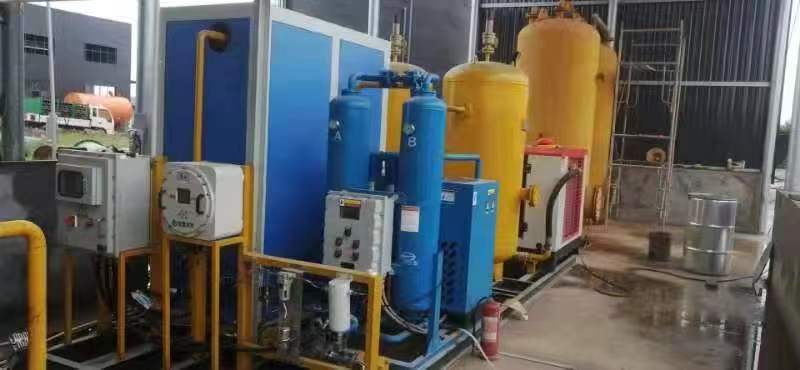
When sizing gas upgrading equipment for a bio ethanol plant, several chemical parameters and physical site limitations must be evaluated. Every facility operates with unique feedstock compositions, fermentation cycles, and local environmental standards, which dictate the design of the gas purification train.
To obtain a precise engineering evaluation, project engineers should prepare specific operational data. This data includes the volumetric flow rate of the fermenter off-gas, the average concentration of hydrogen sulfide and VOCs, the available steam pressure for thermal regeneration, and the desired final purity of the recovered carbon dioxide or biomethane. Providing these detailed parameters enables the design team to model the gas upgrading system accurately, ensuring seamless integration with existing plant utilities and downstream storage infrastructure. Please submit your facility specifications to initiate a detailed technical review.
Frequently Asked Questions (FAQ)
Q1: What are the primary gaseous byproducts of a bio ethanol plant?
A1: The primary gaseous byproducts are carbon dioxide generated directly from the fermentation vessels and biogas (a mixture of methane and carbon dioxide) produced from the anaerobic digestion of thin stillage. Trace elements in these gases include ethanol vapor, water vapor, hydrogen sulfide, and volatile organic compounds.
Q2: How does membrane separation compare to pressure swing adsorption in biogas upgrading?
A2: Membrane separation relies on the differing permeation rates of gases through a polymer barrier, requiring continuous pressure and offering high reliability due to the lack of moving parts. Pressure Swing Adsorption uses solid adsorbent beds that cycle between high and low pressures to capture carbon dioxide, requiring dry gas input and offering very high methane purity with minimal chemical consumables.
Q3: Why is desulfurization necessary prior to carbon dioxide liquefaction?
A3: Hydrogen sulfide is highly corrosive and can damage compressors and cryogenic distillation equipment. Furthermore, sulfur compounds act as catalyst poisons in VOC oxidation systems and must be removed to extremely low levels (typically below 0.1 ppm) if the carbon dioxide is intended for food-grade applications.
Q4: How can thermal energy from the ethanol distillation process be utilized?
A4: High-temperature condensate and low-pressure flash steam from the distillation columns can be routed through heat exchangers to supply the heat required for regenerating chemical scrubbing solvents (such as amines) or pre-heating regenerating gas for molecular sieve dehydration systems.
Q5: What purity standards must biogenic carbon dioxide meet for industrial use?
A5: Industrial-grade carbon dioxide generally requires a minimum purity of 99.5%, while food and beverage-grade carbon dioxide must meet stricter standards, typically exceeding 99.9% purity. The latter must also have strict limits on moisture content, total hydrocarbons, oxygen, carbon monoxide, and sensory-active sulfur compounds.