


News
We'll get back to you as soon as possible.
5 Engineering Pillars of a High-Efficiency Anaerobic Digestion System
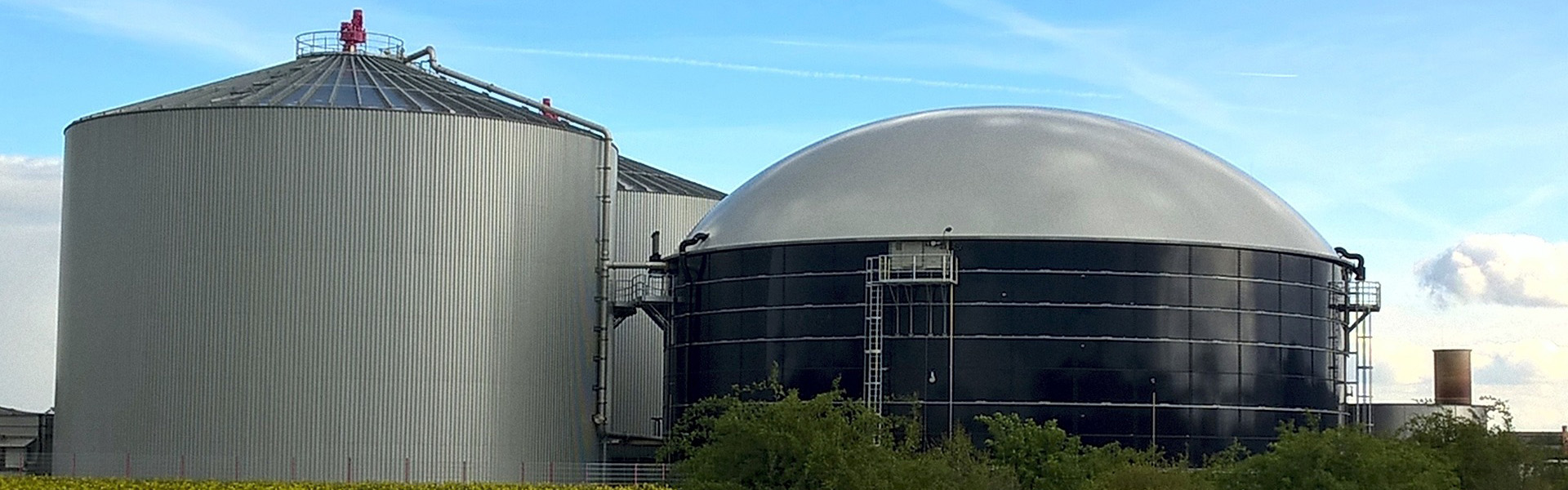
Industrial waste management and municipal resource recovery require robust engineering frameworks to handle organic side-streams. For processing facilities, agricultural cooperatives, and wastewater treatment operations, the installation of an industrial anaerobic digestion system serves as the foundation of modern waste-to-energy strategies. This biological process utilizes specialized consortia of microbes to convert complex organic matter into high-energy biogas and nutrient-rich digestate under strict oxygen-free conditions.
Developing an efficient waste-to-energy infrastructure demands a thorough understanding of biological pathways, reactor mechanics, and downstream purification technologies. When designed to precise engineering standards, these systems divert organic waste from landfills, mitigate fugitive greenhouse gas emissions, and generate a reliable stream of biomethane that can substitute for fossil natural gas.
Biochemical Pathways of Anaerobic Decomposition
The conversion of solid and liquid organic waste into biogas is a multi-stage biological phenomenon. It relies on the symbiotic activities of diverse microbial populations, which must be carefully balanced to prevent process instability and maintain steady gas production rates.
Key Biological Phases Within the anaerobic digestion system
Hydrolysis: In this introductory phase, complex polymeric structures such as proteins, carbohydrates, and lipids are broken down into soluble monomers (amino acids, sugars, and fatty acids). This hydrolytic step is catalyzed by extracellular enzymes secreted by primary colonizing bacteria. For lignocellulosic or fibrous feedstocks, hydrolysis often acts as the rate-limiting step of the entire conversion process.
Acidogenesis: The soluble products of hydrolysis are absorbed by acidogenic bacteria. These organisms ferment the monomers into volatile fatty acids (VFAs), lactic acid, alcohols, and inorganic compounds such as carbon dioxide, hydrogen, and ammonia.
Acetogenesis: Acetogenic microbes convert the intermediate volatile fatty acids and alcohols into acetic acid, carbon dioxide, and hydrogen. This phase requires precise thermodynamic conditions, specifically a low partial pressure of hydrogen, which is maintained by the hydrogen-consuming activities of partner microbes.
Methanogenesis: Strictly anaerobic archaea, known as methanogens, execute the final conversion. They utilize two primary metabolic pathways: acetoclastic methanogenesis, which splits acetic acid into methane and carbon dioxide, and hydrogenotrophic methanogenesis, which combines hydrogen and carbon dioxide to form methane.
Maintaining biological equilibrium across these four phases requires consistent monitoring of physical parameters. If the acid-producing bacteria outpace the slow-growing methanogenic archaea, volatile fatty acids accumulate, leading to a drop in pH and eventual process failure. Regular analysis of the volatile fatty acids to total inorganic carbon (VFA/TIC) ratio serves as a primary diagnostic indicator for operators to assess microbial health.
Reactor Design and Process Configurations
Industrial scale installations are configured based on the physical properties of the incoming feedstock, the available space, and the desired treatment capacity. The choice of reactor geometry, mixing technology, and thermal regime directly dictates the hydraulic retention time (HRT) and the volatile solids (VS) destruction efficiency.
Continuous Stirred-Tank Reactors (CSTR)
CSTR designs are highly prevalent in facilities treating liquid or slurry-type feedstocks with total solids (TS) concentrations between 3% and 10%. Mechanical impellers, gas recirculation systems, or hydraulic pumps keep the liquid medium thoroughly agitated. This continuous mixing ensures uniform temperature distribution, prevents the formation of scum layers, and facilitates consistent contact between the active microbial biomass and the incoming organic material.
Plug-Flow Reactors
For high-solid substrates, such as source-segregated organic fractions of municipal solid waste or dry agricultural residues containing 15% to 35% total solids, plug-flow reactors are often preferred. In these horizontal, tunnel-like vessels, feedstock moves through the system as a continuous plug. Mixing is typically limited to slow-turning horizontal shafts equipped with paddles, designed primarily to release trapped biogas bubbles rather than to homogenize the entire volume. Part of the discharged digestate is recycled back to the inlet to inoculate the raw feedstock with active microbes.
Thermal Regimes: Mesophilic vs. Thermophilic
Temperature control is a major variable in reactor operation. System designers must select between two primary thermal ranges:
Mesophilic Systems (37°C to 41°C): This range supports a highly diverse and resilient microbial community. Mesophilic reactors require lower energy inputs for process heating and demonstrate tolerance to fluctuations in feeding rates and temperature variations. However, they require longer retention times, typically 20 to 30 days.
Thermophilic Systems (52°C to 56°C): Thermophilic operations accelerate metabolic kinetics, allowing for shorter hydraulic retention times (often 12 to 15 days) and smaller reactor footprints. They also provide enhanced pathogen destruction, which is beneficial for agricultural and sanitation compliance. These systems are more sensitive to thermal fluctuations and are prone to ammonia toxicity, requiring precise control interfaces.
Feedstock Management and Pre-Treatment Strategies
The chemical composition of the input material dictates the ultimate biogas yield and the long-term stability of the biological process. To maintain steady operations, the anaerobic digestion system requires a consistent chemical oxygen demand (COD) loading rate and a balanced nutrient profile.
Carbon-to-nitrogen (C:N) ratios are fundamental to biological health. The optimal C:N ratio for anaerobic organisms lies between 25:1 and 30:1. Substrates with high nitrogen concentrations, such as poultry manure or slaughterhouse waste, can release excessive amounts of free ammonia during degradation, which inhibits methanogenic activity. Co-digestion—the simultaneous processing of multiple feedstock streams, such as mixing high-carbon straw with high-nitrogen manure—is a common practice to achieve nutritional balance.
Mechanical pre-treatment, including shredding and maceration, reduces particle size and increases the accessible surface area for enzymatic attack. Thermal hydrolysis can also be integrated upstream to break down complex cellular matrices, which improves the dewatering characteristics of the final digestate and increases the overall volatile solids destruction rate.
Downstream Biogas Upgrading Integration
Raw biogas typically consists of 50% to 70% methane, 30% to 50% carbon dioxide, along with water vapor, hydrogen sulfide, and trace volatile organic compounds. To utilize this gas for injection into natural gas grids or as vehicle fuel, it must undergo purification to elevate the methane content above 97%.
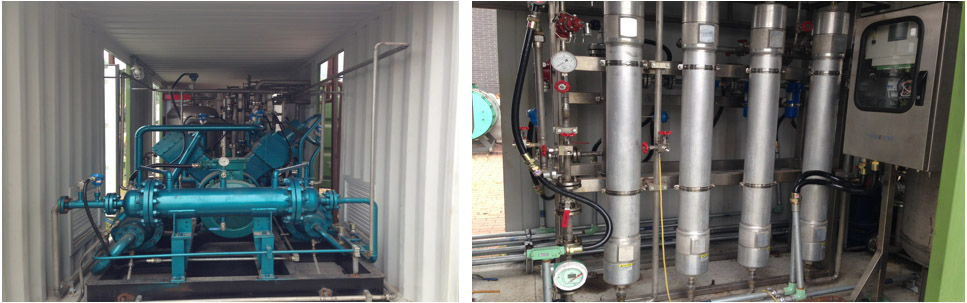
Integrating the anaerobic digestion system with a membrane separation unit allows for effective separation of carbon dioxide. Polymeric membranes exploit the differences in permeation rates of gas molecules. Carbon dioxide, water vapor, and hydrogen sulfide permeate quickly through the membrane material, leaving a pressurized stream of high-purity biomethane.
Before entering the membrane separation stage, raw biogas undergoes pre-treatment to protect the upgrading equipment. This pre-treatment protocol involves:
Desulfurization: Hydrogen sulfide is highly corrosive to piping and downstream equipment. It is removed using biological desulfurization, iron oxide media beds, or activated carbon polishing.
Dehydration: Cooling the gas below its dew point condenses water vapor, preventing liquid accumulation and corrosion in transport lines.
Siloxane Removal: Siloxanes, commonly found in sewage sludge and landfill gases, form abrasive silicon dioxide deposits in combustion chambers and must be removed using specialized adsorption media.
Digestate Handling and Nutrient Recovery
The material remaining after the digestion cycle is digestate, a stabilized substance rich in macro-nutrients such as nitrogen, phosphorus, and potassium. Managing this by-product responsibly completes the nutrient cycle.
A separation stage using decanter centrifuges or screw presses splits the digestate into solid and liquid fractions. The solid fraction is rich in organic carbon and phosphorus, making it suitable for direct soil application or composting to produce organic fertilizers. The liquid fraction, which contains high concentrations of ammonium nitrogen, can be used for local crop irrigation or processed through ammonia stripping and vacuum evaporation systems to produce concentrated mineral fertilizer solutions, minimizing wastewater discharge requirements.
B2B Project Planning and Implementation
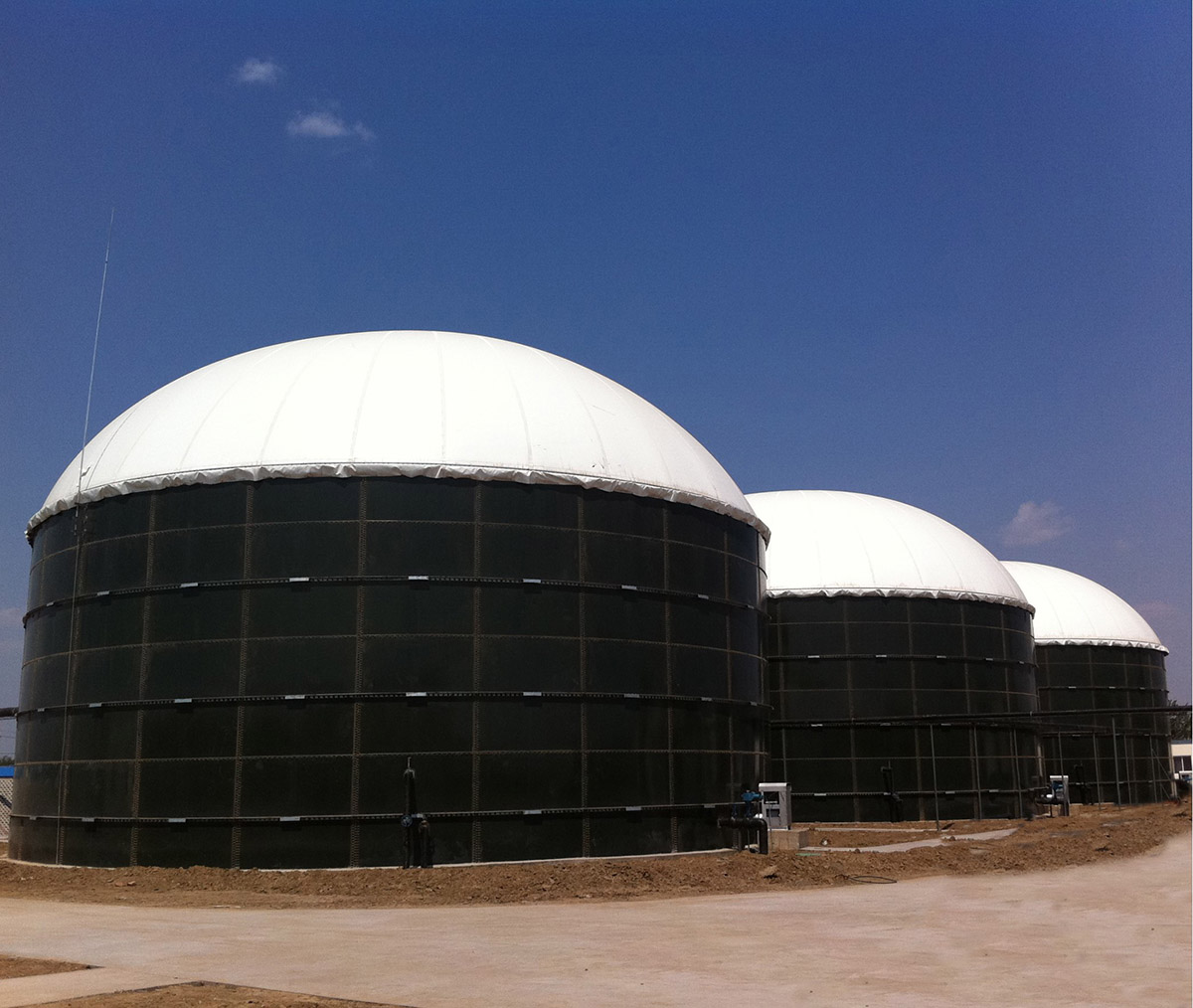
Developing an industrial gas production plant requires careful coordination of biological parameters and civil engineering. When sizing an anaerobic digestion system for your facility, several crucial engineering variables must be established during the planning phase:
Daily feedstock volume, physical characteristics, and seasonal availability
Biomethanol potential (BMP) profiles of the target organic materials
Local environmental regulations concerning digestate application and effluent discharge
Integration requirements for grid injection or on-site power generation
Our engineering team designs and manufactures high-performance biogas upgrading equipment, customized gas separation systems, and complete biological processing packages tailored to specific industrial configurations. We invite processing facilities, municipal utilities, and agricultural developers to submit an inquiry with feedstock specifications and project goals. Our application engineers will analyze your parameters to provide a tailored system design proposal.
Frequently Asked Questions
Q1: What are the primary feedstock requirements for an industrial anaerobic digestion system?
A1: Industrial systems require organic feedstocks with high volatile solids content, low physical contaminants (such as plastics, glass, and metals), and a balanced carbon-to-nitrogen ratio. Common materials include agricultural residues, livestock manure, food processing waste, and municipal sewage sludge.
Q2: How does the VFA/TIC ratio help monitor digester health?
A2: The Volatile Fatty Acids to Total Inorganic Carbon ratio measures the relationship between acid production and buffering capacity. A rising ratio indicates that acidogenesis is outperforming methanogenesis, signaling potential acidification of the system. Keeping this ratio within target parameters prevents biological failure.
Q3: What are the primary benefits of thermophilic operation over mesophilic?
A3: Thermophilic systems operate at higher temperatures, accelerating biochemical reactions. This leads to shorter retention times, higher biogas production rates per unit volume, and superior pathogen destruction, though they require more heating energy and precise control.
Q4: Why must siloxanes be removed during the biogas upgrading process?
A4: Siloxanes convert into silicon dioxide (silica) during gas combustion, forming hard, glass-like deposits on heat exchangers, valves, and gas engine components. This causes physical wear and mechanical failure, making pre-treatment filtration necessary.
Q5: How is digestate transformed into a commercial resource?
A5: Through mechanical separation, digestate is split into solid organic matter and liquid nutrient fractions. The solid portion serves as a soil builder, while the liquid can be concentrated into mineral-grade nitrogen fertilizers, replacing synthetic inputs.