


News
We'll get back to you as soon as possible.
Modernizing Biogas Production: Engineering Design and Operation of the Anaerobic Digestion System
The generation of renewable natural gas from organic waste streams relies on structured biochemical pathways executed within controlled environments. Industrial facilities require systematic design configurations to maintain high gas yields while processing variable feedstocks. Implementing a robust anaerobic digestion system requires a thorough comprehension of both the biological consortia involved and the mechanical systems designed to support them.
Modern biogas facilities employ sophisticated reactors designed for precise environmental regulation, efficient mass transfer, and continuous monitoring. These systems convert organic polymers into a methane-rich biogas, which can subsequently be upgraded to grid-quality biomethane. Achieving stable operations requires a balanced approach to biological maintenance, mechanical preparation, and downstream purification.
Biochemical Pathways of Anaerobic Decomposition
The transformation of solid biomass into gaseous methane occurs through four distinct, sequential biological phases. Each phase is carried out by specialized groups of microorganisms that require specific environmental conditions to function cooperatively.
Hydrolysis
In the initial phase, complex organic polymers such as proteins, carbohydrates, and lipids are insoluble and cannot be directly absorbed by microorganisms. Hydrolytic bacteria secrete extracellular enzymes—such as amylases, proteases, and lipases—to break these polymers down into soluble monomers, including amino acids, monosaccharides, and fatty acids. Hydrolysis is frequently the rate-limiting step when processing feedstocks with high lignocellulosic content, necessitating mechanical or chemical pretreatment to facilitate enzymatic access.
Acidogenesis
Once soluble monomers are formed, acidogenic bacteria absorb these compounds and ferment them into short-chain volatile fatty acids, alcohols, lactic acid, carbon dioxide, and hydrogen. This phase proceeds rapidly, and the microorganisms responsible are resilient to fluctuations in operating environments. However, rapid acidogenesis can lead to an accumulation of volatile fatty acids, which may overwhelm downstream processes if not managed properly.
Acetogenesis
During acetogenesis, the intermediate products generated during acidogenesis are converted by acetogenic bacteria into acetic acid, carbon dioxide, and hydrogen. This reaction is highly dependent on the partial pressure of hydrogen within the reactor. If hydrogen levels rise too high, acetogenesis becomes thermodynamically unfavorable, halting the conversion of longer-chain fatty acids such as propionate and butyrate. Consequently, a close physical and biological association with hydrogen-consuming microorganisms is necessary to sustain this step.
Methanogenesis
The final phase is carried out by strictly anaerobic Archaea known as methanogens. These organisms utilize two primary pathways to produce methane: acetoclastic methanogenesis, which splits acetic acid into methane and carbon dioxide, and hydrogenotrophic methanogenesis, which utilizes hydrogen to reduce carbon dioxide to methane. Methanogens are highly sensitive to oxygen exposure, pH changes, and temperature variations, making this the most delicate phase of the biological cycle.
Key Parameters for Operational Stability
Maintaining biological balance within an active anaerobic digestion system requires continuous regulation of physical and chemical variables. Deviations from established baselines can lead to biological upsets, reducing biogas quality and volume.
Thermal Control: Operations are categorized as either mesophilic (typically 35°C to 40°C) or thermophilic (typically 50°C to 55°C). Thermophilic systems offer accelerated reaction kinetics and enhanced pathogen reduction, but they exhibit lower biological resilience and are sensitive to temperature fluctuations of even a few degrees. Mesophilic systems are more common due to their operational stability and lower auxiliary heating requirements.
pH and Buffering Capacity: The optimal pH range for methanogenic activity is between 6.8 and 7.5. Acidogenic bacteria can tolerate more acidic conditions, but methanogenic pathway efficiency drops significantly below pH 6.5. System stability is maintained by the bicarbonate buffering capacity of the liquid, which neutralizes volatile fatty acids. Monitoring the ratio of volatile fatty acids to total inorganic carbon (VFA/TIC) serves as an early indicator of potential acidification.
Organic Loading Rate (OLR): The OLR defines the mass of volatile solids fed into the digester volume per day. Feeding rates exceeding the biological capacity of the methanogens lead to an accumulation of unreacted acids, causing a decline in pH and subsequent process failure.
Hydraulic Retention Time (HRT): The HRT represents the average duration the liquid feedstock remains within the digestion vessel. The retention time must be sufficient to prevent active microbial biomass from being washed out of the system, particularly in continuous flow configurations.
Bioreactor Configurations for Industrial Applications
The selection of reactor design depends on the total solids content of the feedstock, the desired throughput, and the specific operational goals of the facility.
Continuous Stirred-Tank Reactors (CSTR)
CSTR configurations are widely utilized for liquid and semi-solid feedstocks with a total solids content between 5% and 10%. Mechanical impellers, gas recirculation systems, or hydraulic pumps keep the slurry fully mixed, preventing stratification and ensuring uniform distribution of nutrients and microorganisms. This configuration helps prevent the formation of floating crusts and settled sludge layers.
Plug Flow Reactors (PFR)
PFR units are designed for high-solids feedstocks, such as stacked agricultural waste or municipal solid waste with a dry matter content of 15% to 30%. The material moves horizontally through a long, tunnel-like reactor without active back-mixing. The biological progression occurs sequentially along the length of the reactor, making this design suitable for materials with predictable digestion profiles.
Upflow Anaerobic Sludge Blanket (UASB)
UASB reactors are engineered for high-strength soluble wastewater treatment. Wastewater enters from the bottom of the column and flows upward through a dense pelletized microbial blanket. The active biomass remains suspended in the lower portion of the reactor, allowing for very short hydraulic retention times while maintaining high solid retention times, resulting in efficient space utilization.
Feedstock Pretreatment Methodologies
Industrial organic waste often contains complex physical structures that resist direct microbial decomposition. Implementing systematic pretreatment methods alters these physical and chemical barriers, increasing the surface area accessible to hydrolytic enzymes.
Mechanical pretreatment involves size reduction through milling, shredding, or maceration. Reducing the particle size of agricultural residues or food waste prevents blockages in internal piping and reduces the energy required for internal mixing. Additionally, separating non-digestible inert materials, such as plastics, glass, and grit, is necessary to protect downstream pumps and prevent volume loss due to siltation inside the reactor.
Thermal pretreatment, such as thermal hydrolysis, subjects the incoming slurry to elevated temperatures (typically 140°C to 160°C) under pressure for a defined period. This process ruptures cell walls, solubilizes organic fractions, and reduces the overall viscosity of the digestate, allowing for higher solids loading rates within the digester and improving dewatering efficiency post-digestion.
Downstream Biogas Upgrading and Purification
Raw biogas typically contains 50% to 70% methane, 30% to 50% carbon dioxide, and trace impurities including hydrogen sulfide, siloxanes, nitrogen, oxygen, and water vapor. To utilize this gas for injection into natural gas grids or as transport fuel, it must undergo purification to raise the methane content above 97%.
Hydrogen sulfide removal is an immediate priority in gas conditioning. If moisture is present, hydrogen sulfide reacts to form sulfuric acid, which causes corrosion in pipelines, valves, and combustion engines. Biological desulfurization introduces micro-amounts of oxygen into the headspace of the digester or a dedicated vessel, enabling sulfur-oxidizing bacteria to convert hydrogen sulfide into elemental sulfur. Dry chemical scrubbers utilizing iron oxide media are also employed to reduce sulfide concentrations to single-digit parts per million.
Carbon dioxide separation is achieved through several established industrial methods:
Membrane Separation: This method utilizes polymeric hollow-fiber membranes. Under pressure, carbon dioxide, moisture, and hydrogen sulfide permeate through the membrane walls faster than methane, leaving a highly purified biomethane stream.
Pressure Swing Adsorption (PSA): PSA systems utilize adsorbent materials, such as activated carbon or carbon molecular sieves, under high pressure to selectively capture carbon dioxide and other impurities. Once the adsorbent is saturated, pressure is reduced to desorb the impurities and regenerate the media.
Water Scrubbing: This process exploits the higher solubility of carbon dioxide in water compared to methane. Raw gas is compressed and introduced into a column where it contacts counter-flowing water, dissolving the carbon dioxide while allowing purified methane to exit at the top.
Chemical Scrubbing: Utilizing amine solutions, this process relies on selective chemical reactions to bind carbon dioxide at moderate temperatures. The solution is then heated in a separate stripper column to release the carbon dioxide, restoring the amine solvent for reuse.
Digestate Processing and Nutrient Management
The effluent remaining after the digestion process, known as digestate, consists of stabilized organic matter, mineralized nutrients, and water. Proper management of this material is necessary to maintain clean site operations and close the nutrient loop.
Mechanical separation using screw presses or decanter centrifuges divides the digestate into solid and liquid fractions. The solid fraction, rich in phosphorus and organic fiber, is suitable for agricultural soil application or composting. The liquid fraction contains high concentrations of ammonium nitrogen and potassium. This liquid can undergo vacuum stripping and acid absorption to recover nitrogen as concentrated ammonium sulfate fertilizer, reducing storage volume requirements and preventing environmental runoff.
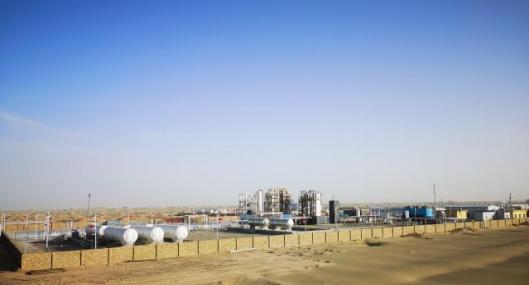
Integration of a High-Capacity anaerobic digestion system
Integrating a complete system within existing industrial or municipal infrastructure demands careful planning of fluid dynamics, thermal balancing, and gas handling. Modern facilities are engineered to reuse thermal energy from combined heat and power units or gas upgrading systems to maintain the digester temperatures, minimizing external energy requirements. Continuous gas analysis, mass flow meters, and automated valve networks ensure that gas processing matches biological production rates, maintaining stable pressure regimes throughout the facility.
For B2B organizations planning waste management infrastructure or biogas upgrading facilities, selecting the appropriate configuration requires an analysis of feedstock characteristics, geographic constraints, and final gas utilization goals. Our engineering division provides tailored design planning, equipment manufacturing, and process verification services to ensure operational stability and reliable output. Please contact our engineering team to submit an inquiry regarding custom system configurations, feedstock evaluations, and project layout options.
Frequently Asked Questions
Q1: What are the primary feedstocks suitable for a commercial-scale anaerobic digestion system?
A1: Commercial facilities process a wide range of organic substrates, including municipal wastewater sludge, food processing waste, agricultural residues, animal manures, and energy crops. The suitability of each feedstock depends on its volatile solids content, moisture levels, and chemical composition, which determine the potential biomethane yield.
Q2: How do temperature fluctuations affect methanogenic bacteria?
A2: Methanogens are sensitive to thermal changes. Even a minor temperature variation of 1°C to 2°C can disrupt the metabolic balance between acid producers and methane producers, leading to an accumulation of volatile fatty acids, pH drops, and decreased gas production. Maintaining consistent heat distribution is necessary.
Q3: What methods are used to control hydrogen sulfide levels in biogas?
A3: Hydrogen sulfide is controlled through primary biological desulfurization, where limited oxygen is introduced to promote sulfur-oxidizing bacteria, or through secondary chemical polishing. Chemical polishing methods include passing the gas through iron-sponge filtration beds or utilizing specialized activated carbon media to adsorb trace sulfur compounds.
Q4: What is the significance of the Carbon-to-Nitrogen (C:N) ratio?
A4: Microorganisms require a balanced diet of carbon for energy and nitrogen for cellular structure. The optimal C:N ratio for anaerobic digestion is between 20:1 and 30:1. A ratio that is too high limits microbial growth, while a ratio that is too low leads to excessive ammonia accumulation, which can inhibit methanogenesis.
Q5: How can operators prevent foaming within the anaerobic digestion system?
A5: Foaming is typically caused by organic overloading, high concentrations of surface-active agents like proteins or lipids, or inadequate mixing. Prevention strategies include stabilizing the organic loading rate, employing gentle mechanical mixing to release trapped gas bubbles, and implementing automated anti-foaming dosing systems when foam levels exceed safety thresholds.