


News
We'll get back to you as soon as possible.
How to Enhance Methane Yield in the Industrial Anaerobic Digestion Process?
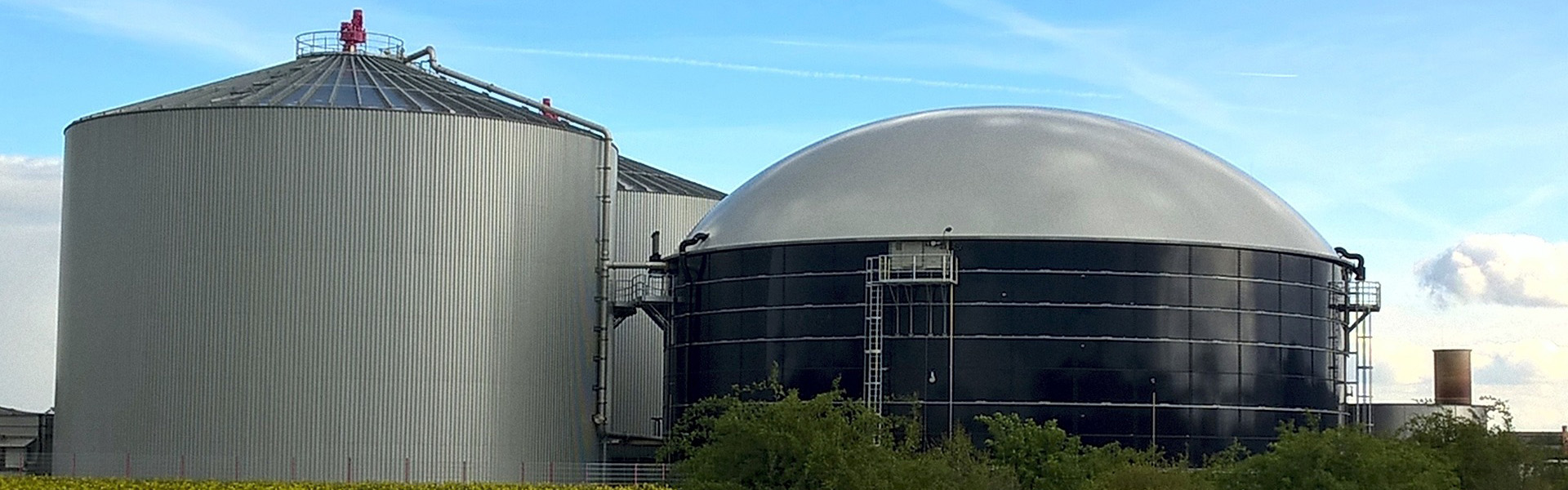
Modern industrial plants handle millions of tons of organic waste annually. Managing this volume requires sophisticated biochemical systems that convert complex organic compounds into valuable energy carriers. The anaerobic digestion process represents a primary biological pathway for converting organic substrates into renewable energy. By isolating organic waste in oxygen-free reactors, operators utilize naturally occurring microorganisms to break down complex molecular chains. This process serves a dual purpose: it reduces the volume of organic waste destined for landfills and generates raw biogas that can be upgraded to high-purity biomethane.
Implementing this biological pathway on an industrial scale requires a detailed understanding of the biochemical pathways involved, raw feedstock properties, and the operational challenges associated with gas separation. Success in operating these plants depends on maintaining a delicate balance between different bacterial populations while preparing the resulting gas for commercial use.
The Four Biochemical Stages of Biomass Breakdown
To manage a biogas production facility, one must monitor the progressive breakdown of organic matter, which occurs in four distinct, sequential stages. Each stage is performed by specific groups of bacteria and archaea that require precise environmental conditions to function. Disruption at any single point in this chain halts the entire sequence, reducing gas production and potentially souring the reactor.
1. Hydrolysis
Complex polymeric substances, such as carbohydrates, proteins, and lipids, are insoluble in water. During the initial stage of hydrolysis, fermentative bacteria secrete extracellular enzymes, including amylases, proteases, and lipases. These enzymes break down the polymer chains into soluble monomers, such as simple sugars, amino acids, and fatty acids. Because these complex molecules cannot pass through the bacterial cell membranes in their original form, hydrolysis is often the rate-limiting step for feedstocks with high lignocellulose content, such as agricultural straw or woody biomass.
2. Acidogenesis
Once soluble monomers are available, acidogenic bacteria absorb these compounds and convert them into simpler molecules. This biological stage produces volatile fatty acids (VFAs), such as butyric acid, propionic acid, and acetic acid, alongside lactic acid, ethanol, carbon dioxide, and hydrogen gas. The accumulation of these acidic compounds can rapidly lower the pH of the digester environment. Consequently, maintaining a balance between the acid-producing bacteria and the acid-consuming organisms in subsequent stages is a core task for plant operators.
3. Acetogenesis
During the third stage, acetogenic bacteria convert the products of acidogenesis—specifically VFAs and alcohols—into acetic acid, carbon dioxide, and hydrogen. This step is thermodynamically constrained and depends heavily on the concentration of dissolved hydrogen in the digester. If the partial pressure of hydrogen becomes too high, the conversion of VFAs like propionic and butyric acid is biochemically blocked, leading to an accumulation of acids that can halt the anaerobic digestion process entirely. Methanogenic organisms must continuously consume hydrogen to maintain a low partial pressure, allowing acetogenesis to proceed.
4. Methanogenesis
The final stage of the anaerobic digestion process is carried out by methanogenic archaea, which are highly sensitive anaerobic microorganisms. These archaea belong to two main groups based on their metabolic pathways: acetoclastic methanogens, which split acetic acid to form methane and carbon dioxide, and hydrogenotrophic methanogens, which use hydrogen to reduce carbon dioxide into methane. Because methanogens grow much slower than acid-forming bacteria and are highly sensitive to pH variations, keeping the bioreactor's pH between 6.5 and 7.8 is necessary to prevent process failure.
Industrial Feedstocks and Biochemical Oxygen Demand Management
The efficiency of biological gas production depends on the characteristics of the incoming substrates. Industrial facilities process diverse waste streams, each requiring specific handling and mixing protocols.
Feedstock Variability: Municipal sewage sludge, animal manure, food processing waste, and dedicated energy crops represent the primary substrates utilized in commercial digesters. High-solid feedstocks, such as dry food waste, require specialized feeding systems and solid-state digesters, whereas liquid slurries can be pumped through continuous stirred-tank reactors.
Organic Loading Rate (OLR): This parameter defines the mass of volatile solids fed into the digester per unit volume per day. Pushing the OLR too high can overload the microbial community, leading to a build-up of VFAs and subsequent digester acidification.
Hydraulic Retention Time (HRT): HRT indicates the average time the feedstock remains inside the bioreactor. While shorter retention times maximize throughput, they must be balanced against the biological decay rate of the organic matter to prevent washing out the slow-growing methanogenic population.
Temperature Control: Bioreactors generally operate under mesophilic conditions (35°C to 40°C) or thermophilic conditions (50°C to 55°C). Mesophilic systems offer greater operational stability and resistance to chemical shocks, whereas thermophilic systems provide faster reaction kinetics and superior pathogen destruction, though they require higher thermal energy inputs and are more prone to ammonia toxicity.
Biogas Composition and the Necessity of Upgrading
Raw gas collected from the top of the bioreactor is not ready for direct injection into natural gas grids or utilization as vehicle fuel. It consists primarily of methane (50-70%) and carbon dioxide (30-50%), with trace amounts of nitrogen, oxygen, water vapor, hydrogen sulfide, and volatile siloxanes. To achieve biomethane of pipeline quality, the raw biogas must undergo comprehensive purification and upgrading. The upgrading step specifically focuses on the separation of carbon dioxide from methane to increase the heating value of the fuel.
Several established methods exist for gas separation, each offering distinct advantages depending on plant capacity, feedstock type, and target purity levels:
Water Scrubbing: This physical separation method exploits the higher solubility of carbon dioxide in water compared to methane at elevated pressures. Raw biogas is pressurized and introduced into the bottom of a column, while water is sprayed from the top. The carbon dioxide dissolves into the water phase, leaving high-purity methane at the outlet. The water is subsequently depressurized and stripped of CO2 so it can be recirculated back into the process.
Amine Scrubbing: Chemical absorption systems use liquid amine solvents to selectively bind with carbon dioxide molecules. This chemical reaction is highly selective, resulting in methane purities exceeding 99% with minimal methane slip (typically less than 0.1%). The solvent is regenerated by heating it to break the chemical bonds, releasing the captured CO2.
Pressure Swing Adsorption (PSA): PSA systems utilize solid adsorbent materials, such as activated carbon or carbon molecular sieves, to capture CO2 under high pressure. Once the adsorbent bed is saturated, the pressure is reduced, releasing the carbon dioxide and regenerating the media. This setup requires multiple parallel columns to ensure continuous operation.
Membrane Separation: This method relies on polymer membranes that exhibit different permeation rates for gas molecules. Because carbon dioxide, water vapor, and hydrogen sulfide pass through the membrane material much faster than methane, the methane remains on the high-pressure retentate side, while CO2 is collected as permeate. Modern multi-stage membrane configurations achieve excellent methane recovery rates without requiring chemical consumables.
Resolving Common Operational Bottlenecks in Biogas Plants
Operating an industrial biogas facility involves managing biochemical imbalances and mechanical wear. Addressing these issues systematically ensures consistent biomethane output and steady plant performance.
High concentrations of hydrogen sulfide are highly corrosive to CHP engines and upgrading systems. Microorganisms in the anaerobic digestion process convert organic sulfur compounds into gaseous H2S. To mitigate this, operators can inject small quantities of oxygen into the digester headspace to encourage the growth of sulfur-oxidizing bacteria, or utilize chemical scrubbers containing iron oxide media to bind the sulfur before the gas reaches downstream upgrading equipment.
Another common issue is foaming inside the bioreactor, which blocks gas exit pipes, damages pressure relief valves, and disrupts mixing systems. Foaming is often triggered by sudden changes in feedstock composition, such as an influx of lipids or proteins, which leads to surfactant accumulation. Regular monitoring of VFA-to-alkalinity ratios allows operators to adjust the feed rate and introduce anti-foaming agents before foam generation impacts the system.
High levels of nitrogen and oxygen in the biogas typically indicate air leaks in the reactor cover or piping. Because nitrogen is difficult to separate from methane using standard upgrading technologies, preventing ambient air ingress through proper sealing and pressure management is a primary maintenance requirement.
Integration of Biogas Upgrading Equipment
The successful conversion of waste to high-value biomethane depends on the integration of the digestion and upgrading subsystems. The raw biogas produced by the anaerobic digestion process must be conditioned prior to entering the separation membranes or chemical wash units.
Gas condensation and drying represent the first step in this conditioning chain. Biogas leaving the reactor is saturated with water vapor. Cooling the gas via refrigeration units condenses the water, protecting downstream filtration media and compressors from liquid damage. Fine particulate matter and residual aerosols must also be removed using coalescing filters to prevent fouling of high-performance membranes or chemical solvents.
Most upgrading technologies, particularly membrane separation and PSA, require the gas to be pressurized to operating levels between 4 and 15 bar. Choosing efficient, oil-free compressors prevents hydrocarbon contamination of the purification media. Additionally, installing volatile organic compound (VOC) and siloxane removal beds upstream of the main gas separation unit protects sensitive membranes and adsorbents from irreversible fouling, ensuring long-term operational efficiency.
Industrial Procurement and Engineering Inquiry
Establishing an efficient biogas purification facility requires careful matching of digester biology with downstream gas upgrading systems. Our engineering team assists industrial operators and municipal utility managers in selecting, sizing, and implementing gas upgrading plants that align with specific feedstock profiles and regional gas grid standards.
To discuss your project parameters, gas flow rates, or equipment specifications, please submit a professional inquiry through our contact portal. Our engineering consultants will review your project requirements and provide customized system designs to support your operations.
Frequently Asked Questions
Q1: What is the primary difference between mesophilic and thermophilic anaerobic digestion?
A1: Mesophilic digestion occurs between 35°C and 40°C, providing a stable microbial environment but requiring longer retention times. Thermophilic digestion operates between 50°C and 55°C, accelerating biological reactions and pathogen destruction, though it is more sensitive to temperature fluctuations and chemical changes.
Q2: How does hydrogen sulfide (H2S) impact the post-digestion upgrading phase?
A2: Hydrogen sulfide is highly corrosive to piping, compressors, and separation membranes. It must be removed upstream of the main upgrading unit, typically using iron sponge media, activated carbon, or biological trickling filters, to protect downstream equipment from damage.
Q3: What causes digester souring during the anaerobic digestion process?
A3: Souring occurs when the organic loading rate exceeds the capacity of methanogenic archaea. This leads to an accumulation of volatile fatty acids (VFAs), which drops the pH below the acceptable range of 6.5 to 7.8, inhibiting biogas production.
Q4: Why is carbon dioxide removal necessary for biomethane grid injection?
A4: Natural gas grids demand high energy density, which requires a methane content of 96% to 99%. Raw biogas has high CO2 levels that lower the calorific value; removing CO2 increases the heat value of the gas to match fossil-derived natural gas.
Q5: How is digestate managed once the digestion cycle is complete?
A5: Digestate is separated into solid and liquid fractions. The solid fraction is rich in organic matter and is utilized as a soil conditioner or compost ingredient. The liquid fraction, rich in ammonium and potassium, is utilized as a bio-fertilizer for agricultural crops.