


News
We'll get back to you as soon as possible.
Improving Biomethane Purity and Operational Stability in an Anaerobic Digestion Plant
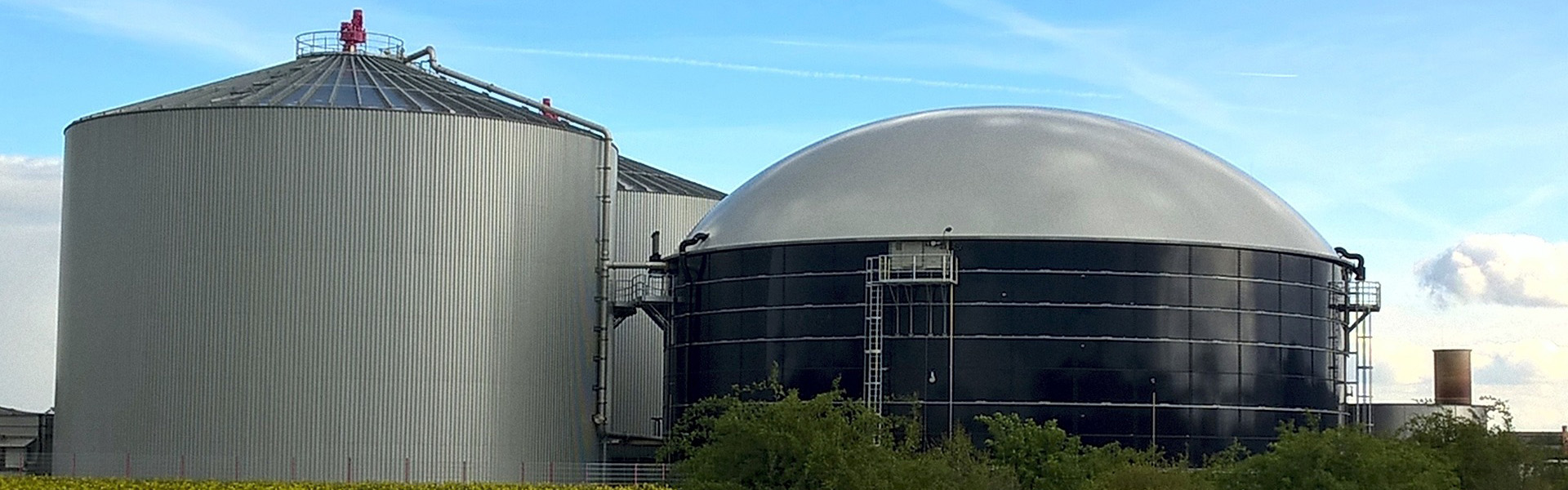
The conversion of organic substrates into high-value biomethane relies on a delicate balance of biological activity and mechanical process design. Industrially, an anaerobic digestion plant serves as a bioreactor system where complex microbial consortia break down carbon-rich feedstocks. This biological transformation occurs in the absence of molecular oxygen, yielding raw biogas, which consists primarily of methane (CH4) and carbon dioxide (CO2), along with trace impurities such as hydrogen sulfide (H2S), moisture, and siloxanes. Converting this raw gas into a pipeline-quality or vehicle-grade fuel requires a precise understanding of both the digestion stage and the subsequent upgrading processes.
To design and operate these facilities with high efficiency, engineering teams must evaluate feedstocks, control digester environments, and integrate robust gas purification technologies. This analysis outlines the primary biochemical pathways, operational parameters, gas conditioning methodologies, and common process challenges encountered in modern industrial biogas facilities.
Biochemical Pathways of Anaerobic Decomposition
The stabilization of organic material within a digester proceeds through four sequential metabolic stages. Each stage is performed by distinct groups of microorganisms that require specific environmental conditions to maintain metabolic equilibrium.
Hydrolysis: Complex polymers, including proteins, carbohydrates, and lipids, are broken down into soluble monomers (amino acids, monosaccharides, and fatty acids) by extracellular enzymes secreted by hydrolytic bacteria. This phase is often the rate-limiting step when processing lignocellulosic biomass or solid municipal wastes.
Acidogenesis: Soluble compounds are absorbed by acidogenic bacteria and converted into volatile fatty acids (VFAs), alcohols, lactic acid, and mineral gases such as carbon dioxide and hydrogen.
Acetogenesis: Acetogenic microbes convert the intermediate products of acidogenesis into acetic acid, carbon dioxide, and hydrogen. This phase is highly sensitive to the partial pressure of hydrogen in the liquid phase; high hydrogen concentration can inhibit the reaction, stopping the degradation of VFAs.
Methanogenesis: Strictly anaerobic methanogenic archaea utilize acetic acid (acetoclastic methanogenesis) or hydrogen and carbon dioxide (hydrogenotrophic methanogenesis) to produce methane. Because methanogens are highly sensitive to pH variations and chemical inhibitors, maintaining stable conditions during this final step is necessary for continuous gas production.
An imbalance between these stages often leads to digester acidification. If acidogenesis proceeds faster than methanogenesis, VFAs accumulate, dropping the pH below the tolerance level of methanogens, which halts methane production entirely.
Parameters for Digestate Control and Feedstock Management
Feedstock composition dictates the methane potential and determines the operational approach of the anaerobic digestion plant. Achieving stable biological conversion requires continuous monitoring of several parameters.
Carbon-to-Nitrogen (C/N) Ratio
The microorganisms in the digester require carbon for energy and nitrogen for cellular synthesis. The optimal C/N ratio for anaerobic systems ranges between 25:1 and 30:1. A high C/N ratio indicates rapid depletion of nitrogen, limiting microbial growth and reducing digestion kinetics. Conversely, a low C/N ratio (excess nitrogen), common in poultry manure and slaughterhouse waste, leads to the accumulation of ammonium ions (NH4+) and free ammonia (NH3). Free ammonia is toxic to methanogens at concentrations exceeding 200 mg/L, depending on temperature and pH.
Organic Loading Rate (OLR) and Hydraulic Retention Time (HRT)
The organic loading rate defines the mass of volatile solids (VS) fed to the digester volume per day (expressed as kg VS/m³·day). The hydraulic retention time represents the average duration the liquid feedstock remains within the reactor. High OLRs reduce the required digester volume but increase the risk of system overload, leading to VFA accumulation. HRT must be carefully balanced to allow complete degradation of the feedstock; typically, mesophilic wet digesters require an HRT of 20 to 40 days, while thermophilic systems can operate at shorter retention times due to accelerated reaction rates.
Temperature Regimes
Anaerobic digesters generally operate under one of two temperature ranges:
Mesophilic (35°C to 40°C): This range offers high process stability, lower thermal energy demands, and a lower susceptibility to ammonia toxicity. It is the standard choice for agricultural and municipal sludge systems.
Thermophilic (50°C to 55°C): Thermophilic digestion accelerates biochemical reaction rates, enabling higher OLRs and shorter HRTs. It also provides effective pathogen destruction, which is beneficial for food waste and sanitation projects. However, thermophilic microbes are highly sensitive to temperature fluctuations and are more susceptible to free ammonia inhibition.
Gas Conditioning and Purification Technologies
Raw biogas typically contains 50% to 70% methane, 30% to 50% carbon dioxide, and varying concentrations of hydrogen sulfide and water vapor. To utilize this gas for injection into natural gas grids or as transport fuel, it must undergo purification to meet clean biomethane standards (typically >97% methane). In an agricultural or industrial anaerobic digestion plant, selecting the correct gas conditioning sequence is vital to protect upgrading membranes and equipment from chemical degradation.
Hydrogen Sulfide Removal
Hydrogen sulfide is highly corrosive to piping, valves, and downstream CHP engines. It must be removed early in the gas treatment sequence. Standard methods include:
Biological Desulfurization: Small amounts of oxygen (2% to 5%) are injected into the digester headspace, allowing aerobic sulfur-oxidizing bacteria (such as Acidithiobacillus) to oxidize H2S into elemental sulfur and sulfates. This is cost-efficient but requires careful dosing to avoid explosive air-gas mixtures.
Chemical Precipitation: Dosing iron chloride (FeCl2 or FeCl3) directly into the digester liquid precipitates dissolved sulfides as insoluble iron sulfide, reducing the concentration of H2S in the gas phase.
Dry Chemical Adsorption: Passing the gas through vessel beds packed with iron oxide pellets or activated carbon. The H2S reacts chemically with the iron oxide or is physically adsorbed onto the carbon pore surfaces. This method is highly effective for polishing gas to low ppm levels.
Carbon Dioxide Separation
Removing carbon dioxide increases the energy density of the gas. The primary commercial technologies used for this process include:
Membrane Separation: This method utilizes polymeric hollow-fiber membranes. Under pressure, carbon dioxide, moisture, and residual H2S permeate through the membrane walls faster than methane, yielding a high-purity methane retentate. Multistage membrane configurations are commonly applied to minimize methane slip below 1%.
Pressure Swing Adsorption (PSA): Using adsorbent materials like carbon molecular sieves, carbon dioxide is adsorbed under high pressure while methane passes through the vessel. The pressure is then reduced to desorb the CO2 and regenerate the adsorbent bed.
Water Scrubbing: This process exploits the higher solubility of carbon dioxide in water compared to methane. Raw gas is compressed and fed into a column where it flows counter-current to water. The carbon dioxide dissolves in the water, which is then sent to a desorption column to release the CO2 and recycle the water.
Mitigating Common Operational Vulnerabilities
Maintaining continuous gas production in an industrial anaerobic digestion plant requires active mitigation of mechanical and biological challenges.
Foaming Events
Foam formation in the digester can block gas output pipes, damage pressure-relief valves, and lead to structural damage. Foaming is often caused by high concentrations of proteins or lipids, rapid temperature fluctuations, or inadequate mixing. To prevent foam accumulation, systems should incorporate mechanical foam breakers, automated anti-foaming agent dosing, and variable-speed mixing systems that prevent localized pockets of high VFA concentration.
Siloxane Accumulation
Siloxanes are organic silicon compounds frequently found in biogas derived from municipal solid waste and wastewater treatment plants. During combustion in CHP engines or boiler systems, siloxanes deposit as silicon dioxide (silica glass) on internal surfaces, causing abrasive wear and component failure. In biogas upgrading systems, siloxanes can foul polymer membranes, reducing separation efficiency. Removing siloxanes requires cooling the biogas to low temperatures to condense siloxanes, followed by filtration through specialized activated carbon beds designed for organic silicon adsorption.
Digestate Solid-Liquid Separation
After digestion, the residual digestate requires dewatering to manage transport volume and nutrient distribution. Screw presses, decanter centrifuges, and rotary drum screens are utilized to split the material into a nutrient-rich solid cake and a nitrogen-heavy liquid fraction. Efficient separation reduces storage capacity requirements and provides clean liquid streams that can be recycled to dilute incoming dry feedstocks, stabilizing the dry matter content of the digester feed.
Industrial Feedstock Optimization in an anaerobic digestion plant
To maximize the yield of biomethane, modern facilities employ co-digestion strategies, mixing primary substrates with secondary organic materials to balance nutritional composition. For instance, combining high-nitrogen animal slurries with carbon-rich crop residues or food waste improves the C/N ratio and stabilizes the pH of the biological environment. However, co-digestion requires precise control over feed rates to prevent organic overloading and mechanical wear.
Pre-treatment technologies can also be integrated to accelerate the hydrolysis stage. Mechanical maceration reduces particle size, expanding the surface area available to hydrolytic bacteria. Thermal hydrolysis, which involves heating the feedstock under pressure followed by rapid depressurization, breaks down cell walls and solubilizes organic fractions, significantly decreasing digestion times and improving digestate dewatering efficiency.
Ensuring System Reliability in a Commercial anaerobic digestion plant
The long-term feasibility of a biogas upgrading facility depends on continuous monitoring and material selection. Highly acidic environments inside the digester headspace and wet biogas transport lines require the use of stainless steel (such as 316L grade) or high-density polyethylene (HDPE) piping. Automated monitoring systems that track the ratio of Volatile Organic Acids to Carbonate Buffer Capacity (FOS/TAC ratio) provide early warning of biological instability, allowing operators to adjust feedstock feeds before acidification occurs.
Furthermore, gas analysis instrumentation must be placed at key stages—before and after upgrading—to measure methane slip, carbon dioxide breakthrough, and oxygen content. This continuous loop of data ensures that upgrading systems maintain gas quality standards required by utility networks while protecting the active bacterial culture within the digester from oxygen toxicity during biological desulfurization.
Inquiry and Engineering Consultation for anaerobic digestion plant Integration
As a manufacturer of gas purification and biogas upgrading equipment, we assist engineering firms, municipal authorities, and project developers in integrating gas processing components. Achieving high methane recovery rates requires custom configuration of separation membranes, moisture removal units, and desulfurization systems tailored to your feedstock profile and daily biogas output.
If you are planning a new biogas development or require modifications to an existing digestion facility, our technical team can review your project parameters. Please submit an inquiry with your current raw gas flow rate, gas composition analysis, and targeted biomethane specifications to receive an engineered process proposal.
Frequently Asked Questions
Q1: What is the impact of free ammonia on anaerobic digestion, and how is it managed?
A1: Free ammonia (NH3) is the unionized form of ammonia, which penetrates microbial cell membranes easily and disrupts metabolic activity, particularly in methanogens. Its concentration increases with higher temperatures and higher pH levels. It can be managed by maintaining a mesophilic temperature regime, diluting high-nitrogen feedstocks with carbon-rich materials, or adjusting pH downward to shift the equilibrium toward the less toxic ammonium ion (NH4+).
Q2: Why must siloxanes be removed from raw biogas prior to upgrading or combustion?
A2: When biogas is combusted, siloxanes are converted into silicon dioxide, a hard ceramic-like material that deposits on spark plugs, valves, and cylinder heads, causing mechanical friction and engine failure. In membrane-based biogas upgrading systems, siloxanes can physically coat and blind the microscopic pores of the separation membranes, reducing gas permeability and upgrading performance.
Q3: How does the FOS/TAC ratio help in monitoring digester health?
A3: The FOS/TAC ratio measures the balance between volatile organic acids (FOS) and the buffering capacity or alkalinity (TAC) of the system. A stable digester typically operates with a ratio between 0.15 and 0.30. An increasing ratio indicates that volatile fatty acids are accumulating faster than the system's natural carbonate buffering capacity can neutralize them, signaling an imminent drop in pH and potential digester failure.
Q4: What are the main differences between mesophilic and thermophilic anaerobic digestion?
A4: Mesophilic digestion operates at 35°C to 40°C, offering stable microbial communities, lower thermal energy inputs, and higher tolerance to feedstock changes. Thermophilic digestion operates at 50°C to 55°C, yielding faster digestion rates, higher methane production per unit volume, and superior pathogen reduction, though it requires precise temperature controls and is more sensitive to chemical inhibitors.
Q5: What is methane slip, and how is it controlled in biogas upgrading plants?
A5: Methane slip refers to the small fraction of methane that escapes with the carbon dioxide waste gas stream during the upgrading process. To control and minimize slip below 1%, systems utilize multi-stage membrane configurations that re-route the permeate gas back through the system or incorporate regenerative thermal oxidizers (RTO) to convert residual methane into water and carbon dioxide before discharge.