


News
We'll get back to you as soon as possible.
4 Core Stages and Operational Parameters of Anaerobic Digestion for Biogas Production
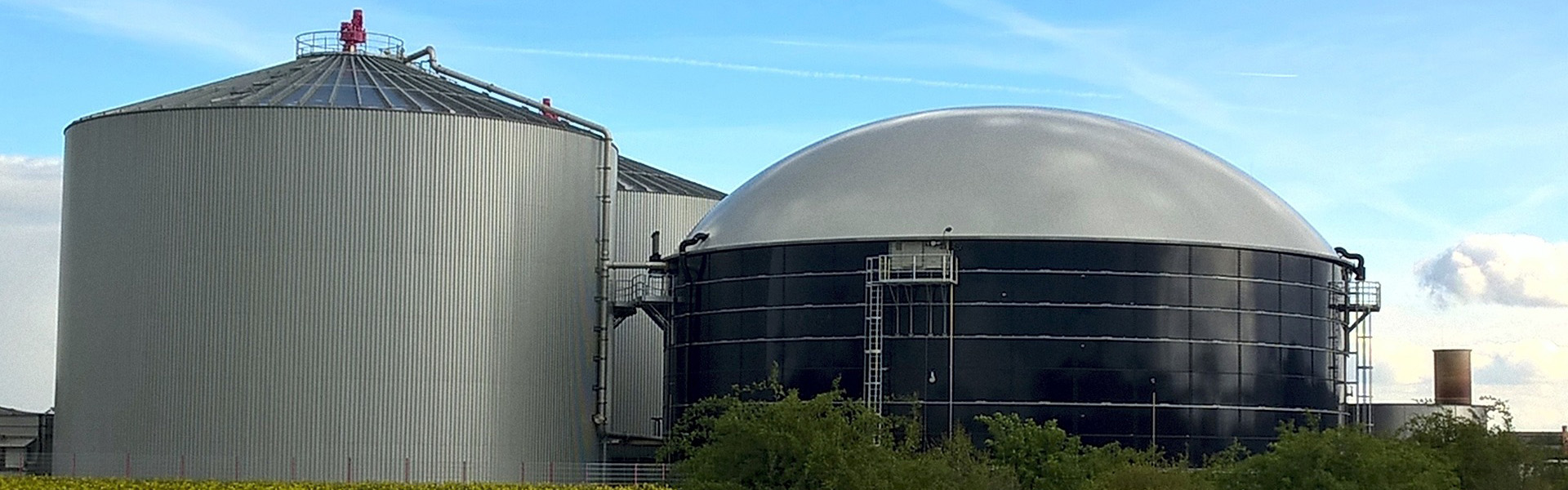
Biochemical breakdown of organic matter under anoxic conditions serves as a foundational technology for modern renewable energy infrastructure and industrial waste management. Implementing anaerobic digestion for biogas production enables municipal facilities, agricultural enterprises, and industrial processors to divert organic waste streams away from landfills while simultaneously generating a versatile fuel source composed primarily of methane (CH4) and carbon dioxide (CO2).
Maximizing process yields and maintaining long-term biological stability requires precise mechanical engineering, careful monitoring of biochemical parameters, and seamless downstream integration. Converting raw biogas into grid-ready biomethane or high-purity vehicle fuel involves managing raw feedstock preparation, microbial population dynamics, and advanced membrane or absorption upgrading units.
The Four-Stage Biochemical Transformation
The conversion of complex organic substrates into methane-rich gas occurs through a sequential four-stage biological metabolic pathway. Specific groups of specialized microorganisms execute each phase, functioning in a syntrophic relationship where the metabolic end-products of one group serve as the primary substrate for the next.
Hydrolysis
Complex insoluble organic polymers—such as proteins, carbohydrates, lipids, and cellulose—must first be broken down into soluble monomers. Extracellular enzymes secreted by hydrolytic bacteria, including cellulases, lipases, and proteases, catalyze this reaction. Hydrolysis represents the primary rate-limiting step when processing feedstocks with high lignocellulosic content due to the recalcitrant nature of plant cell walls.
Acidogenesis
Soluble monomers generated during hydrolysis cross the bacterial cell membranes and undergo fermentative transformation by acidogenic bacteria. This process yields short-chain volatile fatty acids (VFAs), such as acetic, propionic, butyric, and valeric acids, along with alcohols, lactic acid, hydrogen gas, and carbon dioxide. Rapid VFA accumulation during acidogenesis can cause digester instability if the system's natural buffering capacity is exceeded.
Acetogenesis
Acetogenic microorganisms convert the higher-chain VFAs and intermediate metabolic products generated during acidogenesis into acetic acid, hydrogen, and carbon dioxide. This process is thermodynamically favorable only when partial pressure of hydrogen remains extremely low. A harmonious syntrophic association between hydrogen-consuming methanogens and hydrogen-producing acetogens is mandatory to maintain continuous chemical conversion.
Methanogenesis
In the final biochemical step, obligate anaerobic archaea convert acetic acid, hydrogen, and carbon dioxide into methane gas. This stage utilizes two primary metabolic pathways:
Acetoclastic Methanogenesis: Methanogenic archaea (primarily Methanosarcina and Methanosaeta) cleave acetate to form methane and carbon dioxide, accounting for roughly two-thirds of total methane generation in balanced anaerobic systems.
Hydrogenotrophic Methanogenesis: Hydrogen-utilizing archaea reduce carbon dioxide using hydrogen gas as an electron donor to synthesize methane, providing vital operational buffering against high hydrogen partial pressures.
Understanding these biological stages is fundamental when scaling up anaerobic digestion for biogas production within commercial facilities.
Operational Variables Governing Digester Stability
Maintaining high specific gas yields requires strict control over environmental variables inside the digestion vessel. Microorganisms operating within these anaerobic systems demonstrate sensitivity to temperature variations, chemical shifts, and hydraulic residence constraints.
Thermal Regimes: Mesophilic vs. Thermophilic
Anaerobic digesters generally operate within two distinct thermal ranges, each presenting distinct advantages and process trade-offs:
Mesophilic Operation (35°C to 40°C): Mesophilic systems offer greater operational robustness, lower operational energy input requirements, and higher tolerance to rapid environmental fluctuations. The biological community exhibits substantial diversity, resulting in process stability across variable organic loading conditions.
Thermophilic Operation (50°C to 55°C): Operating at elevated temperatures accelerates reaction kinetics, allowing higher organic loading rates (OLR) and shorter hydraulic retention times. Thermophilic conditions also achieve higher rates of pathogen reduction, meeting stringent regulatory requirements for digestate land application. However, thermophilic communities are far more sensitive to temperature swings and free ammonia inhibition.
Feedstock Characteristics and Retention Metrics
The volumetric throughput and mechanical size of digester infrastructure depend heavily on the Hydraulic Retention Time (HRT) and Solids Retention Time (SRT). HRT defines the average period fluid remains inside the reactor, whereas SRT measures the average residence time of biological solids.
Maintaining an adequate SRT prevents the wash-out of slow-growing methanogenic archaea, whose double times can exceed 5 to 10 days depending on system temperature. Balanced continuous-stirred tank reactors (CSTR) typically maintain HRTs between 20 and 40 days, based on feedstock biodegradability and chemical oxygen demand (COD) profiles.
Chemical Balance: Buffer Capacity and VFA/TAC
System stability relies on balancing volatile fatty acid formation against total inorganic carbon buffering capacity (measured as alkalinity). The VFA/TAC ratio serves as an early-warning diagnostic parameter for system health:
VFA/TAC < 0.3: Indicates stable biological performance with adequate alkalinity buffering capacity.
VFA/TAC 0.3 - 0.4: Signals potential process instability; requires close monitoring of feeding rates.
VFA/TAC > 0.4: Represents digester acidification ("souring"), where accumulating organic acids suppress methanogenic activity, leading to process failure if uncorrected.
Additionally, maintaining an optimal carbon-to-nitrogen (C:N) ratio between 25:1 and 30:1 prevents process disruption. Extremely low C:N ratios elevate free ammonia concentration, which selectively inhibits methanogenic enzymes, while high C:N ratios deplete nitrogen reserves required for structural cell synthesis.
Feedstock Pre-Treatment and Reactor Architecture
Maximizing volatile solids (VS) destruction efficiency across varied waste streams often necessitates pre-treating feedstocks before entering anaerobic digestion for biogas production infrastructure. Physical and chemical pre-treatment methods break open complex matrices, increasing available surface area for enzymatic hydrolysis.
Pre-Treatment Approaches
Thermal Hydrolysis Processing (THP): Exposing raw sludges or high-lignin biomass to steam treatment at temperatures between 150°C and 180°C under elevated pressure, followed by sudden decompression (steam explosion), ruptures cellular membranes. This process solubilizes organic matter, decreases digestate viscosity, and increases downstream volumetric loading capacity.
Mechanical Disintegration: Devices such as high-shear macerators, ultrasonic homogenizers, and micro-cavitation units reduce particle dimensions, breaking down fibrous structures and accelerating hydrolytic enzyme contact.
Chemical Conditioning: Alkaline or acid dosing alters lignocellulosic structures, dissolving hemicellulose and expanding access to cellulose fibers for hydrolytic bacteria.
Commercial Digester Configurations
Selecting digester geometry and fluid mechanics depends directly on the Total Solids (TS) content and rheological properties of the feedstock:
Continuous Stirred-Tank Reactors (CSTR): Ideal for low-to-medium solids applications (2% to 10% TS). Submerged mechanical mixers, top-mounted impellers, or continuous gas recirculation loops maintain complete fluid mixing, preventing thermal stratification and solid sedimentation.
Plug Flow Reactors (PFR): Designed for high-solids ("dry") feedstocks (15% to 35% TS). Substrates move horizontally through rectangular channels as a cohesive plug, minimizing short-circuiting and providing distinct reaction zones across the vessel length.
High-Rate Upflow Anaerobic Sludge Blanket (UASB) Reactors: Deployed predominantly for low-solids industrial wastewater streams. Wastewater flows upward through a dense bed of self-granulated anaerobic biomass. These systems decouple HRT from SRT, allowing high volumetric processing rates within small physical footprints.
Downstream Gas Upgrading and Purification Architecture
Raw biogas exiting the reactor dome saturated with moisture typically consists of 50–70% methane, 30–50% carbon dioxide, and minor concentrations of biological contaminants, including hydrogen sulfide (H2S), siloxanes, nitrogen, oxygen, and volatile organic compounds (VOCs). Converting raw gas into high-value biomethane suitable for national gas grid injection or compressed natural gas (CNG) applications requires gas cleaning and upgrading systems.
Contaminant Removal and Gas Pre-Conditioning
Before carbon dioxide separation occurs, trace compounds must be eliminated to protect downstream upgrading media and downstream mechanical compressors:
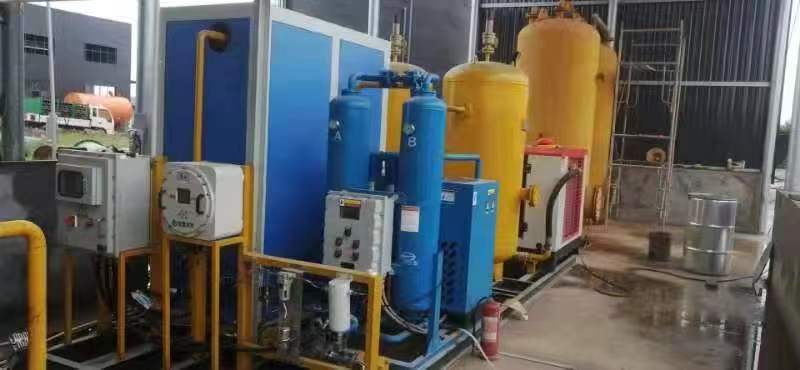
Desulfurization: Hydrogen sulfide is corrosive to gas engines and upgrading membranes. Biological trickling filters, inline iron-sponge media beds, or direct chemical scrubbing reduce H2S levels from several thousand ppm down to operational tolerances (< 5 ppm).
Dehumidification: Chilling units cool gas to force water vapor condensation, protecting desiccant beds and fine particulate filters from liquid fouling.
Siloxane and VOC Abatement: Activated carbon vessels selectively adsorb siloxanes and micro-pollutants, preventing silicon dioxide scale deposits from building up inside thermal appliances or upgrading units.
Primary Carbon Dioxide Separation Technologies
Separating carbon dioxide from methane relies on physical and chemical transport mechanisms. Selecting the correct technical approach depends on raw gas volumetric flow rates, utility availability, and localized operational parameters:
Membrane Separation: Utilizing polymeric hollow-fiber membranes, this process relies on differential gas permeability. Molecules like carbon dioxide, moisture, and hydrogen sulfide permeate through membrane walls rapidly under elevated pressures (8 to 16 bar), while methane gas is retained in the retentate stream, reaching purities above 98%.
Pressure Swing Adsorption (PSA): Gas passes under elevated pressure through vessels packed with molecular sieves or synthetic zeolites. Carbon dioxide molecules adsorb onto the surface of the porous media. Periodic pressure reduction regenerates the adsorbent media, venting the concentrated CO2 tail-gas stream.
Amine Scrubbing (Chemical Absorption): Liquid chemical absorbents, typically aqueous amine solutions (such as monoethanolamine or methyldiethanolamine), bond with CO2 molecules in an absorption column. The rich solvent then flows to a stripper column where thermal energy breaks the chemical bonds, releasing pure carbon dioxide and regenerating the wash fluid.
Water Wash Systems (Physical Absorption): Carbon dioxide exhibits higher solubility in water than methane under high pressure. Pressurized raw gas encounters counter-current water flows inside packed columns, absorbing CO2. The wash water is subsequently depressurized in a flash vessel to strip out absorbed gases.
Integrating highly engineered gas refining systems with efficient anaerobic digestion for biogas production ensures optimal energy retention and minimal methane slip into the atmosphere.
Industrial Applications and Feedstock Adaptability
Anaerobic treatment platforms process a wide range of organic waste streams across industrial, municipal, and agricultural operations. Facility designs adapt to specific physical characteristics and biological chemical oxygen demand (COD) profiles of incoming substrates.
Municipal Wastewater Treatment Facilities: Primary sludges and waste activated sludges undergo digestion to decrease solid waste volumes while producing power and heat for plant operations through Combined Heat and Power (CHP) engines.
Agro-Industrial Food and Beverage Facilities: High-strength effluents from dairies, breweries, distilleries, slaughterhouses, and food manufacturing plants possess elevated concentrations of soluble organic compounds, making them prime candidates for high-rate anaerobic treatment.
Agricultural Residues and Energy Crops: Livestock manure combined with crop residues (such as straw, maize silage, or agricultural wastes) forms stable co-digestion matrices, stabilizing nutrient ratios and maintaining high methane yields per ton of volatile solids.
Organic Fraction of Municipal Solid Waste (OFMSW): Source-separated organic waste from commercial entities and residential collection undergoes dry or wet digestion, converting solid municipal organics into biomethane and nutrient-rich digestate soil conditioners.
Frequently Asked Questions
Q1: How do operating temperature variations impact methane-producing
microorganisms within an anaerobic digestion system?
A1:
Methanogenic archaea exhibit high sensitivity to thermal fluctuations. Rapid
shifts greater than 1°C per day disrupt enzymatic activity, causing volatile
fatty acids to accumulate rapidly. Unstable temperatures alter microbial species
distribution, reduce methane yield, and increase process recovery times.
Q2: What causes anaerobic digester acidification, and how can
operational stability be restored?
A2: Acidification occurs when
acid-forming bacteria produce volatile fatty acids faster than methanogenic
archaea can convert them into methane, dropping fluid pH below functional
limits. Remediation requires immediately reducing organic loading rates,
supplementing buffering capacity using sodium bicarbonate or lime, and
rebalancing ammonium/ammonia equilibrium balance.
Q3: What are the differences between wet and dry anaerobic digestion
systems?
A3: Wet digestion processes handle feedstocks with a Total
Solids (TS) content below 10%, utilizing continuously stirred tank reactors with
mechanical or hydraulic agitation. Dry digestion processes target high-solids
feeds (15% to 35% TS), utilizing plug-flow reactors or garage-style batch
systems requiring less pre-processing water addition.
Q4: Why must siloxanes be removed during raw biogas
treatment?
A4: Siloxanes oxidize during combustion inside boilers,
engines, or thermal oxidizers, forming abrasive silicon dioxide (white quartz
micro-grit) deposits. These crystalline crusts damage engine valves, cylinder
heads, turbine blades, and upgrading membranes, leading to mechanical wear and
system failure.
Q5: How does integrating downstream gas upgrading improve overall
plant efficiency compared to direct power generation?
A5: Upgrading
raw gas into biomethane removes carbon dioxide and impurities, yielding gas that
meets strict pipeline gas standards (>97% CH4). Biomethane can be injected
directly into commercial natural gas networks, liquefied into bio-LNG, or
compressed into bio-CNG vehicle fuel, providing greater operational flexibility
and higher total energy recovery efficiency than standalone stationary CHP
engines.
Engineering Evaluation and Inquiry
Implementing effective anaerobic digestion for biogas production demands customized equipment configurations, careful biological profiling, and advanced gas separation integration. Our engineering team assists facility developers, EPC contractors, and plant operators in selecting ideal digester designs, pre-treatment steps, and membrane or absorption upgrading technologies customized to specific feedstock matrices.
Contact our technical engineering department today to request a complete system evaluation, obtain performance specifications, or discuss custom plant integration requirements for your upcoming project.