


News
We'll get back to you as soon as possible.
Napier Grass Biogas Plant: Engineering High-Yield Anaerobic Digestion for Tropical Agriculture
Agricultural residues and dedicated energy crops form the backbone of distributed renewable energy systems. Among these, napier grass (Pennisetum purpureum) has emerged as a preferred substrate for biogas production in tropical and subtropical regions. A napier grass biogas plant converts this fast-growing C4 perennial grass into methane-rich biogas through anaerobic digestion, while producing nutrient-dense digestate for soil amendment. The integration of napier grass into biogas systems addresses three persistent challenges: agricultural waste management, farm-level energy security, and synthetic fertilizer dependency. This article examines the engineering parameters, operational strategies, and system configurations that determine the economic and environmental performance of these plants, drawing on field data from commercial installations across Southeast Asia, East Africa, and Central America.
Unlike food waste or manure, napier grass presents specific characteristics that influence digester design. Lignocellulosic structure, high moisture content (75-85%), and a carbon-to-nitrogen ratio ranging from 25:1 to 35:1 require pre-treatment and co-digestion strategies to achieve stable methanogenesis. The following sections break down the substrate properties, pre-processing methods, digester types, biogas upgrading pathways, and digestate management practices that collectively define a successful napier grass biogas plant operation.
Substrate Characterization and Biogas Potential of Napier Grass
Napier grass yields between 40 and 80 tonnes of fresh matter per hectare annually, depending on soil fertility, rainfall, and harvesting frequency. This high biomass productivity translates to a theoretical methane potential of 180–250 m³ per tonne of volatile solids (VS). However, actual recovery rates in commercial plants typically range between 55% and 70% of the theoretical maximum, primarily due to lignin encapsulation of cellulose and hemicellulose. The lignin content, which averages 8–12% on a dry matter basis, limits enzymatic hydrolysis during the acidogenesis phase.
Harvesting age directly impacts digestibility. Young napier grass (4-6 weeks regrowth) contains higher protein and soluble sugar fractions, yielding faster volatile fatty acid (VFA) production but also increasing the risk of ammonia inhibition if co-digested with nitrogen-rich materials. Mature grass (8-12 weeks) offers higher dry matter content but requires more aggressive pre-treatment to break down the fiber matrix. Plant operators must balance these trade-offs by synchronizing harvest schedules with digester loading rates. Field observations indicate that a two-stage harvesting system—where 60% of the biomass is harvested at 6 weeks and 40% at 10 weeks—stabilizes biogas production across seasonal variations.
Chemical Composition and Inhibitory Factors
The elemental composition of napier grass (C:H:O:N ≈ 45:6:43:1.2) supports a theoretical biogas composition of 55–58% methane and 42–45% carbon dioxide, with trace hydrogen sulfide. Practical challenges arise from:
Silica content: Accumulates in epidermal tissues, contributing to abrasive wear on chopping equipment and reducing microbial access to intracellular carbohydrates.
Potassium levels: High concentrations (2-3% of dry matter) can raise digester osmotic pressure, potentially inhibiting methanogenic archaea at loading rates above 4 kg VS/m³/day.
Phenolic compounds: Present in low concentrations (0.5-1.2% of extractives), these can temporarily suppress acetoclastic methanogens during start-up phases.
These factors necessitate a pre-treatment stage that physically disrupts the lignocellulose matrix while preserving the readily fermentable fractions. Mechanical chopping to a particle size of 5–15 mm remains the most widely adopted pre-treatment due to its low capital cost and predictable energy consumption (20–40 kWh per tonne of fresh grass).
Pre-Treatment and Feeding Strategies for Napier Grass Biogas Plants
Feeding a napier grass biogas plant with untreated whole-stem material results in poor biogas yields and floating scum layers that block gas release. The industry standard involves a combination of particle size reduction, thermal or chemical pre-treatment, and in some cases, ensiling to preserve biomass quality across harvest windows. Ensiling, which acidifies the grass to pH 4.0-4.5 through lactic acid fermentation, reduces dry matter losses from 15% (field drying) to under 5% while improving VS solubilization by 12–18% in subsequent anaerobic digestion.
Thermal pre-treatment at 70–90°C for 30–60 minutes effectively hydrolyzes hemicellulose without generating Maillard reaction products that inhibit digestion. Data from pilot-scale digesters show that mild thermal pre-treatment increases cumulative methane production by 22–28% compared to untreated controls, with the greatest gains observed during the first 15 days of retention. Chemical pre-treatment using dilute alkali (sodium hydroxide at 2-4% w/w) achieves similar yield improvements but introduces sodium ions that require careful washout or dilution before feeding.
Batch-fed systems with leachate recirculation have demonstrated stable performance with napier grass, particularly when combined with a 20-30% co-substrate of animal manure or food processing waste. The co-substrate provides buffering capacity, trace metals, and a diverse microbial inoculum that accelerates the establishment of syntrophic relationships. Continuous stirred-tank reactors (CSTR) operating at 8-12% total solids require daily feeding rates of 50-100 kg VS per 100 m³ digester volume, with hydraulic retention times (HRT) of 25-35 days to achieve 85% VS destruction.
Digester Configurations and Process Control Parameters
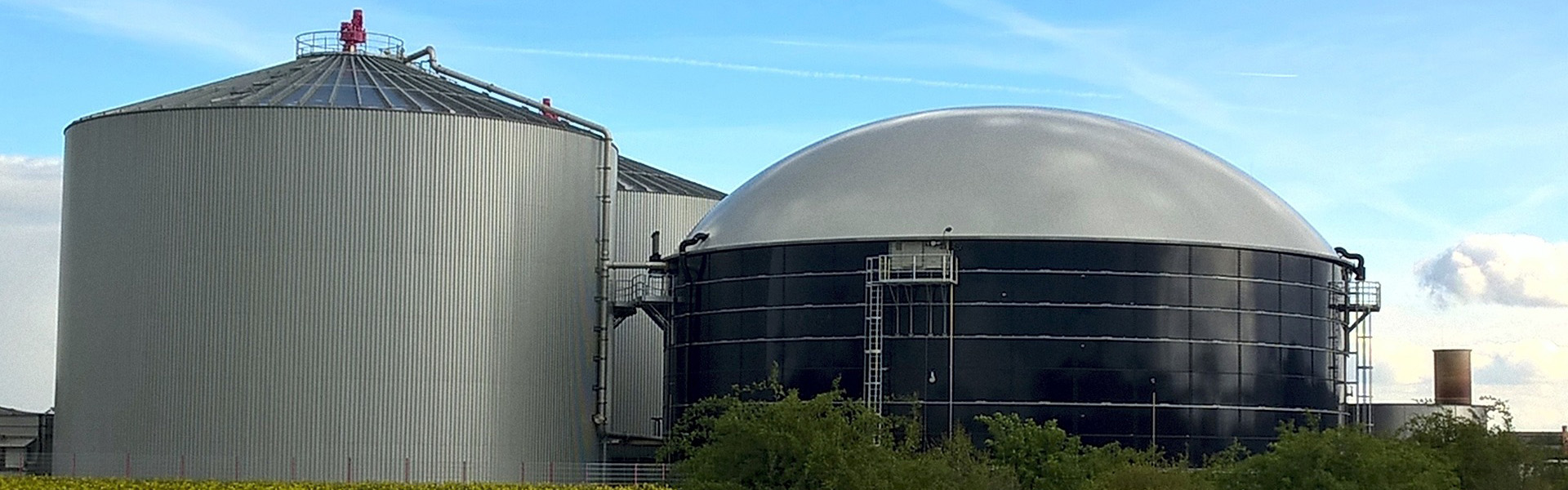
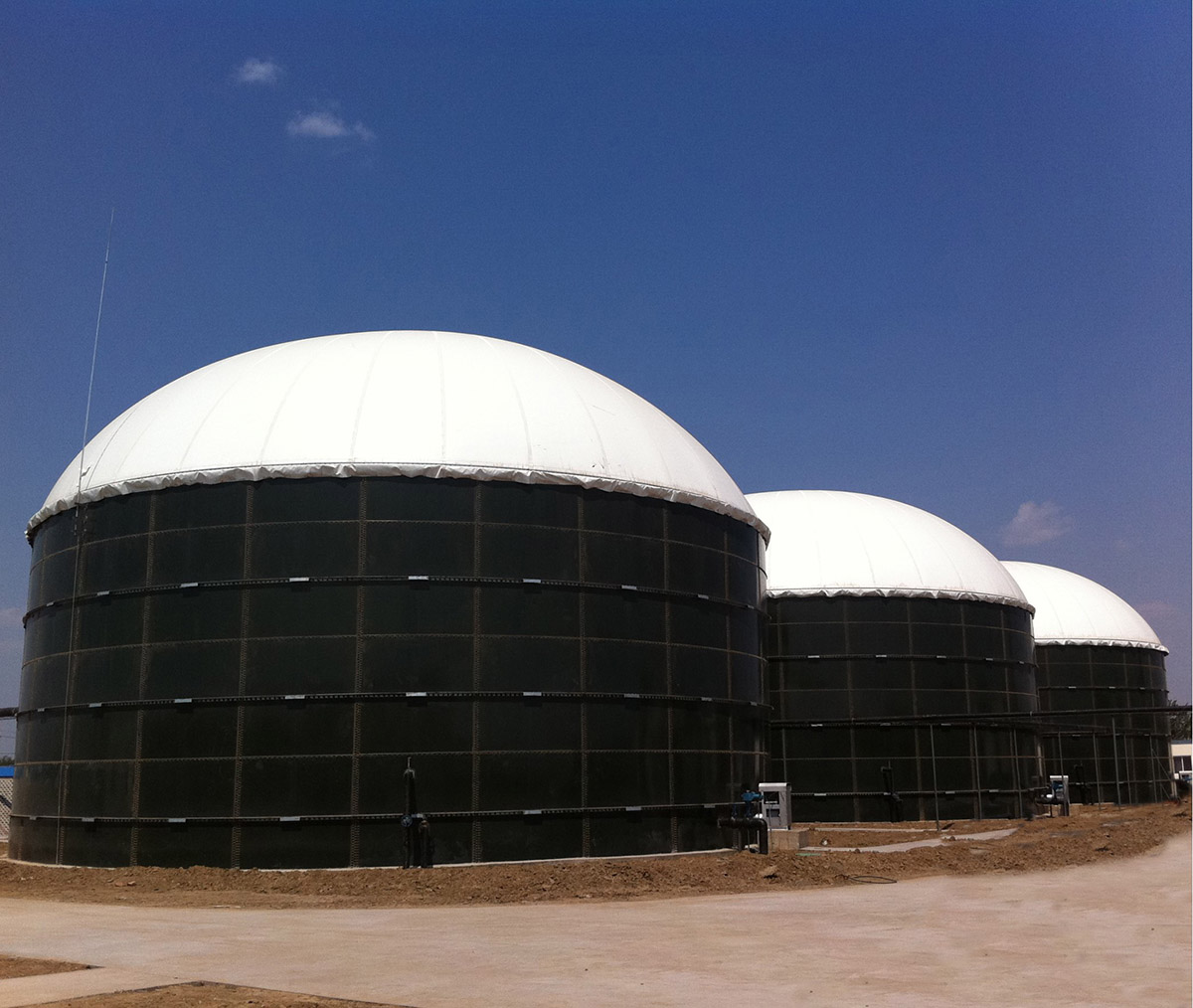
The choice of digester technology for a napier grass biogas plant depends on the scale of operation, available land area, and the desired end-use of biogas. Covered lagoon digesters, commonly used in dairy operations, are unsuitable for napier grass due to their low mixing intensity and inability to handle fibrous floating layers. The following configurations have proven effective in commercial installations:
Two-Stage Leach Bed Reactors
These systems separate hydrolysis/acidogenesis from methanogenesis, allowing each stage to operate at its optimal pH and temperature. The leach bed stage (first stage) operates at 55°C with leachate recirculation, accelerating the breakdown of cellulose into soluble sugars and VFAs. The percolate then flows to an upflow anaerobic sludge blanket (UASB) or fixed-film reactor, where methanogens convert the VFAs to biogas. This configuration achieves VS destruction rates of 78-85% and methane yields of 0.28-0.32 m³/kg VS, outperforming single-stage CSTR systems by 15-20%.
Plug-Flow Digesters with Intermittent Mixing
Horizontal plug-flow digesters (HPFD) with a length-to-width ratio of 3:1 maintain plug-flow conditions while incorporating side-mounted mixing paddles that operate for 10 minutes every 2 hours. This intermittent mixing regime prevents stratification without imposing excessive shear on the microbial consortia. HPFD systems with napier grass and 15% cattle manure (wet basis) achieve stable biogas production at organic loading rates (OLR) of 3.5-4.2 kg VS/m³/day, with pH remaining between 7.0 and 7.6 without external chemical addition.
Temperature Control and Alkalinity Management
Thermophilic digestion (52-55°C) accelerates hydrolysis rates by 30-40% compared to mesophilic conditions, but requires precise temperature control (±1°C) and higher alkalinity reserves to buffer against VFA accumulation. Mesophilic digestion (35-38°C) offers greater process stability with napier grass feedstocks, particularly when the grass contains higher lignin fractions that slow hydrolysis. The buffering capacity, measured as total alkalinity (as CaCO₃), should be maintained at 3,000-5,000 mg/L to prevent pH drops during peak VFA production. Regular monitoring of the VFA-to-alkalinity ratio—keeping it below 0.4—provides an early warning for impending instability.
Comprehensive process monitoring and control parameters for biogas plant operators include daily measurements of pH, VFA, alkalinity, biogas composition, and VS destruction efficiency. These metrics guide decisions on feeding rates, pre-treatment intensity, and co-substrate adjustments.
Biogas Upgrading and Utilization Pathways
Raw biogas from a napier grass biogas plant contains 50-60% methane, 40-48% carbon dioxide, 100-2,000 ppm hydrogen sulfide, and traces of ammonia and siloxanes. The end-use application determines the level of upgrading required. Direct combustion in gas engines for electricity generation requires hydrogen sulfide removal to below 200 ppm to prevent corrosion of engine components. For grid injection or vehicle fuel, the methane concentration must exceed 95%, requiring CO₂ removal through water scrubbing, pressure swing adsorption (PSA), or membrane separation.
Water scrubbing operates at pressures of 8-12 bar, using the higher solubility of CO₂ in water compared to methane to achieve 95-98% methane recovery. The water consumption ranges from 0.5 to 1.5 m³ per 100 m³ of raw biogas, with regeneration energy accounting for 15-20% of the total plant power output. For installations generating over 500 m³ of biogas per day, PSA systems with activated carbon or zeolite adsorbents offer lower parasitic energy consumption (7-10% of gross energy) and shorter start-up times.
Membrane systems, using polyimide or cellulose acetate hollow-fiber modules, provide modular scalability and have demonstrated methane losses below 2% at recovery rates of 95%. The capital cost per m³/hour of upgraded biogas has declined by 30% over the past five years, making membrane-based upgrading a viable option for napier grass biogas plant projects in the 100-500 kW electrical output range.
Digestate Management and Nutrient Cycling
The digestate exiting a napier grass biogas plant retains 85-90% of the nitrogen, 75-85% of the phosphorus, and over 95% of the potassium present in the feedstock, but in plant-available forms. Ammonium nitrogen concentrations in the liquid fraction range from 1,200 to 2,500 mg/L, with a pH of 7.8-8.2, making it suitable for direct application as a liquid fertilizer. The solid fraction, after mechanical dewatering using screw presses or decanter centrifuges, contains 20-25% dry matter and can be composted or dried for use as a soil conditioner.
Operators face two challenges in digestate management: the high application volumes (15-25 tonnes per hectare for liquid fraction) and the potential for ammonia volatilization during storage. Covered storage tanks with gas-tight covers capture residual methane emissions (estimated at 2-5% of total biogas production) while preventing ammonia loss. Separation of the liquid and solid fractions allows targeted application: the liquid fraction is applied through irrigation systems during the growing season, while the solid fraction is stored for off-season soil incorporation.
Long-term studies at commercial napier grass biogas plants indicate that replacing synthetic nitrogen fertilizers with digestate reduces fertilizer costs by 40-60% while maintaining or increasing crop yields, provided that application rates are matched to crop nutrient uptake. This nutrient cycling loop—from grass production to biogas generation to digestate return—closes the material balance and reduces the environmental footprint of agricultural operations.
Operational Challenges and Performance Optimization
Commercial operation of a napier grass biogas plant reveals several recurring challenges that require systematic management strategies. Foaming events, which occur when the surface tension of the digester liquid decreases due to protein degradation, can block gas outlets and reduce effective digester volume. Foam suppression through the addition of 0.5-1.0% vegetable oil (by volume) or silicone-based antifoam agents controls most outbreaks, with periodic defoaming injections triggered by level sensors in the gas headspace.
Floating layer formation, particularly when feeding long-stem particles, creates a crust that insulates the digester and impedes gas release. Daily short-duration mixing (5 minutes per hour) combined with a downward-pumping impeller near the liquid surface maintains particle suspension and reduces crust thickness. In plants where floating layers have become established, the addition of 5-10% diluted digestate to the recirculation loop has been shown to re-disperse the solids through hydraulic jetting.
Trace element supplementation—particularly cobalt, molybdenum, nickel, and selenium—supports the enzyme systems of methanogenic archaea, which require these elements as co-factors for methanogenesis. Natural soil minerals in napier grass provide a portion of these elements, but at high OLR (above 4.5 kg VS/m³/day), additional supplementation at rates of 0.1-0.5 mg/L of digester volume has increased methane yields by 8-12% in controlled trials. The most cost-effective approach involves periodic addition of commercially available trace element blends, with dosing frequencies adjusted based on biogas production trends and VFA profiles.
Integration with Farm Operations and Energy Systems
A napier grass biogas plant does not operate in isolation; its performance is tightly linked to upstream crop management and downstream energy or fertilizer applications. The harvest-to-feeding interval should not exceed 48 hours to minimize dry matter losses and prevent aerobic degradation that consumes soluble carbohydrates. Field choppers capable of reducing grass to a 10-15 mm theoretical cut length at harvest enable direct loading into the digester feed hopper, eliminating a separate processing step and reducing labor costs by an estimated 20-30%.
Combined heat and power (CHP) units, typically spark-ignited gas engines with 35-40% electrical efficiency, produce 0.5-0.7 kWh of electricity per m³ of biogas. The waste heat from the engine's jacket cooling and exhaust gases (at 450-550°C) provides thermal energy for digester heating, pre-treatment processes, and on-farm drying of digestate solids. In tropical climates where ambient temperatures exceed 25°C year-round, the heating demand for mesophilic digesters is minimal, allowing surplus heat to be directed to greenhouse heating or crop drying.
The electrical output from a 500 m³/day biogas plant (equivalent to a 150 kW generator running at 80% availability) supplies 1,000-1,200 MWh annually, sufficient to power 150-200 rural households or support on-farm operations including irrigation pumps, milking machines, and cold storage. This energy independence, combined with the elimination of synthetic fertilizer purchases, creates a compelling economic case for integrating napier grass biogas plants into existing agricultural value chains.
Performance Indicators and Continuous Improvement
Benchmarking the performance of a napier grass biogas plant requires consistent tracking of key indicators. Specific methane yield (SMY), expressed as m³ methane per tonne VS fed, provides the most direct measure of substrate conversion efficiency. Commercial plants consistently achieving SMY above 200 m³/tonne VS typically operate with OLR between 3.0 and 3.8 kg VS/m³/day, mesophilic temperatures, and two-stage pre-treatment including both mechanical and thermal steps. The volatile solids reduction, calculated from the VS content of the feed and digestate, should exceed 75% for sustained operation, with values above 80% indicating effective hydrolysis.
Plant availability—the percentage of time the digester and CHP unit are online—directly affects the financial returns. Availability rates above 92% are achievable with preventive maintenance schedules that include quarterly inspections of mixing mechanisms, semi-annual overhaul of CHP units, and continuous monitoring of gas flow and composition. The integration of remote monitoring systems, which track key process parameters and send alerts for deviations, has reduced unscheduled downtime by an average of 40% across monitored installations.
For plant operators seeking to improve these metrics, regular laboratory analysis of feed, digestate, and biogas composition provides the data necessary for iterative process optimization. Parameters such as cellulose and hemicellulose content in the feed, ammonia concentration in the digestate, and the isotopic signature of the biogas can reveal the dominant methanogenic pathways and guide adjustments to feed composition, retention time, or pre-treatment intensity.
Frequently Asked Questions About Napier Grass Biogas Plants
Q1: What is the minimum land area required to sustain a napier grass
biogas plant with a 100 kW generator?
A1: A 100 kW generator
consuming approximately 350 m³ of biogas per day requires 1,500-2,000 tonnes of
fresh napier grass annually (assuming 55% methane content and 80% generator
availability). With an average yield of 50 tonnes per hectare, the required
cultivated area ranges between 30 and 40 hectares. This estimate includes a
15-20% buffer for harvest losses and seasonal yield variations, making 35-45
hectares a practical planning figure for continuous year-round operation.
Q2: How does napier grass compare to maize silage in terms of biogas
yield per hectare?
A2: Maize silage typically produces 10,000-12,000
m³ of biogas per hectare in temperate climates, while napier grass in tropical
regions yields 12,000-16,000 m³ per hectare from multiple harvests per year. On
a per-tonne VS basis, maize silage (at 30-35% dry matter) yields 200-230 m³
biogas, compared to 180-220 m³ for napier grass (at 20-25% dry matter). The
higher annual productivity of napier grass in tropical conditions compensates
for its slightly lower specific methane yield, resulting in comparable or
superior per-hectare energy output.
Q3: What pre-treatment equipment is essential for a napier grass biogas plant?
A3: Essential pre-treatment equipment includes a
heavy-duty hammer mill or tub grinder capable of reducing freshly harvested
napier grass to a maximum particle size of 15 mm; a buffer silo with
variable-speed auger to maintain consistent feed rates; and in the case of
thermal pre-treatment, a steam boiler or hot water heat exchanger operating at
70-90°C. For plants processing more than 50 tonnes of grass per day, a screw
press for dewatering and a paddle mixer for blending with co-substrates are
recommended to achieve homogeneous feed slurry.
Q4: Can a napier grass biogas plant operate entirely without chemical
additives?
A4: Yes, but stable operation requires careful management
of feed composition and loading rates. Without chemical buffering agents, the
VFA-to-alkalinity ratio must be monitored more frequently, and feed
interruptions or sudden changes in grass quality can lead to acidification. Most
commercial plants use trace element blends (cobalt, molybdenum, nickel) to
support enzyme activity, as these elements are not reliably present in
sufficient quantities from the grass alone. Sodium bicarbonate or hydrated lime
may be added during start-up or shock events, but routine operation often
proceeds without pH-adjusting chemicals when the feed C:N ratio stays within
25:1 to 30:1.
Q5: How is the digestate from a napier grass biogas plant best stored
and applied?
A5: The liquid fraction is best stored in covered
lagoons or tanks with gas-tight covers to capture residual biogas and prevent
ammonia volatilization. A minimum storage capacity of 3-4 months' production
ensures that application can be timed to coincide with crop growth cycles. The
solid fraction, after dewatering, can be stored in open piles covered with a
semi-permeable membrane to maintain aerobic conditions while preventing nutrient
leaching. Application rates for the liquid fraction should not exceed the
nitrogen requirement of the receiving crop, typically 150-200 kg N per hectare
per year, to avoid nitrate leaching. Split applications (two to three per
growing season) improve nitrogen use efficiency and reduce the risk of surface
runoff.
Q6: What are the main causes of digester failure in napier grass
biogas plants?
A6: The primary causes are organic overload (OLR
exceeding 4.5 kg VS/m³/day without corresponding increases in retention time),
ammonia accumulation from co-digestion with high-protein waste, and physical
blockages from fibrous particles that escape the pre-treatment step. Less common
but significant causes include temperature fluctuations exceeding ±2°C over 24
hours, and contamination by herbicides or pesticides used in the grass
production field. Prevention relies on consistent feed quality, regular
monitoring of VFA and alkalinity, and robust mixing that prevents solids
accumulation in the digester.
The engineering principles and operational practices outlined above provide a framework for designing, commissioning, and managing a napier grass biogas plant that delivers reliable energy output while enhancing soil health through digestate recycling. The integration of this renewable energy system into existing agricultural operations reduces dependence on external energy and fertilizer inputs, improving the overall resilience and profitability of the farm enterprise. For project developers, the technical parameters discussed here—from pre-treatment selection to digestate application—form the basis for feasibility assessments and operational planning.
We welcome inquiries from agricultural enterprises, project developers, and engineering firms seeking to implement or optimize napier grass-based biogas systems. Our team provides technical advisory services covering feedstock assessment, digester design, biogas upgrading selection, and operational training. For detailed project evaluations or to discuss your specific requirements, please contact our technical sales team. We will respond with tailored information and relevant reference data to support your project planning.