


News
We'll get back to you as soon as possible.
How Do Leading Biogas Upgrading Companies Design High-Recovery Biomethane Plants?
Transitioning raw biogas into high-purity biomethane requires heavy industrial equipment engineered for continuous gas processing. Raw gas generated from agricultural digesters, wastewater treatment plants, and municipal solid waste facilities contains high concentrations of carbon dioxide alongside impurities such as hydrogen sulfide, volatile organic compounds, and moisture. Specialized biogas upgrading companies design, fabricate, and commission purification systems capable of extracting pipeline-quality biomethane (CH4 > 97%) with elevated methane recovery rates.
Selecting an equipment manufacturer involves analyzing core gas separation mechanisms, pre-treatment capabilities, automation architecture, and mechanical integration standards. A well-engineered plant maintains performance stability under fluctuating raw gas compositions, ensuring continuous compliance with natural gas pipeline entry requirements and Bio-CNG/Bio-LNG compression specifications.
Core Technologies Manufactured by Industrial biogas upgrading companies
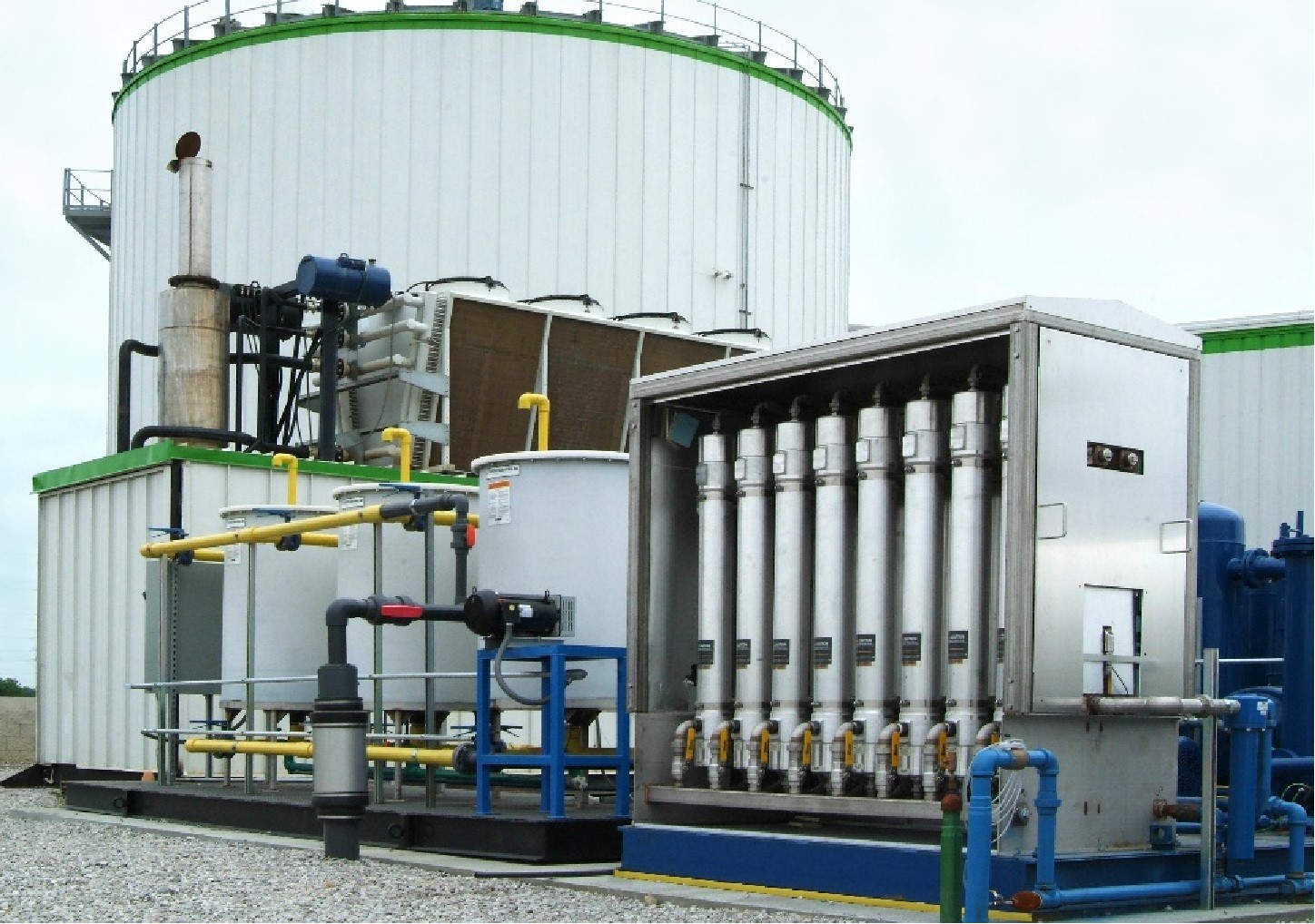
Biogas upgrading systems rely on distinct physical and chemical separation phenomena to remove carbon dioxide from raw methane streams. Leading equipment manufacturers typically specialize in one or more separation methodologies, each matching specific operating conditions and gas volume profiles.
Membrane Separation Systems
Polymer membrane separation operates based on selective gas permeation across hollow-fiber polyimide matrices. Carbon dioxide, water vapor, and hydrogen sulfide have smaller kinetic diameters and higher solubility coefficients than methane, allowing them to permeate rapidly through the fiber walls under differential partial pressures. High-retention biomethane remains in the high-pressure retentate stream.
Industrial manufacturers deploy multi-stage cascade configurations (typically 3-stage or 3-stage with recycle loops) to achieve methane recovery rates exceeding 99.2%. The absence of chemical reagents, compact skid footprints, and rapid startup-shutdown response times make membrane systems a prevalent choice for distributed agricultural and industrial facilities.
Pressure Swing Adsorption (PSA)
PSA systems exploit the selective physical adsorption of carbon dioxide molecules onto porous solid media at elevated pressures (typically 4 to 9 bar). Synthetic zeolites and carbon molecular sieves (CMS) possess pore diameter distributions tailored to capture polar carbon dioxide molecules while permitting non-polar methane to pass unhindered.
A standard industrial PSA installation utilizes multiple adsorption columns operating in sequential cycles: pressurization, adsorption, high-pressure depressurization, vacuum evacuation (VPSA mode), and back-purge regeneration. Progressive gas equalization steps between vessels conserve mechanical energy and enhance overall system efficiency.
Chemical Absorption (Amine Wash Systems)
Amine scrubbing relies on a reversible chemical reaction between carbon dioxide and an aqueous amine solvent, typically monoethanolamine (MEA) or methyldiethanolamine (MDEA). Raw biogas enters the bottom of a packed absorption column where it flows counter-currently against the lean amine solution, reacting to form chemical carbamates.
The CO2-rich solvent passes to a stripping column where thermal energy breaks the chemical bonds, releasing pure carbon dioxide gas through the top while regenerating lean solvent for recirculation. Amine systems deliver high biomethane purity (CH4 > 99%) and near-zero methane slip (< 0.1%), making them suitable for large-scale utility projects with on-site heat sources.
High-Pressure Water Scrubbing (HPWS)
Water scrubbing utilizes the differential physical solubility of gases in water under pressure, governed by Henry’s Law. Because carbon dioxide is significantly more soluble in water than methane at ambient temperatures and elevated pressures (8 to 12 bar), CO2 dissolves into the liquid phase inside an absorption column. The water stream is subsequently directed to a flash column and a stripping column to release the absorbed gas before being chilled and recycled.
Feedstock Pre-Treatment and Impurity Management Systems
Separation media—whether polymer membranes, carbon sieves, or chemical solvents—suffer performance degradation if exposed to raw gas contaminants. Established biogas upgrading companies integrate robust upstream conditioning trains directly ahead of the primary CO2 extraction stage.
Desulfurization: High concentrations of hydrogen sulfide (H2S) cause severe acidification, compressor oil contamination, and membrane degradation. Systems employ biological desulfurization units for bulk H2S reduction down to 100–200 ppm, followed by dry media chemisorption (iron oxide or impregnated activated carbon) to scrub remaining H2S down to levels below 1 ppm.
Moisture and Condensate Removal: Raw biogas emerges from anaerobic digesters at relative humidity. Gas cooling chillers drop the temperature to 3°C–5°C, knocking out bulk water via automatic condensate drains, followed by coalescing aerosol filters and desiccant drying towers to lower the pressure dew point below -40°C.
Volatile Organic Compounds (VOCs) and Siloxanes: Landfill gas and sewage digester gas contain trace cyclic and linear siloxanes that convert into abrasive silicon dioxide (silica) during combustion. Specialized thermal swing adsorption (TSA) units with regenerable activated carbon beds capture heavy hydrocarbons and siloxanes, shielding downstream compressors and membranes.
System Sizing, Turndown Ratios, and Operational Flexibility
Anaerobic digestion facilities experience seasonal and feedstock-driven variations in raw gas production volumes and methane concentrations. Equipment fabricators must design upgrading skids with wide operational turndown capabilities, allowing the plant to modulate throughput between 40% and 110% of nominal design capacity without suffering structural efficiency losses or elevated methane slip.
Variable frequency drive (VFD) compressors combined with multi-bank membrane arrays enable automated staging. When incoming gas flow decreases, automated control valves isolate individual membrane modules to preserve designed space velocity and transmembrane differential pressure across the active separation area. This responsive staging prevents erratic flow velocities and maintains stable biomethane output parameters.
Methane Slip Management and Environmental Compliance
Methane slip refers to unrecovered methane that exits within the off-gas (carbon dioxide) exhaust stream. Limiting methane slip is mandatory for environmental compliance and resource conservation. Leading biogas upgrading companies incorporate dedicated emission mitigation devices into the off-gas treatment train:
Regenerative Thermal Oxidizers (RTO): Oxidize low-concentration methane slip (< 1% CH4) in the off-gas stream into water vapor and carbon dioxide at temperatures between 800°C and 900°C, using internal ceramic heat-retention beds to minimize external auxiliary fuel consumption.
Recuperative Catalytic Oxidizers: Employ precious metal catalysts to convert residual hydrocarbons into inert components at lower operating temperatures (300°C to 450°C).
Secondary Permeate Recycle Loops: Re-route the low-pressure permeate stream from secondary and tertiary membrane stages directly back to the main compressor intake, ensuring total fugitive methane loss remains below 0.5% of total processed gas volume.
Grid Injection Compliance, Wobbe Index Control, and Compression
Upgraded biomethane must comply with stringent national transmission system operator (TSO) or distribution system operator (DSO) specifications before injection into the natural gas grid. Gas quality parameters dictate continuous monitoring of heating value, oxygen content, carbon dioxide limits, and Wobbe Index.
Biogas upgrading equipment packages incorporate on-line process gas chromatographs and laser moisture analyzers integrated with fast-loop sampling lines. If the biomethane deviates from strict quality parameters, an automated three-way reject valve immediately diverts the off-spec gas back to the digester gas holder or raw gas flare, preventing contaminated gas from reaching utility metering stations.
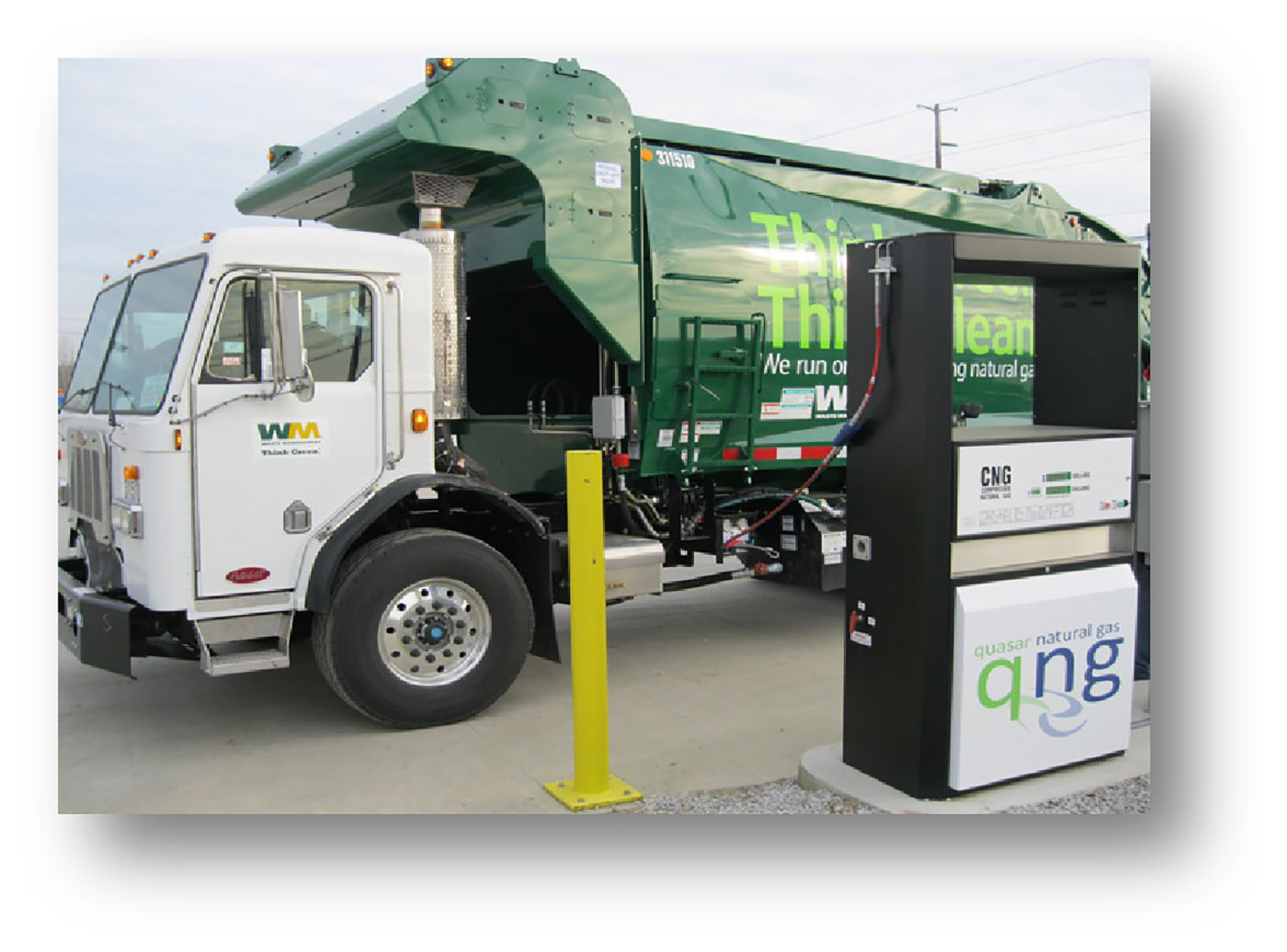
For applications where biomethane is utilized as heavy vehicle fuel (Bio-CNG) or transported via virtual pipelines, high-pressure reciprocating compression skids elevate the purified gas pressure from upgrading delivery levels (typically 6 to 16 bar) up to 250 bar. Integrated buffer storage banks, priority distribution panels, and mass-flow dispensers complete the mechanical fuel dispensing setup.
Engineering Evaluation Criteria for Industrial Procurement
Specifying industrial gas purification equipment requires establishing clear engineering criteria that match project boundary limits. Evaluating biogas upgrading companies involves reviewing fabrication certifications (such as ASME Section VIII, PED, ATEX, and CE compliance), piping and instrumentation diagram (P&ID) maturity, control system architectures (PLC/SCADA with industrial Ethernet protocols), and the availability of responsive field service support.
Plants requiring biomethane production should focus on systems that offer documented availability guarantees (exceeding 96% annual run time), low internal power consumption per normal cubic meter of processed gas, and rugged skid-mounted designs that streamline civil works and on-site integration.
Commercial Plant Configuration and Project Inquiries
Designing a reliable biomethane extraction plant demands tailored engineering calculations matching raw gas flow rates, impurity profiles, and final injection pressure targets. System design dictates everything from pre-filtration stage selections to multi-stage membrane or adsorption column dimensions.
Our manufacturing and engineering teams supply skid-mounted, fully automated biogas upgrading plants, raw gas conditioning skids, and compression stations worldwide. Submit a formal project inquiry with your raw gas volume, gas composition breakdown, and downstream pressure requirements to receive an engineered system layout, mass balance model, and comprehensive specification package from our industrial engineering department.
Frequently Asked Questions
Q1: What are the primary separation technologies supplied by biogas upgrading companies?
A1: The most prevalent industrial technologies
include multi-stage polymer membrane separation, pressure swing adsorption
(PSA), chemical solvent scrubbing (amine wash), and high-pressure water
scrubbing (HPWS). Selection depends on raw gas volume, target biomethane purity,
utility availability, and impurity profiles.
Q2: How do upgrading systems manage high hydrogen sulfide levels in
raw biogas?
A2: Systems implement multi-stage desulfurization.
Upstream biological scrubbers or chemical dosing reduce gross H2S concentrations
down to 100–200 ppm, followed by secondary dry-bed chemisorption using iron
oxide or treated activated carbon to eliminate remaining traces below 1 ppm
before the gas reaches compressors and membranes.
Q3: What methane recovery rate should be expected from modern
upgrading equipment?
A3: Modern multi-stage membrane systems and
advanced amine wash plants achieve methane recovery rates between 98.5% and
99.5%. Incorporating recycle loops ensures that methane slip into the carbon
dioxide exhaust stream is maintained below 0.5% to 1%.
Q4: Why is gas pre-drying and chilling necessary prior to membrane
separation?
A4: Saturated water vapor in raw gas can condense inside
high-pressure lines, leading to liquid carryover that degrades separation
membranes and contaminates compressor lubricants. Chilling the gas to 3°C–5°C
followed by coalescing filtration and desiccant drying lowers the pressure dew
point, ensuring only dry gas reaches the separation elements.
Q5: Can biogas upgrading systems handle fluctuations in raw gas inlet
volume?
A5: Yes. Industrial systems incorporate variable speed drive
compressors and automated module isolation valves that modulate system operation
across a 40% to 110% capacity range, maintaining stable transmembrane pressure
and biomethane quality despite fluctuating digester production rates.