


News
We'll get back to you as soon as possible.
Evaluating the Napier Grass to CNG Plant Cost: Engineering Analysis and Financial Overview
Energy crop digestion has emerged as a reliable pathway for utility-scale compressed biomethane production. Among dedicated feedstocks, Pennisetum purpureum (Napier grass, or elephant grass) provides distinct advantages due to its high per-hectare biomass yield, multi-cut harvesting cycles, and favorable cellulose content. Developing an industrial project requires clear visibility into capital allocation, processing equipment specifications, and continuous operational demands. Determining the total napier grass to cng plant cost involves assessing every phase of execution, from biomass pretreatment and anaerobic digestion to gas purification and high-pressure bottling.
Napier Grass Biochemical Properties and Biomethane Conversion
Napier grass exhibits rapid growth rates, yielding between 40 to 100 green tons per hectare annually depending on regional climate, irrigation methods, and agronomic management. The plant typically contains 20% to 28% dry matter (DM), with organic matter comprising approximately 85% to 90% of total solids. Its lignocellulosic matrix consists primarily of cellulose (35-42%), hemicellulose (20-26%), and lignin (8-14%).
Converting this biomass into biomethane requires biological breakdown within an anaerobic digestion system. Freshly harvested or ensiled grass yields between 80 and 110 cubic meters of raw biogas per ton of fresh weight at 52% to 58% methane concentration, translating to roughly 40 to 55 kilograms of compressed natural gas (CNG) per wet ton. The volatile fatty acid pathways and methane recovery rates directly dictate the dimensioning of digesters, gas holders, and gas treatment lines, creating an immediate impact on baseline engineering expenditures.
High lignin concentrations can limit enzymatic access to embedded carbohydrates. Consequently, physical comminution and moisture control during harvesting alter feedstock biodegradability. When properly managed through mechanical shredding and precise moisture management, hydraulic retention times (HRT) within continuous stirred-tank reactors (CSTR) settle between 35 and 55 days under mesophilic conditions (38°C to 40°C), or 22 to 32 days under thermophilic conditions (52°C to 55°C).
Key Plant Sections Influencing Napier Grass to CNG Plant Cost
Engineering a dependable bio-CNG facility demands integrating discrete mechanical, biological, and chemical process modules. Each subsystem contributes a defined percentage to the primary investment capital.
1. Biomass Logistics, Reception, and Pretreatment Infrastructure
Because Napier grass harvesting occurs periodically while anaerobic digestion runs continuously, silage management is mandatory. Silo bunkers, high-capacity weighbridges, unloading bays, and heavy-duty front loaders form the reception boundary. Mechanical pretreatment equipment includes high-torque multi-shaft shredders, hammer mills, or disc refiners designed to reduce particle sizes below 10-15 millimeters.
Concrete bunker silos for long-term anaerobic storage
Primary shredding and maceration units to expose fiber surfaces
Automated solid biomass feeder hoppers and screw conveyors equipped with load cells
Buffer mixing tanks for recirculated digestate or process water injection
2. Anaerobic Digestion and Gas Containment
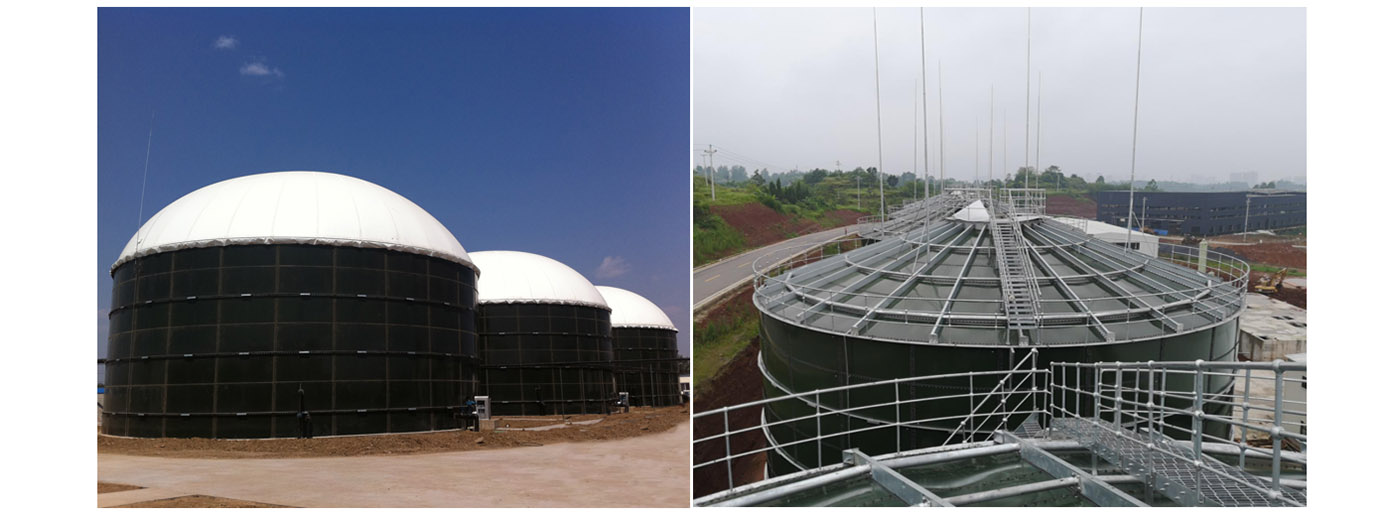
Digester engineering must balance solid loading rates against volatile fatty acid accumulation. Napier grass slurry has a relatively high fiber content that can create surface scum layers and bottom sedimentation if agitation systems are undersized. High-torque submersible mixers, central vertical paddle agitators, or external hydraulic mixing loops maintain uniform temperature distribution and prevent crust formation inside bolted steel or reinforced concrete digesters.
Continuous Stirred-Tank Reactors (CSTR) with insulated cladding and internal heating coils
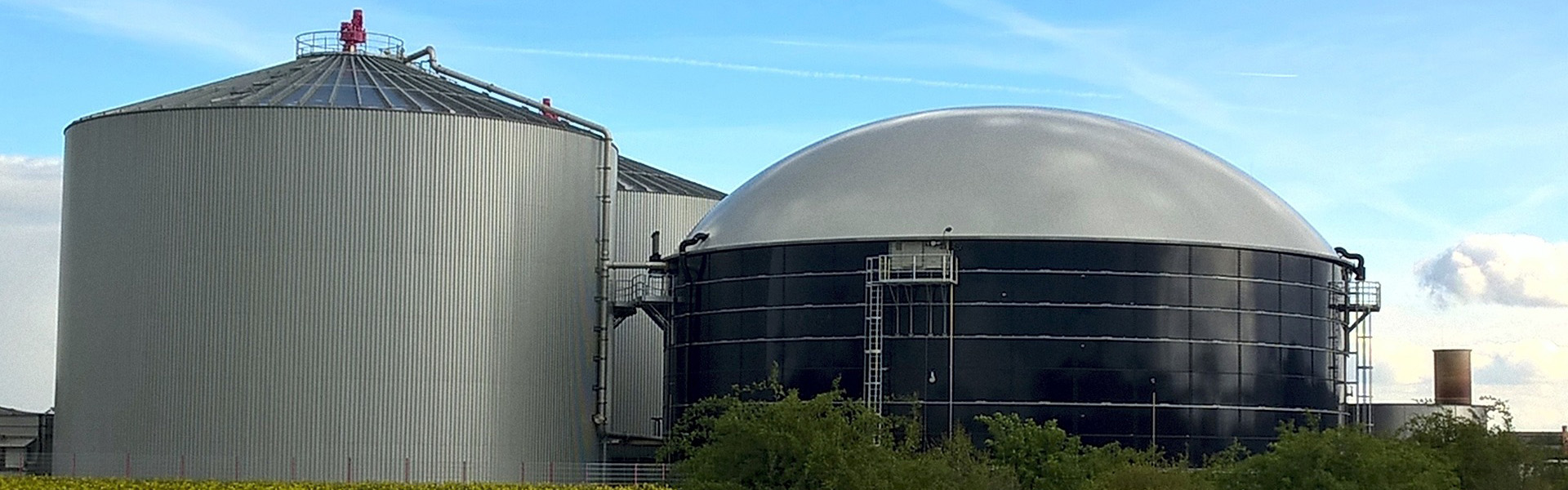
Double-membrane gas storage domes mounted on digesters or standalone gas holders
Emergency flare systems, pressure-vacuum relief valves, and continuous gas monitoring instrumentation
Digestate discharge systems coupled with integrated heat recovery exchangers
3. Biogas Cleaning and Desulfurization
Raw biogas produced from energy crops contains hydrogen sulfide (H2S), moisture, carbon dioxide (CO2), siloxanes, and trace volatile organic compounds. Napier grass digestion generally yields H2S levels between 500 and 2,500 ppm depending on soil sulfur content and fertilizer chemistry. Desulfurization must reduce this load to below 5 ppm before the stream reaches catalytic or membrane elements.
Biological desulfurization units integrated into the headspace or standalone external bio-trickling filters
Chemical scavenging vessels utilizing regenerable iron sponge or solid zinc oxide media
Chilling and condensing refrigeration dryers to drop gas dew points below 4°C
Active carbon polishing filters for the adsorption of residual trace contaminants
4. Biogas Upgrading Units
Upgrading raw biogas into pipeline-grade biomethane (96%+ CH4) requires separating CO2 efficiently. Equipment selection here forms a substantial portion of the overall napier grass to cng plant cost. The three predominant technologies include:
Membrane Separation: Multi-stage polymer hollow-fiber membranes provide high separation efficiency (up to 99% CH4 recovery) with compact footprints, dry operation, and minimal chemical dependencies.
Pressure Swing Adsorption (PSA): Adsorption columns containing carbon molecular sieves cycle between pressurization and vacuum regeneration to strip CO2.
Water or Amine Scrubbing: Physical or chemical absorption systems that wash out acid gases, often chosen for massive flow rates where waste thermal energy is available for solvent regeneration.
5. High-Pressure Compression and Cascade Bottling
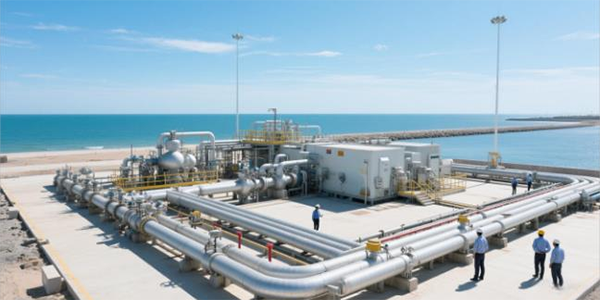
Once biomethane meets automotive purity specifications, multi-stage reciprocating compressors pressurize the gas from delivery pressures (typically 6-12 bar) to standard CNG storage levels (200 to 250 bar). This unit includes inter-stage cooling, oil separation, automated cascading priority panels, and storage cylinder banks or tube trailers for transport logistics.
Project Scale Dynamics and Capital Expenditure Breakdown
Scale dictates unit economic performance. Small facilities processing 50 wet tons of grass per day face higher specific capital burdens per kilogram of output than regional installations handling 300 to 500 tons per day. A typical industrial napier grass to cng plant cost model displays the following typical CAPEX distribution:
Civil Engineering and Site Development (20% - 25%): Excavation, concrete foundations, silage bunker pavements, digester bunds, control rooms, internal access roads, and stormwater drainage systems.
Digestion and Feeding Systems (25% - 30%): Primary and secondary reactors, high-torque agitation networks, thermal insulation, biomass macerators, pumping stations, and biological process monitoring.
Upgrading and Purification Line (18% - 22%): Desulfurization trains, gas dryers, deep filtration, multi-stage membrane or PSA packages, and continuous analytical gas chromatographs.
Gas Compression and Storage (10% - 15%): High-pressure gas compressors, automated priority dispensers, static cascade cylinder skids, or specialized bulk transport trailers.
Electrical, Automation, and Grid Integration (8% - 12%): Central motor control centers (MCC), programmable logic controller (PLC) systems, SCADA platforms, transformers, and standby power generators.
Engineering, Licensing, and Commissioning (5% - 8%): Process design, hazard studies, emissions permitting, regulatory approvals, and system ramp-up supervision.
Operational Expenditure and Parasitic Loads
Long-term viability hinges on controlling daily operational charges. Running an energy-crop-to-CNG facility demands continuous resource management across electrical, mechanical, and agricultural supply chains.
Parasitic Electrical and Thermal Energy Consumption
High-solids digestion requires substantial electrical drive power. Shredders, feed screws, and reactor mixers consume notable energy, alongside the high-pressure compressors driving the upgrading membranes and final bottling cascades. Total electrical demand averages 0.25 to 0.45 kWh per normal cubic meter of processed raw biogas. Thermal energy needs for digester heating are commonly supplied by utilizing waste heat from process gas compression or dedicated biomethane boilers, requiring strict heat exchanger maintenance to avoid fouling from digestate solids.
Nutrient Buffering and Trace Element Dosing
Mono-digesting pure Napier grass can lead to imbalances in the anaerobic digester. The carbon-to-nitrogen (C/N) ratio of grass often exceeds 30:1, while methanogenic archaea perform best at ratios between 20:1 and 25:1. Nitrogen balancing (through co-digestion with manure or chemical urea injection) and micronutrient packages (nickel, cobalt, molybdenum, selenium) must be factored into recurring consumable expenses to ensure enzymatic activity remains stable.
Mechanical Maintenance and Wear Parts
Napier grass absorbs silica from the soil, creating abrasive fibers that accelerate wear on mechanical elements. Macerator blades, feed screw flights, progressive cavity pump stators, and decanter centrifuge scrolls require hard-facing alloys and systematic replacement intervals. Membrane elements in gas upgrading lines have typical lifespans of 5 to 8 years, requiring planned amortization provisions.
Digestate Valorization and Secondary Revenue Streams
Evaluating project returns requires accounting for all outputs generated during biomethane refining. For every ton of Napier grass processed, roughly 850 to 900 kilograms of whole digestate leaves the reactor system. Separating this output into solid and liquid fractions unlocks distinct commercial opportunities:
Solid Organic Fertilizer: High in stabilized carbon, residual phosphorus, and organic nitrogen. When screw-pressed to 25-30% dry matter and matured through composting, it yields commercial-grade bio-fertilizer that replaces fossil-derived chemical inputs in local agriculture.
Liquid Bio-Fertilizer: Clarified liquid contains soluble potassium and ammoniacal nitrogen, creating a closed-loop fertility stream that can be recycled via fertigation lines straight back to Napier grass plantation fields to lower raw feedstock cultivation costs.
Liquid Carbon Dioxide Recovery: Upgrading systems separate high-purity CO2 off-gas. Integrating a dedicated CO2 liquefaction unit allows plants to market food-grade or industrial CO2, converting a process exhaust stream into a secondary income source.
Engineering Sizing Guide for Bio-CNG Equipment
When reviewing the initial napier grass to cng plant cost, matching daily feedstock intake to processing machinery capacity is critical. The following matrix illustrates the relationship between grass tonnage, expected raw biogas flow, and finished bio-CNG generation rates:
Small-Scale Facility (50 Wet Tons/Day): Produces approximately 4,500 Nm³ of raw biogas daily, resulting in 1,800 to 2,200 kg/day of vehicular bio-CNG. Recommended configuration: Two-stage comminution, single mesophilic CSTR digester, compact membrane upgrading skid, single 250-bar compressor station.
Medium-Scale Facility (150 Wet Tons/Day): Generates roughly 13,500 Nm³ of raw biogas daily, producing 5,400 to 6,600 kg/day of bio-CNG. Recommended configuration: Automated continuous feeding bunker, dual CSTR primary digesters with secondary digestate storage, integrated biological desulfurization, three-stage membrane separation, dual reciprocating compression trains.
Utility-Scale Facility (300+ Wet Tons/Day): Yields 27,000+ Nm³ of raw biogas daily, producing upwards of 11,000 to 13,500 kg/day of bio-CNG. Recommended configuration: Multi-line silo intake, high-efficiency thermophilic digestion systems, complete heat recuperation networks, dual upgrading lines with off-gas CO2 recovery, automated cascade filling, and dedicated tube-trailer dispatch terminals.
Engineering Specifications for Turnkey Projects
Developing a dependable bio-CNG installation requires rigorous attention to component durability, process flow automation, and safety interlocks. Selecting process equipment capable of handling high-fiber biomass ensures continuous, round-the-clock throughput with minimal unexpected downtimes. Customized plant layouts must account for local weather variations, seasonal feedstock dry matter shifts, and target biomethane grid or vehicular injection pressures.
To receive an accurate engineering calculation and customized layout based on your exact regional parameters, contact our application specialists. Submit your project requirements, including daily feedstock availability, land area parameters, and planned biomethane off-take mechanisms, to receive a detailed quotation and process design proposal tailored to your commercial objectives.
Frequently Asked Questions
Q1: What is the average raw biogas yield from one ton of fresh Napier
grass?
A1: Fresh Napier grass harvested at 20% to 25% dry matter
yields between 80 and 110 normal cubic meters (Nm³) of raw biogas per ton,
assuming optimal chopping, stable reactor temperatures, and balanced C/N ratios.
This translates to roughly 40 to 55 kilograms of high-purity bio-CNG per wet
ton.
Q2: How does silage preparation affect the operational stability of a
Napier grass digester?
A2: Ensiling Napier grass preserves seasonal
biomass yields through natural lactic acid fermentation, ensuring continuous
feedstock supply year-round. It partially softens lignocellulosic fibers,
accelerating bacterial breakdown inside the digester and reducing the electrical
power required by reactor agitation systems.
Q3: Why is particle size reduction important when digesting grass
feedstocks?
A3: Reducing grass fiber dimensions below 10-15 mm
increases the specific surface area accessible to hydrolytic bacteria. Finer
particles prevent the formation of floating fibrous mats inside the CSTR, lower
mechanical resistance on agitator shafts, and significantly reduce the required
hydraulic retention time.
Q4: Which biogas upgrading technology provides the highest efficiency
for energy crop applications?
A4: Multi-stage polymer membrane
separation systems offer leading efficiency for energy crop digestion, achieving
methane purity levels above 97% with recovery rates surpassing 98.5%. They
operate continuously without liquid chemicals, deliver immediate response to
flow variations, and exhibit low parasitic power demands.
Q5: What are the main methods for balancing the high
carbon-to-nitrogen ratio in Napier grass?
A5: Operators balance high
C/N ratios by co-digesting the grass with nitrogen-rich animal manures, poultry
litter, or food processing wastes. Alternatively, liquid urea or ammonium
sulfate can be introduced directly into the hydrolysis buffer tank to provide
the nitrogen required by methanogenic populations.
Q6: How much digestate is generated per ton of processed
biomass?
A6: Digestion converts roughly 8% to 12% of the total wet
input mass into gaseous products, leaving 880 to 920 kg of digestate per ton of
input. Mechanical dewatering splits this into roughly 150-200 kg of solid
bio-fertilizer cake (at 25-30% DM) and 700-750 kg of nutrient-rich liquid
effluent suitable for closed-loop plantation irrigation.