


News
We'll get back to you as soon as possible.
Industrial Scaling of a Steam Explosion Bio-LNG Production Line for High-Purity Liquid Biomethane
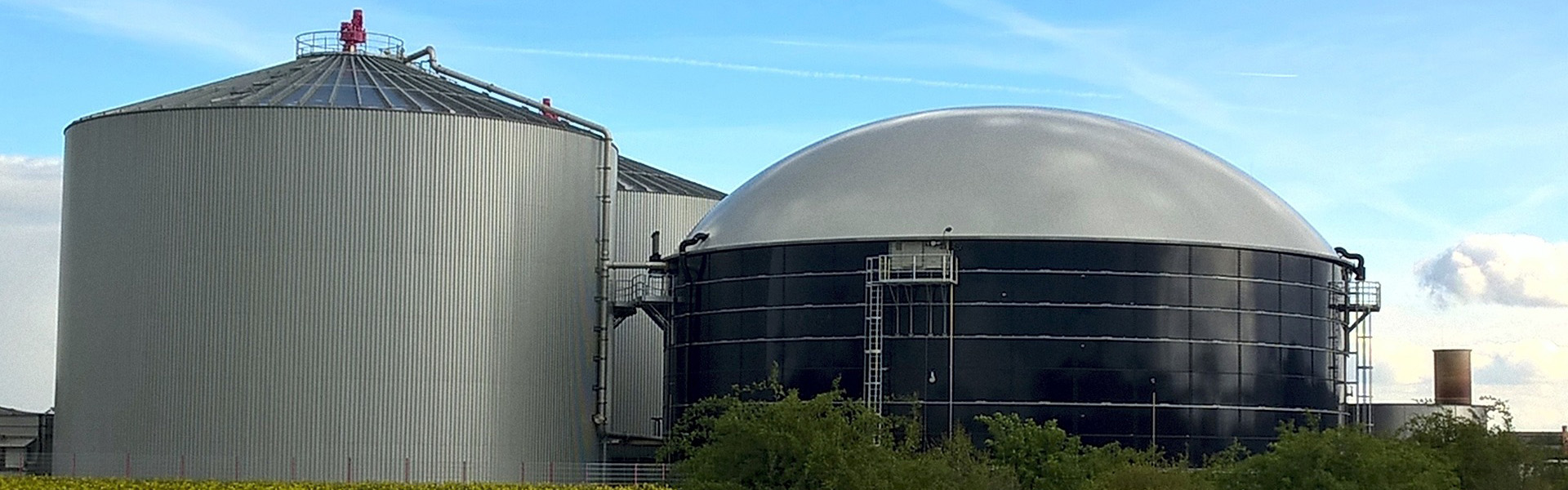
Lignocellulosic feedstocks such as wheat straw, corn stover, bagasse, and forestry residues present structural resistance to biological decomposition. Anaerobic digestion facilities attempting to process these non-food feedstocks face extended retention cycles, severe floating layer formation, and low conversion rates. Integrating an advanced steam explosion bio-lng production line addresses these mechanical and biological limitations by altering the biomass structure prior to enzymatic breakdown, enabling continuous liquefied biomethane manufacture.
Cellular Deconstruction Through Thermal Pretreatment
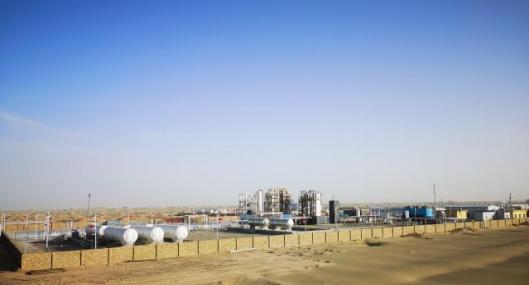
The primary barrier to biological methane synthesis from straw and woody biomass lies within the lignocellulose complex. Cellulose fibers are bound by hemicellulose and encapsulated by a rigid lignin barrier, preventing microbial enzymes from accessing hydrolyzable glucan and xylan polymers. Untreated straw exhibits high hydrophobicity, low bulk density, and recalcitrance to cellulase enzymes, keeping methane conversion efficiencies below industrial targets.
A steam explosion bio-lng production line disrupts this complex through hydrothermal autohydrolysis and violent mechanical decompression. Saturated high-pressure steam infuses the cellular matrix of the feedstock within an enclosed pressure reactor. The system maintains temperatures between 180°C and 230°C at pressures from 1.5 to 2.5 MPa over a predetermined residence duration, typically ranging from 2 to 8 minutes.
During this thermal soak phase, high-temperature water molecules cleave acetyl groups from hemicellulose chains, releasing organic acids that reduce internal slurry pH to approximately 3.2 to 3.8. This acidic microenvironment accelerates the partial hydrolysis of hemicellulose into soluble oligomers and monomeric pentoses. At the exact termination of the holding cycle, a fast-opening discharge valve releases system pressure within milliseconds. The moisture trapped inside the plant capillaries vaporizes instantly, expanding its physical volume by several orders of magnitude. This dynamic shear event rips the cell wall apart, depolymerizes the protective lignin network, and leaves an open, porous structure with high specific surface area.
Integration of Pretreatment and Wet Anaerobic Fermentation
The treated substrate discharges into an expansion receiver where flashed vapor separates from the exploded pulp. Because the physical structure has been unraveled, the bulk density and wettability shift dramatically. Raw agricultural straw floats and forms thick crusts on top of anaerobic digesters, whereas steam-treated pulp sinks and homogenizes within liquid slurries.
Hydrolysis Kinetics Acceleration: The enzymatic digestibility of raw agricultural residues typically increases threefold to fourfold following thermal decompression. Hydrolysis transitions from being the rate-limiting step of anaerobic digestion into a rapid primary conversion phase.
Retention Time Contraction: Digestion units operating downstream of a steam explosion unit run at hydraulic retention times of 18 to 22 days, compared to the 45 to 65 days demanded by untreated lignocellulose substrates.
Floating Layer Elimination: Increased water-binding capacity and fiber collapse stop crust formation completely, protecting agitator drives from mechanical overload and preserving steady hydraulic mixing profiles.
Inhibitor Control: Rigorous tracking of process severity factors limits the generation of furfural, 5-hydroxymethylfurfural (5-HMF), and phenolic derivatives. Operating within balanced thermal parameters prevents these sub-compounds from accumulating to thresholds that arrest methanogenic archaea.
Anaerobic digestion transforms the available chemical oxygen demand (COD) into intermediate volatile fatty acids, followed by acetic acid and carbon dioxide conversion into raw biogas. Because the cellular matrix has been split wide open, specific methane yields climb to 300–350 normal cubic meters per metric ton of volatile solids, establishing the volume baseline required for sustained industrial liquefaction.
Biogas Purification and Upgrading Engineering
Raw biogas produced from exploded agricultural waste exits digestion reactors saturated with water vapor and contaminated by several industrial trace species. Before cryogenic phases can commence, raw biogas requires multistage purification to eliminate compounds that foul catalysts, poison membranes, or freeze out during refrigeration.
A continuous biological desulfurization or dry iron sponge bed removes high-concentration hydrogen sulfide (H2S), bringing values down to less than 20 ppm. The gas enters a pre-purification skid equipped with chillers and moisture separators, condensing the bulk humidity down to 4°C dew points. Particulate filters and active carbon beds remove remaining siloxanes, aromatic hydrocarbons, and trace halides.
The cleaned gas then undergoes complete carbon dioxide separation. In a commercial steam explosion bio-lng production line, this separation relies on either chemical amine scrubbing using aqueous methyldiethanolamine (MDEA) formulations or advanced polymeric hollow-fiber gas separation membranes.
Chemical Absorption Skid: Amine units provide methane recoveries above 99.8% with less than 0.1% methane slip, absorbing carbon dioxide inside structured packing columns under low operating pressures.
Membrane Permeation Skid: Three-stage membrane configurations leverage differential gas permeation rates across selective polyimide materials, producing biomethane purities exceeding 99.2% without process water or chemical consumables.
The dry biomethane leaves the upgrading stage containing less than 1.5% carbon dioxide, below 1 ppm hydrogen sulfide, and zero detectable condensable moisture. This product stream meets transmission standards, ready for the downstream liquefaction train.
Cryogenic Liquefaction into High-Purity Bio-LNG
Liquid biomethane requires the gas temperature to drop below its boiling threshold at corresponding operating pressures, typically around -161°C at atmospheric conditions. Cryogenic operations require absolute cleanliness in the incoming gas feed; carbon dioxide levels must remain strictly below 50 ppm, and water dew points must stay below -70°C to eliminate solid dry-ice formation within microchannel plate-fin heat exchangers.
The biomethane feeds into a molecular sieve temperature swing adsorption (TSA) polishing unit to strip residual traces of water and carbon dioxide. The gas then enters the refrigeration circuit of the steam explosion bio-lng production line, which typically utilizes one of two industrial cooling architectures:
Mixed Refrigerant (MR) Compression Cycle: A tailored thermodynamic mixture of nitrogen, methane, ethylene, propane, and isobutane circulates inside a closed-loop refrigeration compressor. Evaporating at staggered temperature tiers, the mixed refrigerant matches the cooling curve of high-pressure biomethane within a vacuum-brazed aluminum plate-fin heat exchanger (BAHX), keeping thermal dissipation losses low.
Nitrogen Expansion Cycle (Reverse Brayton Cycle): Nitrogen gas is compressed, cooled via water exchanges, and expanded through an oil-bearing or magnetic-bearing cryogenic expander. The sudden pressure drop produces extreme cold streams that liquefy the high-purity biomethane through straightforward countercurrent indirect heat transfer.
Subcooled bio-LNG passes through an end-flash valve into atmospheric storage tanks or pressurized vacuum-insulated vessels. Boil-off gas (BOG) generated during operational holding is re-routed back to the primary liquefaction compressor intake, maintaining zero atmospheric methane venting across standard runtime regimes.
Heat Integration and Plant Thermal Balance
Operating a steam explosion bio-lng production line successfully hinges upon plant balance engineering. The thermal energy required to feed the primary explosion reactor represents a substantial balance-of-plant demand. Raw saturated steam must enter the reactor vessel at steady temperatures and high pressures, demanding continuous utility coordination.
Process steam generation connects to waste heat recovery units placed on the combined heat and power (CHP) installations running auxiliary biomethane, or through dedicated biomass-fired boilers utilizing low-grade local residues. Flash steam exiting the biomass blow tank during decompression passes through direct-contact condensation or shell-and-tube recovery stages, heating the primary anaerobic digestion feed lines and process makeup water.
Compressor heat generated across both the carbon dioxide upgrading stage and the cryogenic liquefaction skid feeds into internal secondary loops. Directing this recovered heat toward administrative buildings, feedstock pasteurization zones, or digester wall heat blankets increases overall thermal efficiency across every season.
Equipment Specifications and Operational Parameters
Reliable continuous manufacturing depends on robust equipment fabrication that withstands cyclic thermal expansions and aggressive organic acid exposure. Key mechanical sections must meet exacting metallurgical profiles:
Reactor Metallurgy: The steam explosion chamber utilizes dual-certified 316L stainless steel, titanium cladding, or 2205 duplex stainless steel to prevent stress corrosion cracking driven by high-temperature chloride and organic acid exposure.
Continuous Feeding Systems: Heavy-duty plug screw feeders compress raw biomass against backpressure plugs, enabling steady material transport into pressurized holding chambers without venting process steam.
Discharge Valve Reliability: Rapid-actuating spherical or rotary discharge valves feature tungsten carbide coatings to endure repeated abrasive impacts from high-velocity biomass particle jets during explosive releases.
Liquefaction Compressor Sets: Multi-stage centrifugal or oil-free reciprocating compressors maintain high availability ratings, fitted with dry gas seal assemblies to stop lubricant contamination within the clean cryogenic fluid paths.
Engineered Procurement and Industrial Deployment
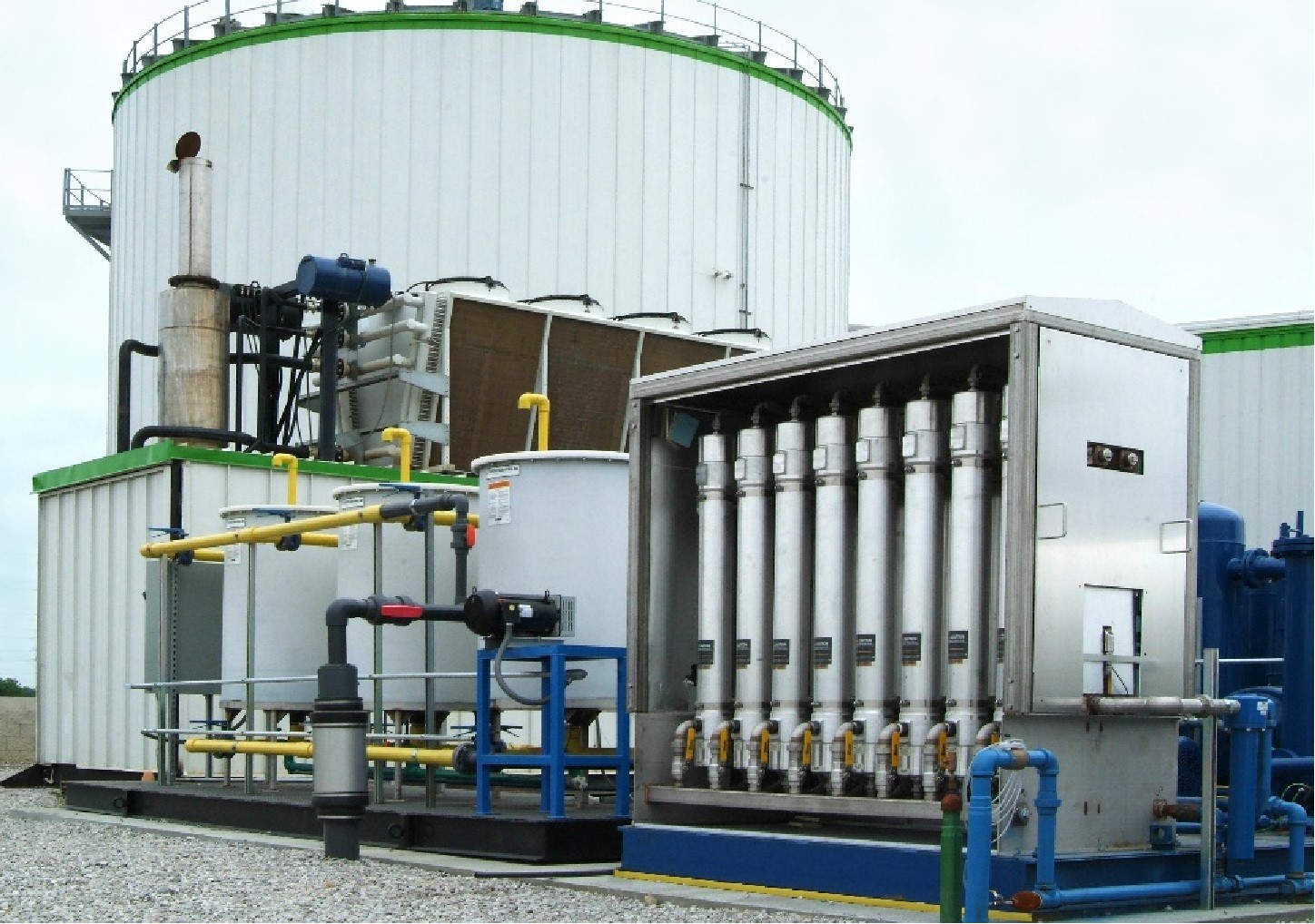
Building a successful steam explosion bio-lng production line requires clear operational alignment between biological digestion models, high-pressure equipment engineering, and low-temperature cryogenic systems. Plant owners must specify incoming agricultural feedstock characteristics, including lignin ratios, moisture content, and silica concentrations, prior to determining the pressure reactor configuration and liquefaction skid layout.
If your project involves the valorization of wheat straw, corn residues, or challenging energy crops into merchantable liquid fuel, detailed process modeling is available. Submit your raw material analyses, targeted daily processing tonnage, and local utility parameters to our engineering team for a system simulation, comprehensive mass-energy balance sheet, and tailored equipment proposal.
Frequently Asked Questions
Q1: What feedstocks perform best in this system?
A1:
Agricultural residues such as wheat straw, rice straw, corn stover, bagasse, and
empty fruit bunches yield the highest biological conversion improvements through
thermal decompression. Softwood and hardwood residues can also be processed,
though they require higher operating severity factors.
Q2: Why is steam explosion favored over mechanical
milling?
A2: Mechanical milling only reduces outer particle size
without modifying internal lignocellulose bonds. Steam explosion breaks down the
chemical matrix, removes hemicellulose barriers, and modifies the crystalline
structure of cellulose, resulting in substantially higher methane generation
rates inside digestion tanks.
Q3: How is carbon dioxide managed after the gas upgrading
stage?
A3: Carbon dioxide separated during the chemical scrubbing or
membrane permeation steps can be vented safely to the atmosphere, or polished
through an auxiliary liquefaction unit to produce commercial-grade liquid carbon
dioxide (LCO2) for industrial, agricultural, or food applications.
Q4: What happens to the wastewater generated during thermal
flashing?
A4: Condensates collected from flash steam recovery
contain dissolved volatile organic compounds and organic acids. This water
recirculates back into the front mixing stations to dilute dry biomass, ensuring
zero liquid discharge while preserving process heat inside the main loops.
Q5: Does the system function safely with volatile gases at low
temperatures?
A5: Cryogenic bio-LNG systems feature comprehensive
instrumented protections, including automatic nitrogen purge circuits,
double-walled containment structures, dynamic vent systems, and multi-tier
relief valves designed according to international standards for cryogenic gas
operations.