


News
We'll get back to you as soon as possible.
5 Architectural Stages of a Modular Biogas Plant for High-Purity Biomethane
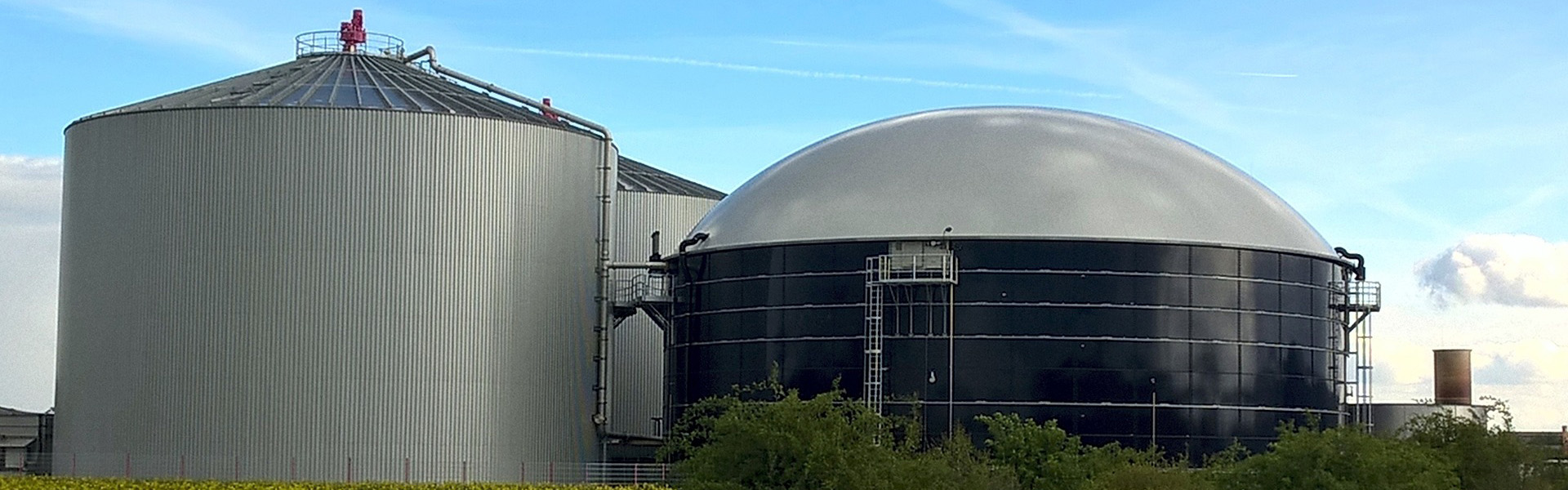
Decentralized energy facilities face mounting operational pressures to convert diverse organic streams into renewable natural gas without lengthy construction timelines. Traditional field-erected digesters demand massive civil works, protracted engineering phases, and extensive ground footprints. In contrast, factory-built skidded assemblies deliver controlled manufacturing quality, accelerated deployment, and predictable biomethane outputs. Deploying a modern modular biogas plant provides industrial developers, agricultural operations, and municipal utilities with an adaptable pathway to produce transportation-grade biomethane or pipeline-spec fuel.
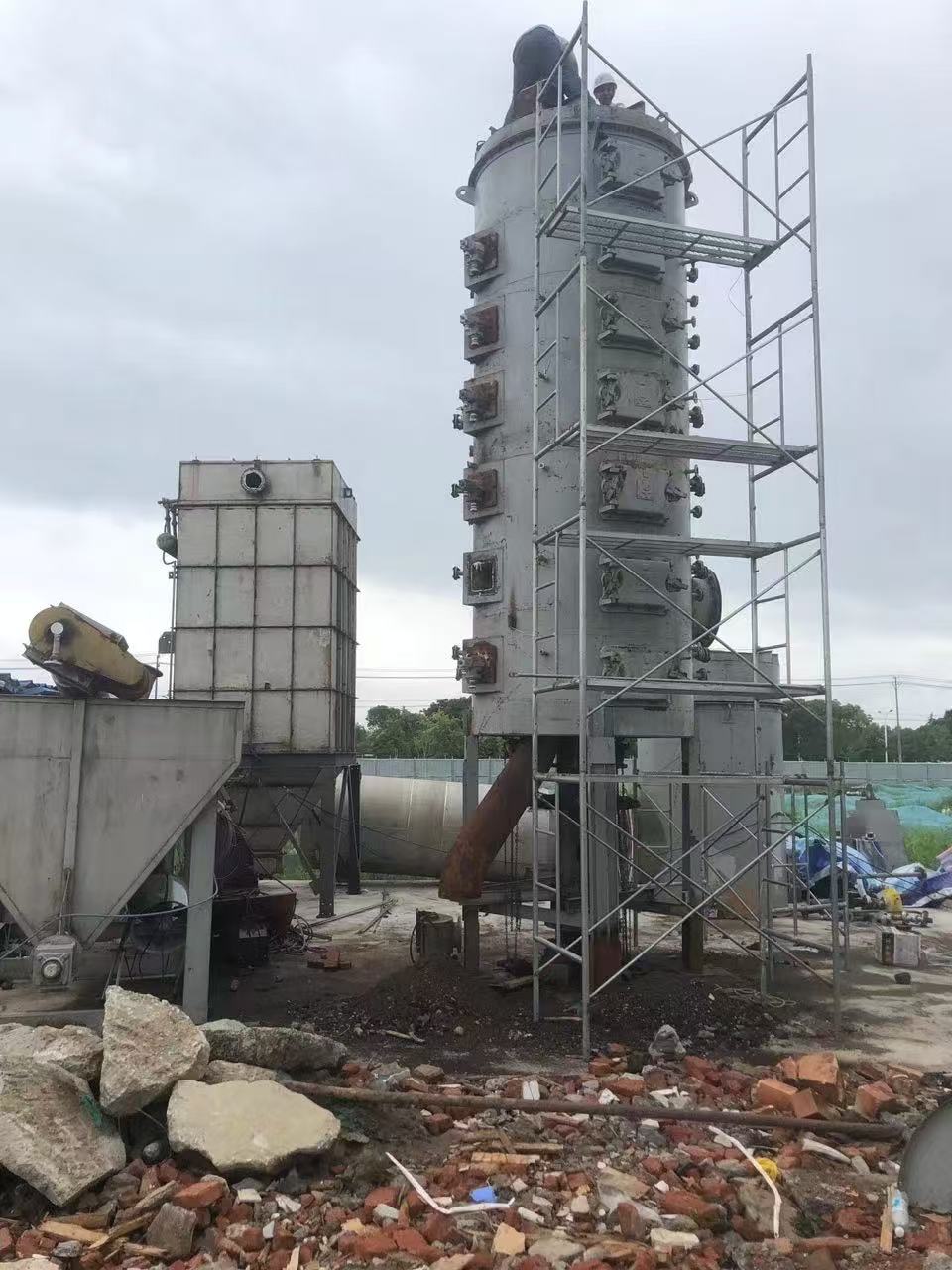
Architectural Overview of Factory-Assembled Digestion and Upgrading Modules
Prefabrication transforms the construction profile of biological gas generation. Rather than pouring massive concrete containment vessels on-site and routing piping amidst fluctuating environmental conditions, modular units arrive at site boundaries pre-piped, pre-wired, and pressure-tested. This approach relies on standard structural footprints—predominantly ISO container frames or structural steel skids—housing discrete sub-assemblies for feeding, heating, biological degradation, gas holding, and upgrading.
Process operations inside a modular biogas plant follow a continuous biochemical sequence within compact boundaries:
Substrate Reception and Maceration: Raw materials such as livestock slurries, food residuals, or agro-processing wastes pass through integrated cutting macerators to homogenize particle dimensions below 12 millimeters, increasing the surface area accessible to hydrolytic bacteria.
Thermophilic or Mesophilic Anaerobic Digestion: Digestion vessels feature internal draft tubes, hydro-mechanical mixers, or external pumped circulation loops that maintain complete mixing without mechanical dead zones. Integrated plate heat exchangers balance biological temperatures within narrow bands, typically 38°C for mesophilic or 55°C for thermophilic operation.
Primary Gas Sweetening: Raw biogas, predominantly consisting of methane (50-65%) and carbon dioxide (35-50%), carries hydrogen sulfide (H2S) concentrations that cause downstream corrosion. Modules combine internal biological desulfurization trickling beds with secondary chemical scavenging beds to lower H2S levels below 50 parts per million prior to upgrading.
Moisture Management and Compression: Chilled-water heat exchangers lower the gas temperature to approximately 4°C, condensing water vapor out of the process stream before multi-stage rotary screw or reciprocating compressors elevate pressures for membrane or adsorption processing.
Gas Cleaning and Upgrading via Integrated Skids
Raw biogas cannot enter commercial distribution grids or vehicle fueling manifolds without rigorous refining. The engineering balance within a skid-based refining unit centers on separating carbon dioxide from methane molecules while mitigating fugitive slips into the atmosphere. Hollow-fiber polymeric membrane separation represents the prevailing standard within modular architectures due to its lack of chemical consumables, physical compactness, and responsiveness to variable flow volumes.
Membrane systems leverage the principle of selective permeation. Under operating pressures ranging between 10 and 16 bar, gas species diffuse through thin polyimide hollow fibers at rates governed by their kinetic diameters and chemical affinities. Carbon dioxide, water vapor, and remaining trace H2S permeate rapidly across the polymer matrix into an off-gas stream. Methane, exhibiting a larger kinetic diameter, remains retained within the high-pressure bore of the fiber.
Multi-Stage Membrane Permeation Flow
Standard installations utilize two-stage or three-stage cascade loops to balance recovery and purity. In a representative three-stage membrane configuration, the retentate from the first stage feeds directly into a second polishing module, producing biomethane with purity exceeding 97% to 99% CH4. The permeate from the second stage, containing residual recoverable methane, recycles upstream into the suction side of the primary compressor. The permeate from the primary stage routes to an auxiliary thermal oxidizer, eliminating methane slip below 0.1% to conform to strict atmospheric discharge directives.
Gas Conditioning Matrix
Prior to high-pressure membrane separation, the crude gas passes through an integrated polishing matrix. Coalescing filters strip micro-droplets of oil aerosol and particulate down to 0.01 microns. Temperature-controlled guard beds loaded with non-regenerative iron-sponge or virgin extruded activated carbon strip organosulfurs, siloxanes, and halogenated hydrocarbons. Protecting the selective skin layer of the membrane fibers from volatile silicon compounds guarantees predictable permeability curves throughout operational lifespans exceeding 40,000 continuous run hours.
Substrate Dynamic Response and Process Automation
Decentralized biogas operations encounter variable feedstock diets, moving from high-moisture dairy manure to seasonal agricultural crops or lipid-rich processing effluents. A resilient modular biogas plant integrates programmable biological feeding algorithms paired with continuous instrumentation loops to buffer against biological shock loading.
Automated digestion platforms continually measure oxidation-reduction potential (ORP), volatile fatty acid to total inorganic carbon (FOS/TAC) ratios, and slurry pH. When feeding heavy organic concentrations, the distributed control system (DCS) throttles variable-frequency positive displacement feed pumps, introducing recycled liquid digestate to dilute volatile organic solids within safe biological thresholds. This automated buffer mechanism stops acidification events before methanogenic archaea become inhibited.
Real-time gas chromatography analyzes methane, carbon dioxide, oxygen, and moisture concentrations every few minutes. If process parameters drift—such as unexpected oxygen ingress through substrate collection manifolds—the plant architecture automatically diverts off-spec gas through pneumatic diverter valves to an emergency enclosed safety flare. This mechanical interlock isolates high-value membrane materials and protects downstream injection interconnects from exposure to off-spec fuel.
Site Engineering, Deployment Timelines, and Infrastructure Integration
Standard civil implementations for conventional digestion plants demand twelve to twenty-four months of intensive on-site construction, structural formwork, and electrical conduit routing. By shifting structural fabrication, assembly, pipe spooling, and electrical wiring into a managed factory environment, deployment timelines contract to a fraction of traditional capital projects.
Factory Acceptance Testing (FAT) allows complete functional verification before units ship to location. Technicians subject skid assemblies to hydrostatic pressure trials, helium leak checks, high-voltage loop testing, and dry operational simulations of the safety program code. Upon delivery via standard low-bed transport trailers, site contractors set the structural frames onto basic reinforced concrete slab foundations. Field hookups restrict themselves to flanged process fluid ties, electrical power feeds, clean instrument air lines, and high-speed data connections.
Integrating a modular biogas plant within operational industrial locations yields operational synergy:
Wastewater Treatment Co-Location: Directly processing municipal or industrial biological sludges reduces solid disposal burdens while generating the process heat required to sustain digester temperatures via combined heat and power (CHP) or thermal boilers.
Agricultural Virtual Pipelines: Farms lacking immediate access to gas transmission pipes utilize modular compression and drying skids to load clean biomethane into high-pressure tube trailers (Type IV composite cylinders at 250 bar) for trucking to central injection hubs.
Food Processing Facilities: On-site installations convert organic processing scrap directly into pipeline gas, displacing incoming natural gas purchases and eliminating external hauling logistics.
Structural Standards, Safety Systems, and Hazard Management
Gaseous environments require uncompromising adherence to structural, mechanical, and safety design criteria. Equipment skids conform to international explosive atmosphere designations, including ATEX Zone 1 and Zone 2 directives, alongside NFPA standards for gas processing installations. Structural frames utilize epoxy-coated or galvanized structural steel sections engineered to withstand transport accelerations, seismic events, and heavy industrial wind shear loadings.
Ventilation systems within closed container modules run continuously, providing high air change rates per hour to eliminate localized gas pooling. Optical flame detectors, infrared hydrocarbon sensors, and toxic H2S detectors wire directly into a fail-safe SIL-rated safety PLC. In the event of confirmed leak detection, the system initiates an instantaneous, automatic cascade: process isolation valves shut, the primary feed pump trips, mechanical purging fans accelerate to maximum extraction velocity, and venting loops route hazardous gas safely to the thermal destruction flare.
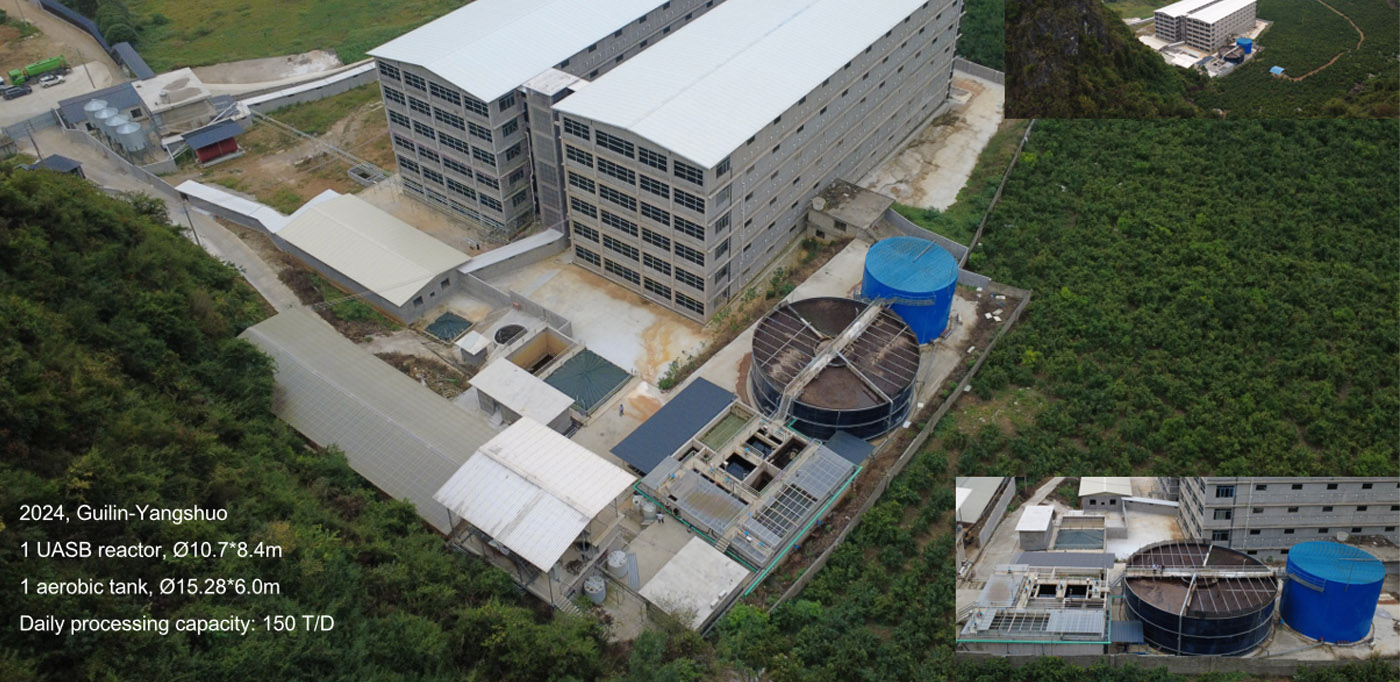
Engineering Consultation and Customized Plant Sizing
Transitioning from concept to commissioned operational output necessitates a meticulous matching of substrate composition, target gas throughput, and mechanical footprint constraints. Every biological feedstock exhibits distinct biochemical methane potential (BMP) profiles that determine vessel volumes, hydraulic retention times, and gas sweetening loads. Precision engineering avoids undersized purification components or oversized, inefficient compressor stages.
Our engineering division designs, manufactures, and integrates skidded gas upgrading assemblies and complete modular anaerobic architectures calibrated to exact site criteria. Submit your feedstock parameters, laboratory substrate assays, or daily target methane volumes to our engineering specialists to receive a comprehensive mass-energy balance profile and skid layout design.
Frequently Asked Questions
Q1: What is the average footprint requirement for a complete skidded
system?
A1: Structural footprints depend on throughput, but a
typical industrial upgrading module handling 500 to 1,500 Nm3/h of raw biogas
fits within two standard 40-foot container platforms alongside external vertical
vessels. The digestion skids expand proportionally according to required
retention times, typically occupying less than a quarter of the land area
consumed by equivalent traditional earth-banked or field-cast concrete
digesters.
Q2: How do factory-built units handle high hydrogen sulfide (H2S)
concentrations?
A2: Systems process high sulfur loads via a layered
sequence. Coarse H2S reduction occurs through biological desulfurizers or
air/oxygen dosing directly inside the digester vapor zone. Downstream, the
modular biogas plant routes raw gas through active biological trickling filters
followed by temperature-stabilized dry chemical adsorption media, safeguarding
membrane systems even when processing feedstocks generating over 5,000 ppm
H2S.
Q3: Can these systems operate continuously in extreme ambient
climates?
A3: Module enclosures feature fully insulated exterior
sandwich panels (polyurethane or mineral wool cores) combined with integrated
HVAC and internal heat recovery systems. Operating in sub-zero environments
requires heat tracing on all wet condensate lines and automated glycol heating
circuits, while desert installations incorporate closed-circuit evaporative
coolers and specialized enclosure shading configurations.
Q4: What is the typical life expectancy of membrane upgrading
components?
A4: Hollow-fiber membrane modules operate effectively
between five and eight years under stable operating conditions. Lifespan relies
on strict adherence to front-end gas conditioning standards, ensuring moisture,
particulate, lubricating compressor oils, and siloxanes are thoroughly removed
prior to the gas contacting the separation polymers.
Q5: How does modular architecture accommodate future production
expansion?
A5: Parallel scalability is an intrinsic benefit of
skidded engineering. Facilities can scale operations by mounting secondary
digestion vessels, additional gas conditioning skids, or secondary membrane
banks directly alongside running equipment. The integrated supervisory controls
adapt to distributed additions with minimal changes to core mechanical
assemblies.