


News
We'll get back to you as soon as possible.
Why Select a Modular Anaerobic Digester for Decentralized Biomethane Production?
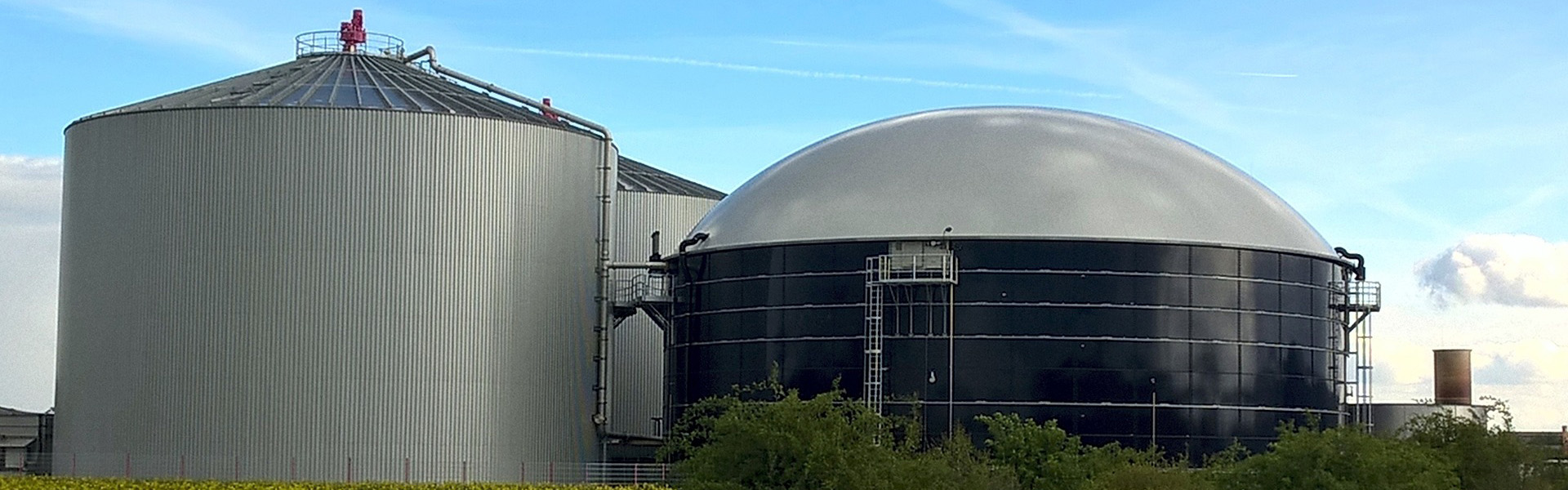
Decentralized biogas recovery systems are transforming waste-to-energy pathways across agricultural, industrial, and municipal sectors. Conventional cast-in-place concrete digesters often encounter site-specific construction challenges, extended civil schedules, and fixed volumetric limits that hinder future adjustments. Deploying a modular anaerobic digester resolves these spatial and logistical hurdles by transitioning the fabrication of biological reactors and ancillary subsystems into controlled factory environments. This standardized, containerized approach creates predictable biomethane yields while shortening deployment timelines across industrial waste treatment installations.
Mechanical Configuration of the Skid-Mounted Modular Anaerobic Digester
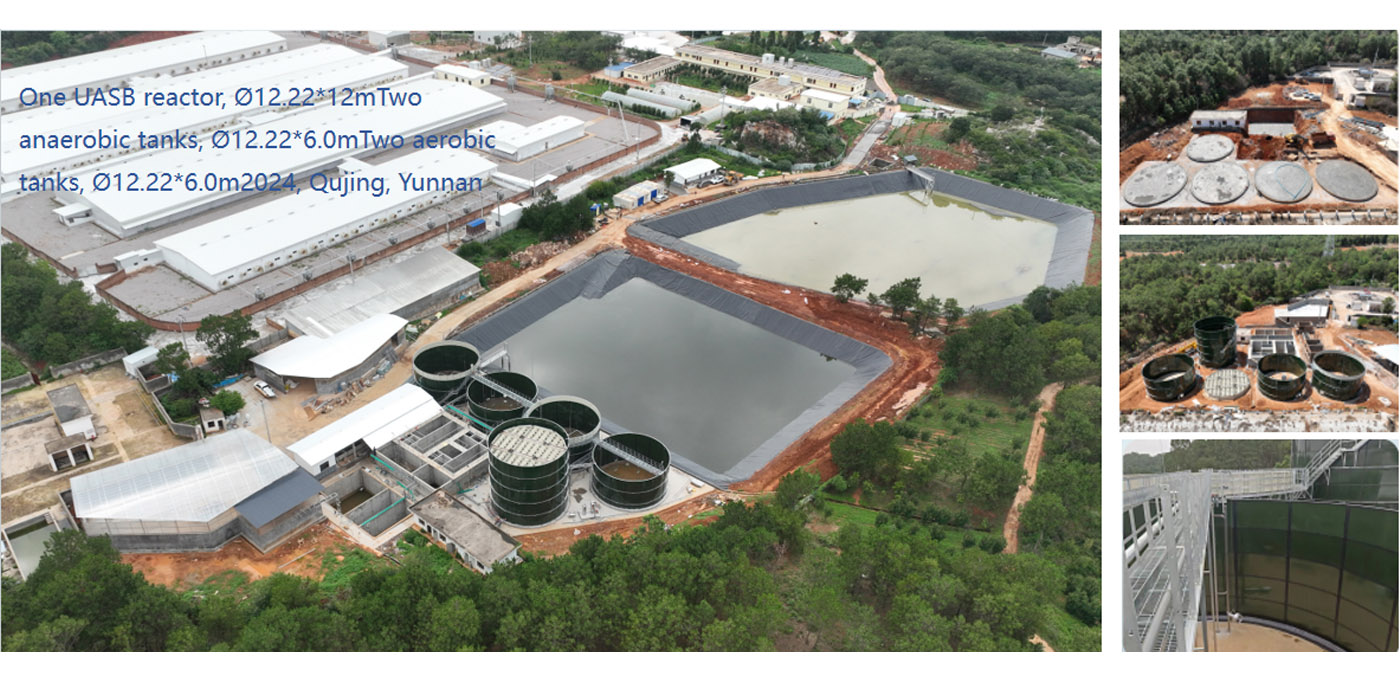
The structural framework of an engineered modular anaerobic digester relies on prefabricated containment vessels and plug-and-play process skids. Unlike field-poured concrete tanks, these units leverage structural stainless steel (typically AISI 304 or AISI 316L) or glass-fused-to-steel panel designs. Each unit arrives on site fully assembled with internal fluid transfer networks, gas collection manifolds, and thermal regulation components integrated into a standard shipping footprint.
Digestion Vessels: Factory-welded cylindrical units or high-durability rectangular container modules coated with corrosion-resistant polyurethane layers engineered to withstand sour biogas environments containing concentrated hydrogen sulfide.
Thermal Regulation Skids: Internal dimple jackets or external counter-current shell-and-tube heat exchangers driven by hot water circuits from combined heat and power units or thermal boilers, maintaining core liquor temperatures within tight mesophilic (37°C to 40°C) or thermophilic (52°C to 55°C) bands.
Mechanical Agitation Systems: Sealed top-entry low-speed agitators or multi-angle submersible mixers with double mechanical seals that distribute feedstock evenly, prevent thermal stratification, and avoid crust formation without venting headspace gas.
Process Piping and Valving: Schedule 40 or Schedule 80 stainless steel pipe runs equipped with automated pneumatic knife gate valves, non-return valves, and progressive cavity feed pumps managed via central automation.
Factory fabrication eliminates unpredictable weather-related assembly delays, welding imperfections, and concrete curing variances. Pre-testing pneumatic lines, hydrodynamic integrity, and telemetry before site delivery guarantees that the primary vessel functions reliably immediately upon connection to regional infrastructure.
Biochemical Kinetics and Process Equilibrium in Compact Volumes
Operating high-throughput biological degradation in factory-built reactors requires strict management of biochemical reaction stages: hydrolysis, acidogenesis, acetogenesis, and methanogenesis. Volume limitations demand heightened volumetric methane productivity (m³ CH₄/m³ reactor volume/day) compared to sprawling lagoons or over-dimensioned agricultural digesters.
Maintaining stable volatile fatty acid to alkalinity ratios (FOS/TAC below 0.3) proves central to preventing process acidification. In continuous stirred-tank reactor (CSTR) modules, organic loading rates must be continuously balanced against the maximum substrate utilization rates of methanogenic archaea (primarily Methanosarcina and Methanosaeta species). High-solids modular units feature multi-stage processing, mechanically separating the rapid hydrolytic acidification phase from the slower, sensitive methanogenic stage.
Physical decoupling of hydraulic retention time from solids retention time preserves active methanogenic biomass inside the digestion matrix. Integrating membrane bioreactor assemblies or media-bed retention modules allows biological consortia to proliferate without risk of cell washout during peak volumetric loading. Continuous optical monitoring of ammonia-nitrogen and oxidation-reduction potential ensures that system operators can make micro-adjustments to slurry recirculation rates before organic imbalances disrupt gas generation.
Integration with Downstream Purification and Biomethane Upgrading
Crude biogas produced within an anaerobic environment contains methane (50% to 65%), carbon dioxide (35% to 50%), water vapor, trace siloxanes, and corrosive hydrogen sulfide. Transforming this untreated output into pipeline-specification renewable natural gas (RNG) or bio-compressed natural gas (bio-CNG) requires clean biological gas extraction. Integrating a modular anaerobic digester directly with modular downstream gas treatment equipment creates a continuous purification train.
Raw gas exiting the headspace dome passes through a integrated treatment corridor:
Biological and Chemical Desulfurization: Coarse desulfurization occurs within the digestion vessel using controlled micro-aeration, followed by dedicated external dry-bed iron sponge absorbers or biological trickling filters that reduce H₂S concentrations below 5 ppm.
Moisture Separation and Chilling: Gas refrigeration units knock out condensable moisture down to a pressure dew point of 3°C to 5°C, preserving downstream adsorbent layers.
Volatile Organic and Siloxane Polishing: Regenerative or sacrificial activated carbon vessels eliminate heavy hydrocarbons and siloxanes, preventing abrasive silicon dioxide scaling in downstream compression machinery.
Membrane Separation Skids: High-selectivity polyimide hollow-fiber membranes fractionate carbon dioxide from the methane stream through multi-stage selective permeation, yielding biomethane purities exceeding 99% with methane slip maintained below 0.5%.
Skid-mounted integration ensures that piping manifolds, pressure relief valves, and instrumentation loops between digestion modules and biomethane upgrading units align seamlessly. This eliminates diameter mismatches and pressure drop irregularities across the entire production facility.
Substrate Versatility and Feedstock Pretreatment Configurations
Feedstock variance remains an ongoing mechanical challenge within anaerobic digest operations. A modular anaerobic digester handles distinct biochemical feedstocks through specific front-end conditioning skids designed around physical particle size, solids percentage, and chemical composition.
Agricultural Residues and Livestock Slurries
Dairy manure, swine slurry, and crop straws possess varying total solids (TS) profiles. High-fiber substrates require pre-maceration through inline twin-shaft grinders to reduce particle dimensions below 12 mm. This physical surface area expansion accelerates enzymatic hydrolysis and prevents pump impellers from binding under heavy fibrous loads.
Food Waste and Source-Separated Organics
Municipal organic streams and commercial food processing wastes carry elevated lipid concentrations and volatile solids ratios. These waste fractions undergo automated depackaging followed by high-temperature pasteurization skids (70°C for one hour) to satisfy veterinary and hygiene regulations. Hydrodynamic cavitation or thermal hydrolysis units can be installed immediately upstream of the digestion vessel to disintegrate complex grease structures, accelerating volatile solids destruction and augmenting overall biomethane yields.
Industrial Wastewater Streams
High-chemical-oxygen-demand (COD) effluents from breweries, distilleries, and dairy processors require high-rate anaerobic configurations, such as internal circulation or upflow anaerobic sludge blanket modules. These compact units decouple organic processing capacity from footprint restrictions, permitting large-scale organic load reductions within constrained industrial plots.
Scalability Frameworks: Parallel Train Deployment
Industrial facility planning frequently requires incremental capacity expansion rather than unutilized upfront capacity. The modular paradigm allows project developers to match current waste throughputs while leaving an engineered pathway for parallel train expansions as feedstock collection expands.
A single master automation system running on modern programmable logic controllers (PLCs) oversees distributed digestion modules. Utilizing industrial protocols such as Profinet, Modbus TCP, or Ethernet/IP, operators track parameters across every module from a centralized human-machine interface (HMI). Parameters monitored include:
Differential pressure across the membrane gasholder roof.
Volumetric feeding rates measured via electromagnetic flowmeters.
Multi-point thermal mapping via high-precision RTD probes.
Gas composition analysis via continuous non-dispersive infrared (NDIR) and electrochemical sensors.
When daily processing demands surpass existing capacity, engineers duplicate the core reactor module alongside existing infrastructure. Shared civil pads, unified electrical motor control centers (MCC), and common digestate dewatering centrifuges integrate these expansion modules without shutting down ongoing methane generation.
Digestate Separation and Nutrient Partitioning
Post-digestion management dictates the environmental and operational footprint of biogas operations. The effluent discharged from a modular anaerobic digester retains high nutrient concentrations, comprising ammoniacal nitrogen, orthophosphates, and stabilized residual carbon.
Integrated solid-liquid separation units—such as automated horizontal decanter centrifuges or low-energy screw presses—partition the raw digestate stream:
Solid Phase: A fibrous cake with dry matter content between 25% and 35%, suitable for composting, soil amendment, or thermal drying into pelletized organic fertilizer.
Liquid Phase: A clarified effluent stream loaded with soluble nitrogen and potassium. This liquid can be returned to upstream feedstock blending tanks to control input slurry viscosity, routed to industrial wastewater treatment networks, or processed through ultrafiltration and reverse osmosis to generate clean process water alongside concentrated liquid nutrient fertilizers.
Standardizing digestate handling skids preserves containment integrity throughout the operational lifecycle, preventing unchecked nutrient runoff and maintaining environmental compliance across sensitive agricultural and industrial zones.
Engineering Inquiries and System Specification
Establishing an industrial biomethane processing project requires thorough engineering analysis of feedstock rheology, biological kinetics, and downstream purity requirements. Specifying a modular anaerobic digester tailored to local biological loads demands an evaluation of daily organic loading, biomethane conversion potential, heat balances, and spatial constraints.
For custom engineering layouts, detailed process flow diagrams (PFDs), piping and instrumentation diagrams (P&IDs), or gas upgrading equipment specifications, submit your biological and site data to our technical engineering department for an evaluation of your project requirements.
Frequently Asked Questions
Q1: What are the main operational differences between a concrete digester and a modular anaerobic digester?
A1: A modular anaerobic digester is manufactured off-site in controlled conditions using corrosion-resistant alloys, arriving with pre-tested mechanical, thermal, and electrical subsystems. Concrete digesters are constructed entirely on-site via intensive civil engineering programs, requiring lengthy curing periods and structural leak mitigation. Modular systems reduce on-site deployment schedules, minimize surface footprints, and provide mechanical flexibility for future parallel train expansions.
Q2: How does the system manage cold-weather operation without thermal collapse?
A2: The reactor exterior features high-density closed-cell insulation jackets protected by heavy-gauge weather-resistant cladding. Internal heating circuits or external shell-and-tube heat exchangers constantly recirculate digestate against hot water sources, governed by automated PID controllers that continuously monitor multiple core temperature sensors to prevent thermal variations.
Q3: What specific maintenance procedures are required for internal agitation systems?
A3: Maintenance routines focus on mechanical seals, gearbox lubricant monitoring, and motor vibration signatures. Top-entry agitators are equipped with accessible service brackets, allowing operators to inspect, repack, or replace seals externally without needing to de-gas the digestion vessel or interrupt active methanogenesis.
Q4: Can a modular anaerobic digester process multiple mixed feedstocks concurrently?
A4: Yes, co-digestion of varied substrates (such as cattle manure mixed with food processing wastes) is achieved by adding upstream equalization and blending skids. Automated dosing regulates carbon-to-nitrogen (C:N) ratios and incoming pH, protecting the downstream anaerobic bacteria from sudden biochemical variations.
Q5: How is biological stability preserved if daily feedstock delivery ceases temporarily?
A5: The automated control system enters a low-load or recirculation mode, maintaining internal thermal regulation and intermittent agitation while reducing or pausing fresh feeding. Anaerobic consortia, particularly acetoclastic methanogens, can survive prolonged starvation periods of days or weeks under stable temperatures, allowing rapid resumption of biogas production once feed streams are restored.