


News
We'll get back to you as soon as possible.
How Does a Manure Biogas Plant Convert Livestock Slurry into Pipeline-Spec Biomethane?
Agricultural operations generate immense volumes of wet manure and slurry daily. If managed through open storage lagoons or basic spreading, these residues lose volatile compounds directly to the atmosphere while creating acute odor challenges. From an industrial perspective, raw animal manure represents an underutilized energy source characterized by high water content, active microbial communities, and digestible volatile solids. Establishing a dedicated manure biogas plant provides a closed-loop biochemical system that captures methane, refines it to industrial gas specifications, and stabilizes residual organics into concentrated biofertilizers.
Operating an industrial-scale anaerobic digestion facility on livestock waste requires balancing biological parameters with mechanical processing machinery. Variations in animal diet, bedding materials, and water flush schedules create fluctuating substrate profiles that must be conditioned before entering the main digesters. Designing a reliable facility depends on selecting the right vessel architecture, keeping retention times precise, stripping out corrosives, and integrating gas separation membranes capable of delivering high-purity biomethane.
Biochemical Kinetics and Substrate Characterization in Manure Digestion
Livestock manure differs substantially across animal species, demanding tailored biochemical modeling prior to vessel sizing. Bovine manure generally enters the plant with a total solids (TS) concentration between 6% and 12%, containing higher amounts of undigested lignocellulosic fibers from ruminant diets. Swine slurry is characterized by lower total solids (typically 3% to 7%) alongside elevated concentrations of ammoniacal nitrogen. Poultry litter contains high total solids (often exceeding 25%) and exceptionally high organic nitrogen levels, which can suppress methane-producing microbes if left undiluted.
Anaerobic degradation follows four discrete biological steps:
Hydrolysis: Complex polymers, carbohydrates, and lipids are broken down by hydrolytic enzymes into soluble monomers such as amino acids, glucose, and fatty acids.
Acidogenesis: Acidogenic bacteria transform these monomers into volatile fatty acids (VFAs), alcohols, carbon dioxide, and hydrogen.
Acetogenesis: Acetogens convert the intermediate volatile fatty acids into acetic acid, hydrogen, and carbon dioxide, establishing the immediate precursors for gas generation.
Methanogenesis: Strictly anaerobic methanogenic archaea consume acetic acid (acetoclastic methanogenesis) or hydrogen and carbon dioxide (hydrogenotrophic methanogenesis) to produce methane (CH4) and carbon dioxide (CO2).
Maintaining stable operation within the primary digestion tanks requires strict control over intermediate biological indicators. The ratio of total volatile fatty acids (FOS) to calcium carbonate equivalent buffer capacity (TAC), known as the FOS/TAC ratio, must remain between 0.2 and 0.4. If loading rates spike, volatile fatty acids accumulate faster than methanogenic archaea can consume them. This drops the slurry pH below the optimal 6.8 to 7.4 window, inhibiting methanogen enzymes and leading to process souring.
Nitrogen management is equally vital. Free ammonia nitrogen (FAN), which is in temperature- and pH-dependent equilibrium with ammonium ions (NH4+), diffuses freely across microbial cell membranes, altering intracellular proton balances. When operating a manure biogas plant on high-nitrogen manures like poultry or swine slurry, maintaining ammonia concentrations below 200 mg/L of free ammonia ensures continuous microbial reproduction without cell disruption.
Digester Vessel Architecture and Mechanical Agitation
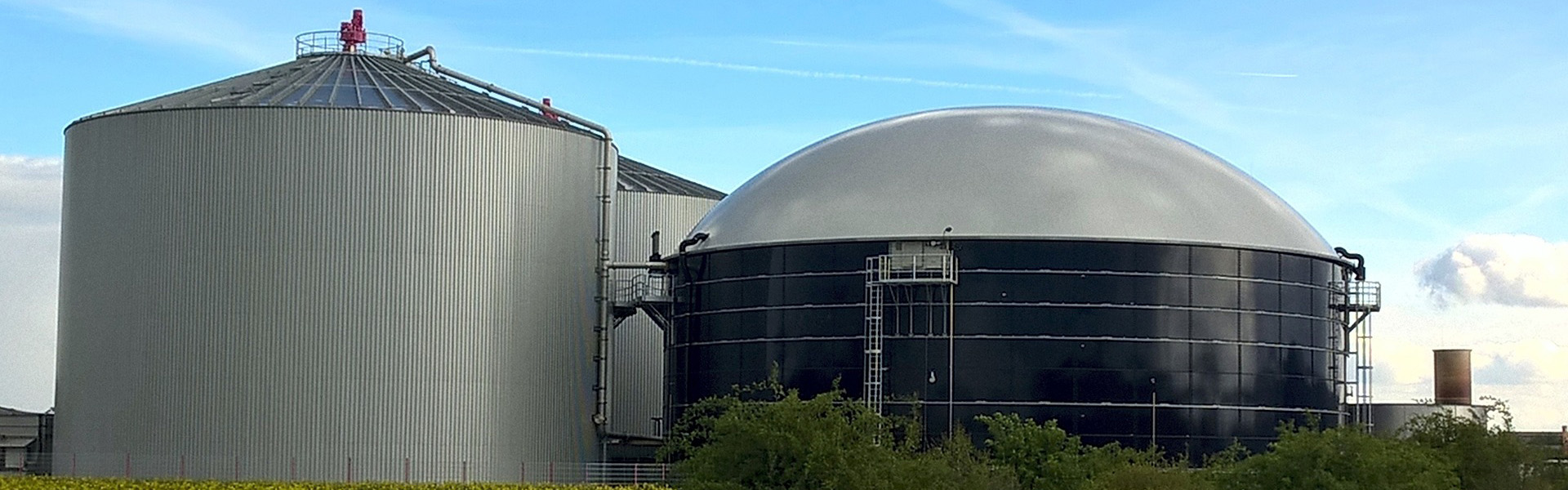
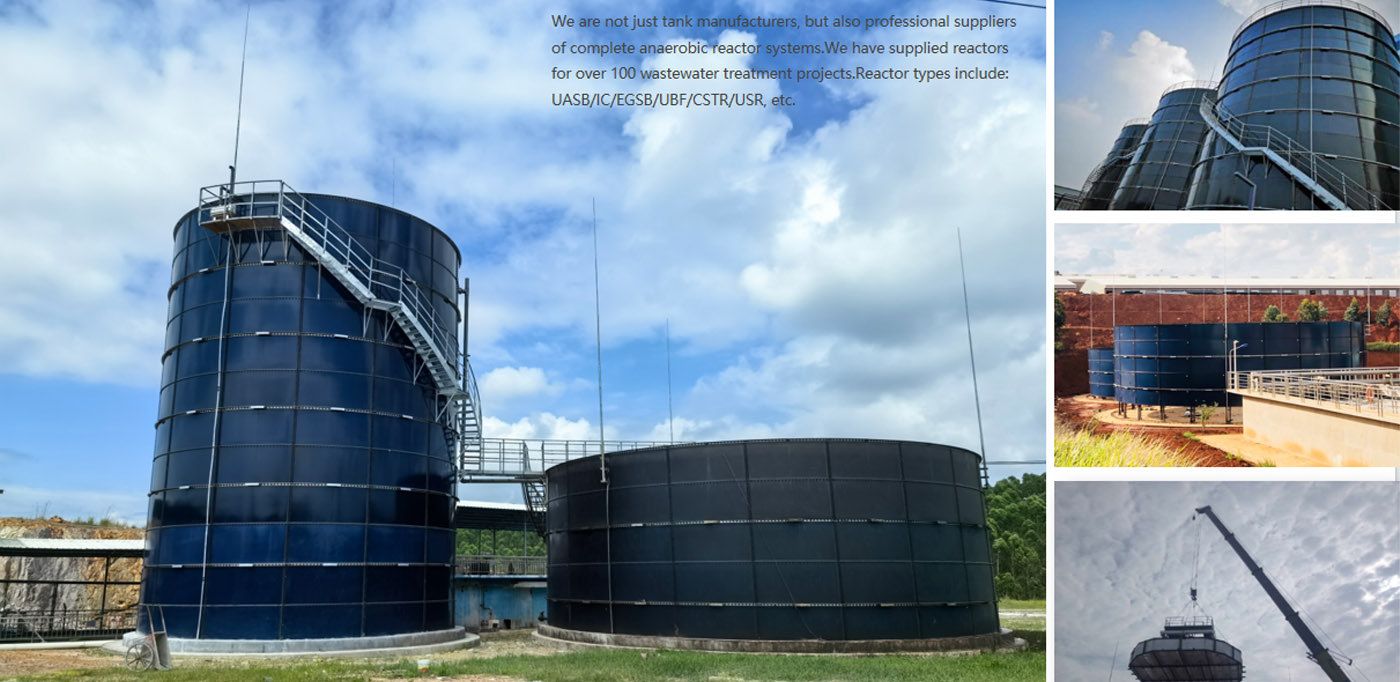
Substrate rheology dictates reactor selection. Most agricultural operations run continuously stirred-tank reactors (CSTR) constructed from glass-fused-to-steel panels or post-tensioned concrete with internal protective liners. The CSTR design continuously homogenizes the incoming livestock waste with established, active microbial consortia, preventing localized acidification pockets.
Agitation systems inside the digester must solve two physical dilemmas: settling dense sand or grit, and breaking surface crusts formed by floating fibrous bedding materials. Dairy manure facilities deal with both extremes. Coarse inorganic solids settle to the floor of the vessel, reducing active working volume over time, while buoyant straw and fibrous cellulose rise to create a dense blanket that traps gas bubbles. To mitigate this without halting digestion, multi-tiered agitation configurations are used:
Submersible Propeller Mixers: Height- and angle-adjustable mechanical impellers positioned along the digester perimeter create bulk rotational flow and prevent sediment compaction.
Vertical Long-Shaft Mixers: Top-mounted or inclined drive units equipped with broad paddles break surface tension, consistently disturbing the fibrous layer and releasing entrained gas.
External Hydraulic Recirculation: Heavy-duty chopper pumps pull digestate from the bottom of the vessel and inject it back through tangential nozzles at various depths, ensuring complete thermal and chemical distribution.
Thermal regulation directly controls biological kinetics. Plants operate under mesophilic conditions (37°C to 40°C) or thermophilic conditions (50°C to 55°C). Mesophilic digestion requires lower heat inputs and exhibits high resilience against transient biological upsets, demanding a hydraulic retention time (HRT) of 25 to 40 days. Thermophilic digestion accelerates enzymatic reaction rates, allowing higher organic loading rates and shorter hydraulic retention times (15 to 22 days), while fulfilling pathogen reduction standards. Digester heat is supplied via internal stainless steel heating loops affixed to the wall, or external counter-current spiral heat exchangers circulating hot water from boiler loops or cogeneration heat recovery units.
Pre-Treatment and Mechanical Refining of Raw Slurry
Slurry collected from barn scrapers or vacuum tanks contains stray physical contaminants, including pebbles, animal ear tags, hoof trimmings, twine, and feed leftovers. Introducing these materials into continuous digestion trains accelerates pump degradation, plugs heat exchanger tubes, and accumulates dead volume inside the main tanks.
Mechanical pretreatment systems stabilize the feed slurry prior to pumping. Inline macerators and twin-shaft grinders shear fibrous particles down to sizes under 12 millimeters, increasing the available surface area for hydrolytic bacterial colonization. Hydrocyclones or sedimentation grit traps drop out dense particles like sand and soil by exploiting density differentials under centrifugal acceleration.
Feedstocks containing lignocellulosic bedding materials benefit from thermal hydrolysis or mechanical cavitation. Applying targeted pressure drops or thermal cracking breaks down the tough lignin sheath wrapping cellulose microfibrils. Exposing these carbohydrates allows hydrolytic enzymes to break down previously recalcitrant fractions, raising specific methane yields per kilogram of volatile solids loaded into the system.
Gas Conditioning: Desulfurization, Dewetting, and Contaminant Scrubbing
Biogas exiting the digester headspace is saturated with water vapor and contains trace impurities that damage downstream upgrading systems and compression hardware. In a typical livestock operation, raw gas composition hovers around 55% to 65% methane (CH4), 35% to 45% carbon dioxide (CO2), 500 to 5,000 ppm of hydrogen sulfide (H2S), and minor quantities of ammonia (NH3) and volatile siloxanes.
Hydrogen sulfide is formed by the reduction of inorganic sulfates and sulfur-containing amino acids (methionine, cysteine) present in livestock diets. Left untreated, hydrogen sulfide dissolves into moisture to form sulfuric acid, which attacks stainless steel impellers, piping networks, and sensor membranes. A modern manure biogas plant applies a multi-stage gas conditioning train to remove these components systematically:
Biological In-Situ Desulfurization: Controlled volumes of atmospheric air or pure oxygen are metered into the digester headspace, where specialized Thiobacillus bacteria oxidize gaseous H2S into elemental sulfur and sulfates along the vessel walls and dedicated carrier media.
External Biological Trickling Filters: Packed media columns host autotrophic sulfur-oxidizing bacteria. Raw gas passes upward through the packing while a nutrient-rich counter-current wash trickles downward, stripping H2S without diluting the methane with nitrogen.
Dry Chemical Adsorption: As a polishing phase ahead of sensitive upgrading stages, the gas passes through dual beds of iron sponge, iron oxide pellets, or impregnated activated carbon. H2S reacts chemically to form iron sulfide, bringing concentrations down to below 1 ppm.
Moisture removal is completed down to specified dew points through condensation separators and mechanical chillers. Chilling the raw gas to 3°C to 5°C forces moisture condensation, which also drops water-soluble contaminants like residual ammonia. The cooled gas travels through coalescing filters to remove aerosols, followed by reheat cycles or regenerative desiccant dryers that prepare the gas stream for the pressures and temperatures required by upgrading units.
Biomethane Upgrading: Membrane Separation and Gas Washing
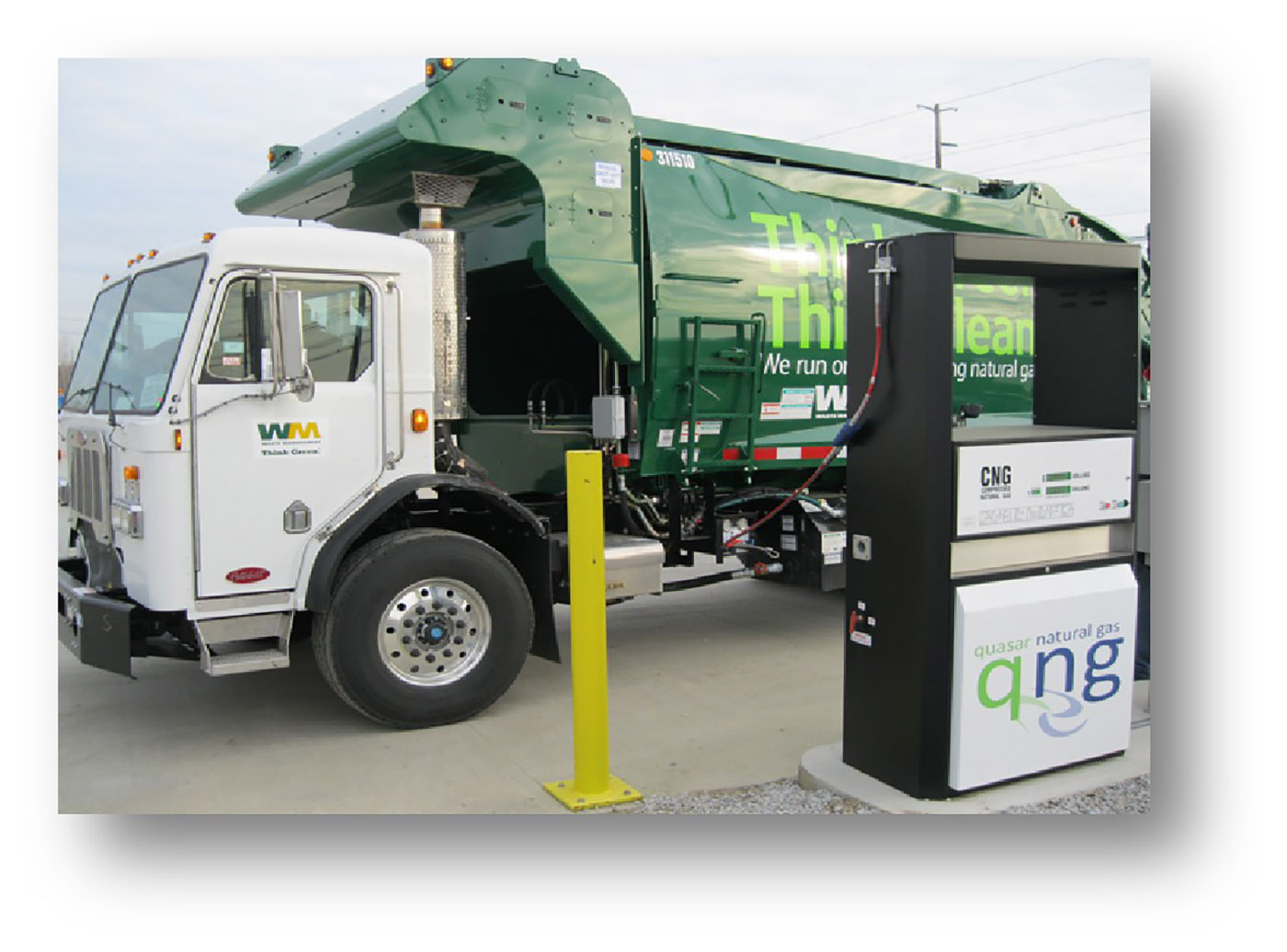
Transforming raw conditioned biogas into high-value biomethane involves stripping carbon dioxide until the methane content reaches 96% to 99%, satisfying standard pipeline distribution or vehicle fuel regulations. Carbon dioxide removal relies on distinct physical or chemical separation principles.
Polymer membrane separation has become a prevalent approach for agricultural operations. These multi-stage systems leverage the differing permeation rates of gas molecules passing through hollow-fiber polyimide membranes. Carbon dioxide, water vapor, and hydrogen sulfide exhibit high permeation rates ("fast gases"), passing through the thin polymer skin under differential partial pressure. Methane exhibits a lower permeation rate ("slow gas") and remains pressurized on the retentate side. Standard three-stage cascade membrane loops recapture permeate streams to achieve methane recovery efficiencies above 99.2%, holding methane slip into the off-gas vent below 0.5%.
Water scrubbing operates on the physical principle of differential gas solubility explained by Henry’s Law. Carbon dioxide dissolves more readily in water than methane does under elevated pressures (6 to 10 bar). Raw biogas enters the bottom of a packed absorption column, moving upward against a downward spray of process water. The water absorbs the CO2 while the biomethane discharges out the column top. The loaded water then flows to a flash tank, where pressure drops release small amounts of co-absorbed methane for recycling, followed by a desorption air-stripping tower that releases the CO2 and regenerates the water for closed-loop reuse.
Chemical scrubbing systems use aqueous amine solutions (such as monoethanolamine or methyldiethanolamine) to bind CO2 in an absorption column via reversible chemical reactions. Amine upgrading yields exceptionally high methane purities (>99%) at near-atmospheric pressures, but it requires substantial thermal energy to boil and regenerate the amine reagent in the stripper column. Selecting between these three approaches depends entirely on site utilities, electrical availability, and available waste heat loops.
Digestate Refining and Nutrient Redistribution
Effluent exiting the digester—known as digestate—contains fully stabilized organic matter, microbial biomass, and the original volume of nitrogen, phosphorus, and potassium (NPK). Mineralization during anaerobic digestion converts organic nitrogen into ammonium (NH4-N), a bioavailable chemical form readily assimilated by agricultural crops.
Digestate management begins with mechanical separation using a screw press, decanter centrifuge, or vibrating screen. Mechanical separation splits the effluent into two manageable fractions:
Solid Digestate Fraction: Rich in non-digestible fiber and organic phosphorus. This cake dries to 25%–35% dry matter and works well as odorless bedding, bulk soil conditioner, or organic compost base.
Liquid Digestate Fraction: Carries the majority of soluble ammonium and potassium. This liquid can be piped directly into storage basins for targeted spring injection via trailing-shoe or direct-injection tankers, mitigating ammonia volatilization to the atmosphere.
Advanced agricultural plants route the liquid fraction through multi-stage membrane filtration (ultrafiltration and reverse osmosis) or vacuum ammonia stripping towers. Stripping drives dissolved ammonium into the gas phase via pH elevation and heat, directing the gas to an acid scrubber charged with sulfuric acid. The resulting reaction produces liquid ammonium sulfate, a concentrated, transportable mineral fertilizer suitable for commercial crop production.
Digital Control Infrastructure and Automation Systems
Continuous anaerobic operations require real-time tracking of variable biological and physical systems. Industrial installations integrate programmable logic controllers (PLCs) interfaced with comprehensive supervisory control and data acquisition (SCADA) networks. Instrumentation packages installed across the process trains monitor:
Continuous gas composition tracking (CH4, CO2, H2S, O2) using non-dispersive infrared (NDIR) and electrochemical sensors.
Digester core and shell temperature arrays to detect heat exchanger scaling and cold feed zones.
Continuous hydrostatic level sensors and safety relief valves calibrated to prevent vessel over-pressurization or vacuum collapse during pumping cycles.
Inline mass flow meters calculating raw biogas output and corrected biomethane delivery volumes down to standard cubic meters (Nm³).
Automated feeding sequences adjust feed volumes based on real-time gas production rates and agitation amperage readings. If mixer motor current spikes, the automated system flags increased viscosity or internal crusting, adjusting agitator cycle times and pump volumes without operator intervention.
Frequently Asked Questions
Q1: How does high nitrogen content in poultry manure impact
biological operations?
A1: High nitrogen concentrations produce
elevated levels of free ammonia nitrogen during hydrolysis and acidogenesis.
Methanogens, specifically acetoclastic strains, are sensitive to ammonia
toxicity, which can slow biological gas production. Mitigating this issue
requires diluting poultry manure with water, blending it with high-carbon
substrates (such as agricultural straw or energy crops) to balance the
Carbon-to-Nitrogen (C:N) ratio to an ideal range of 25:1 to 30:1, or operating
the system at lower mesophilic temperatures to decrease the relative fraction of
toxic un-ionized ammonia.
Q2: What are the typical methane yields from different livestock
manures?
A2: Typical specific methane yields vary based on animal
feed regimens and slurry collection intervals. On average, dairy cattle manure
produces approximately 20 to 30 normal cubic meters (Nm³) of raw biogas per
fresh metric ton. Swine slurry delivers between 15 and 25 Nm³ per metric ton due
to higher water dilution. Poultry manure generates between 70 and 120 Nm³ per
fresh metric ton because of its significantly higher dry matter and volatile
solids content.
Q3: Why is desulfurization necessary prior to membrane
separation?
A3: Raw hydrogen sulfide degrades gas separation
membranes and downstream compressors. In the presence of residual water, H2S
forms sulfuric acid, which attacks metallic piping and causes swelling or
chemical damage to polymer membrane fibers. Dropping H2S levels below 5 to 10
ppm protects membrane life, protects compression hardware against acid pitting,
and ensures the gas meets pipeline transport standards.
Q4: How does seasonal winter weather affect plant
operations?
A4: Extreme ambient cold causes heat loss across
digester outer walls, slurry delivery piping, and above-ground gas headers.
Digester heating circuits must be sized to supply extra thermal energy during
peak winter periods to maintain steady internal operating temperatures. Exterior
gas handling pipes must be insulated, traced, and sloped toward heated
condensate collection pots to prevent freezing from moisture condensation.
Q5: What are the differences between raw manure spreading and
digestate land application?
A5: Raw manure carries unstable organic
matter, active weed seeds, pathogenetic bacteria, and high biological oxygen
demand (BOD), frequently leading to surface odors and nitrogen volatilization
losses when applied to fields. Digestate has undergone thorough biological
stabilization; pathogens and weed seeds are largely eliminated by the extended
digestion period, odors are substantially eliminated, and the nitrogen is
converted into mineralized ammonium, which crops can absorb rapidly.
Project Evaluation and Engineering Consultation
Deploying a successful agricultural biomethane facility requires precise alignment between raw substrate characteristics, digestion volume, desulfurization hardware, and separation membranes. Site-specific variables—such as total animal counts, manure handling practices, grid connection pressures, and localized utility availability—dictate the mechanical selection of every pump, mixer, and valve.
Detailed engineering analysis begins with substrate testing and mass-balance calculations. Contact our engineering team with your facility parameters, slurry production volumes, and project specifications to receive a customized technical assessment and system design proposal for your upcoming installation.