


News
We'll get back to you as soon as possible.
Substrate Processing to Grid Injection: Engineering an Industrial biogas plant
Anaerobic digestion transforms volatile organic matter into stable methane-rich gas through biochemical pathways. Operating a large-scale biogas plant requires precise mechanical balancing, continuous microbiological control, and specialized gas processing infrastructure. Achieving maximum volatile solids (VS) destruction while maintaining steady methane yields demands strict engineering standards from substrate intake to gas purification.
Biological Foundations and Biochemical Pathway Management
Biomethanation relies on a sequential metabolic cascade executed by syntrophic microbial consortia. System instability frequently stems from imbalances between these distinct bacterial and archaeal populations.
Hydrolysis and Acidogenesis Dynamics
Hydrolysis serves as the rate-limiting step for complex lignocellulosic materials. Extracellular enzymes—primarily cellulases, xylanases, and lipases—break down complex polymers into soluble monomers. Solubilized compounds enter the acidogenesis stage, where acidogenic bacteria convert sugars and amino acids into short-chain volatile fatty acids (VFAs), alcohols, hydrogen, and carbon dioxide.
Uncontrolled hydrolysis can cause rapid VFA accumulation. Excess organic acids suppress pH levels, overwhelming the natural bicarbonate buffering capacity of the system. Operational monitoring focuses on maintaining a balanced VFA/alkalinity ratio (FOS/TAC) below 0.3 to prevent acid accumulation.
Acetogenesis and Methanogenesis Balance
Acetogenic organisms convert VFAs into acetate, carbon dioxide, and hydrogen. This phase requires low partial hydrogen pressure to remain thermodynamically favorable. Hydrogen-consuming methanogens must continuously utilize hydrogen to allow acetogenesis to proceed.
Methanogenesis represents the final bio-conversion phase, driven by two primary pathways:
Acetoclastic Methanogenesis: Methanosarcina and Methanosaeta species cleave acetate into methane and carbon dioxide.
Hydrogenotrophic Methanogenesis: Hydrogenotrophic archaea reduce carbon dioxide using hydrogen gas to form methane.
Maintaining biological equilibrium requires stable mesophilic (37°C to 41°C) or thermophilic (50°C to 55°C) thermal conditions. Temperature fluctuations exceeding 1°C per day disrupt methanogenic activity, leading to process failure.
Engineering Architecture of Industrial biogas plants
Converting raw organic substrates into a continuous biomethane stream requires rugged mechanical containment and handling equipment designed for corrosive, high-solids environments.
Substrate preparation units utilize mechanical macerators and heavy-object separators to reduce feedstock particle sizes below 12 millimeters. Particle size reduction expands the available surface area for enzymatic hydrolysis, preventing scum layer formation inside processing vessels.
Digester design depends on substrate total solids (TS) content:
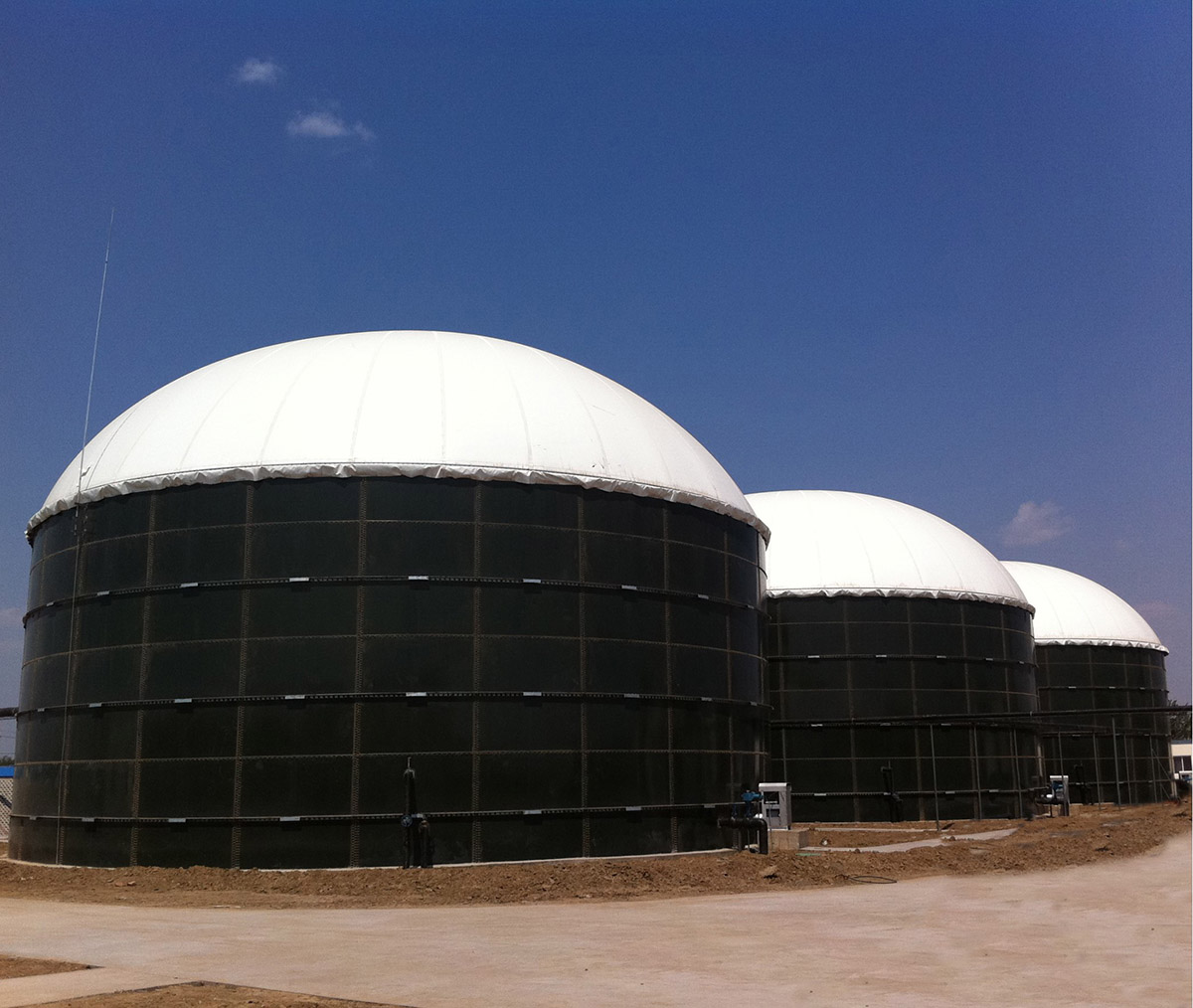
Wet Digestion Systems (TS < 12%): Continuously Stirred-Tank Reactors (CSTR) utilize top-mounted or submerged mechanical agitators to prevent thermal stratification and maintain uniform microbial distribution.
Dry Digestion Systems (TS 15% - 35%): Plug-flow reactors move high-viscosity substrate through horizontal vessels using slow-rotating axial shafts.
Proper hydraulic retention time (HRT) selection prevents biological washout. Dependent on feedstock recalcitrance, HRT parameters range from 20 days for simple liquid manures to over 60 days for complex agricultural residues.
Advanced Gas Conditioning and Upgrading Systems
Transitioning raw output from a biogas plant into pipeline-quality biomethane or compressed natural gas requires comprehensive contaminant removal. Raw biogas typically contains 55%–65% CH4, 35%–45% CO2, moisture, hydrogen sulfide (H2S), siloxanes, and trace oxygen/nitrogen.
Primary gas conditioning removes corrosive compounds before fine purification:
Desulfurization: High concentrations of H2S form sulfurous and sulfuric acids upon contact with water, causing severe corrosion in downstream pipework. Chemical scrubbers using chelating iron catalysts or specialized media reduce H2S levels from thousands of parts per million down to low single digits.
Dehumidification: Chilling units lower raw gas temperatures to 4°C, condensing moisture and allowing physical water separation through droplet separators.
Siloxane Removal: Volatile methyl siloxanes convert to abrasive silicon dioxide during combustion. Deep gas polishing using temperature swing adsorption (TSA) on specialized activated carbon beds captures silicon compounds.
Methane separation isolates CH4 from CO2. Industrial operations implement high-efficiency membrane systems, amine scrubbers, or pressure swing adsorption modules depending on volumetric throughput and gas purity requirements. Equipment specifications for gas purification technologies can be explored through specialized engineering resources at https://www.biogasupgradingplants.com/.
Polymer membrane systems exploit selective gas permeability across hollow-fiber membranes. CO2, H2S, and H2O permeate the membrane wall faster than CH4 due to smaller kinetic diameters, delivering biomethane purities exceeding 99% with minimal CH4 slip.
Operational Integration and Grid Injection Standards
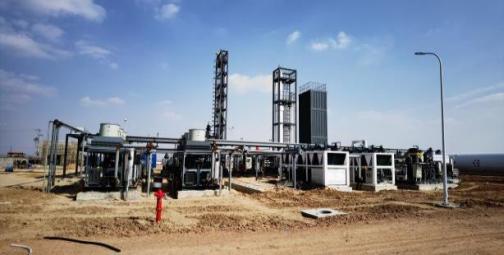
Downstream processing converts raw production from the facility into grid-compliant biomethane. Injection stations verify gas quality using fast-response gas chromatography prior to valve opening.
Key quality parameters monitored prior to grid admission include:
Methane concentration (typically > 96% based on local transport standards)
Carbon dioxide limit (often < 2.5%)
Oxygen content (typically < 10 ppm for underground storage compatibility)
Wobbe Index matching local natural gas network specifications
Compression systems elevate biomethane pressures to match grid transport lines, varying from medium-pressure distribution lines (1–8 bar) to high-pressure transmission trunks (70+ bar). Automated reject valves instantly divert non-compliant gas back to the digester gas holder or flare system to protect off-take pipelines.
Frequently Asked Questions
Q1: What are the main causes of foam formation inside anaerobic digesters, and how can it be controlled?
A1: Foaming occurs due to organic overloading, volatile fatty acid accumulation, filamentous bacteria proliferation (such as Microthrix parvicella), or high concentrations of proteins and surfactants. Control methods include reducing loading rates, applying mechanical foam cutters, dosing anti-foaming agents, and balancing feedstock nutrition.
Q2: How does ammonia inhibition affect biological gas output?
A2: Free ammonia (NH3) diffuses through bacterial cell membranes, disturbing proton imbalances and intracellular pH levels. Acetoclastic methanogens show high sensitivity to ammonia. Total ammonia nitrogen (TAN) concentrations above 3,000 mg/L or free ammonia levels exceeding 200 mg/L significantly reduce methane conversion rates.
Q3: What process parameters determine the selection between mesophilic and thermophilic digestion?
A3: Mesophilic operation (37°C–41°C) offers high biological stability, lower thermal energy demands, and resilience against load changes. Thermophilic operation (50°C–55°C) provides faster reaction rates, higher organic loading capacities, shorter hydraulic retention times, and superior pathogen destruction, but requires precise temperature management and exhibits sensitivity to ammonia toxicity.
Q4: How does membrane upgrading minimize methane loss during gas separation?
A4: Multi-stage membrane configurations recycle permeate gas streams through secondary or tertiary membrane passes. Redirecting carbon-dioxide-rich streams through recovery loops reduces methane slip to below 0.5%, maximizing overall system yield without requiring combustion off-gas treatment.
Q5: What impact do siloxanes have on downstream gas utilization equipment?
A5: During combustion inside gas engines, boilers, or thermal oxidizers, siloxanes oxidize into solid silicon dioxide (quartz micro-particles). These deposits build up on cylinder heads, spark plugs, valves, and turbine blades, causing excessive mechanical wear, loss of heat transfer efficiency, and mechanical breakdown.
Engineering Project Inquiries
Planning, designing, and commissioning a modern commercial biogas plant requires detailed analytical evaluation of feedstock profiles, flow rates, spatial requirements, and gas processing goals. Engineering teams require key system parameters—including feedstock volumes, total solids percentage, intended daily gas production (Nm³/h), and regional injection grid standards—to evaluate project viability.
Submit your operational parameters, flow requirements, and structural specifications to receive a specialized system review and design analysis from our equipment integration team.