


News
We'll get back to you as soon as possible.
High-Capacity Solid Waste Management Biogas Plant Design: Substrate Handling and Gas Refining
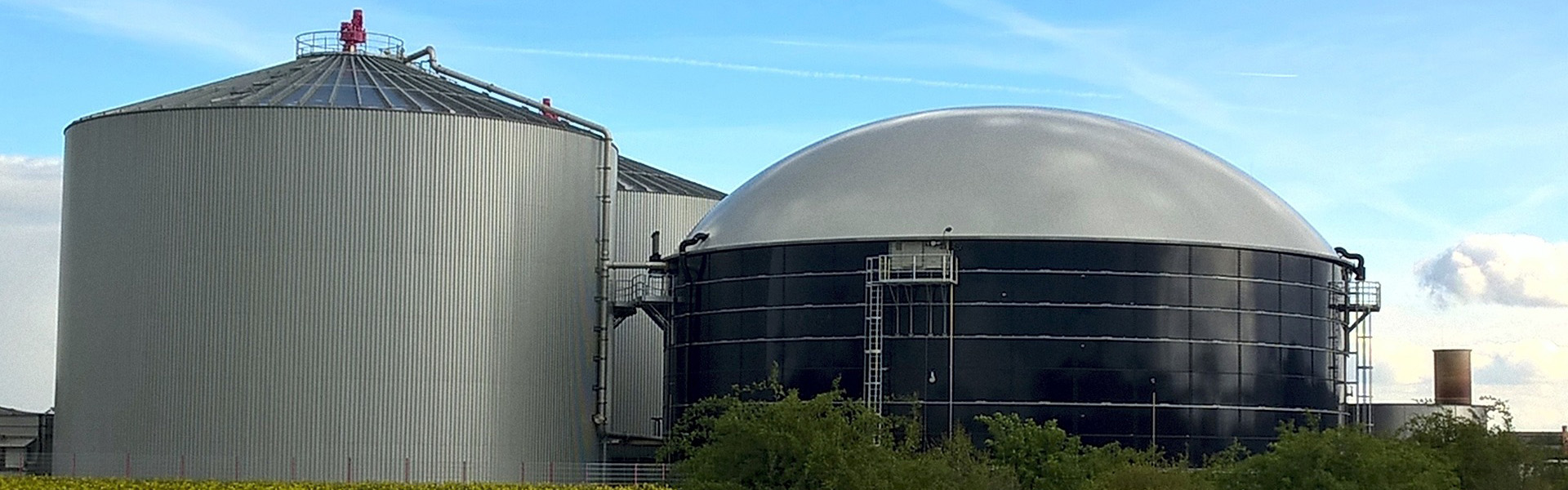
Municipal solid waste processing has shifted from passive landfill storage to active biological conversion. Central to this transition is the modern solid waste management biogas plant, an industrial facility engineered to transform the organic fraction of municipal solid waste (OFMSW) into purified, pipeline-quality biomethane. Designing and running these facilities requires deep competency in substrate rheology, microbial kinetics, gas-liquid mass transfer, and multi-stage gas upgrading. Treating heterogeneous organic refuse demands robust mechanical workflows paired with biochemical control loops, avoiding the mechanical failures and biological upsets that frequently compromise continuous operations.
1. Feedstock Separation and Conditioning Architectures
Organic fractions derived from commercial collections, household sorting, and institutional food discards contain substantial proportions of non-biodegradable debris. Inert physical elements—such as low-density polyethylene (LDPE) packaging, glass fragments, textiles, and silica grit—must be mechanically separated before entering the digestion vessels. Failure to remove these components causes rapid impeller erosion, sedimentation buildup, and loss of effective digester volume.
The upstream processing train typically deploys a sequence of heavy-duty unit operations configured to liberate organic matter from protective packaging while minimizing shredding of contaminants:
Bag Openers and Drum Screens: Low-shear, high-torque rotary splitters slice open waste containment bags without fragmenting plastics into micro-particles. Trommel screens subsequently classify material based on physical dimensions, directing the organic-rich fraction (typically below 80-100 mm) downstream while rejecting bulk refuse.
Ballistic and Optical Sorters: Density differentials separate rigid plastics and stones from pliable organic materials, ensuring that heavy mineral elements do not bypass primary classification.
Wet Hydro-Pulpers vs. Dry Shredders: In wet digestion trains, high-consistency hydro-pulpers blend the substrate with process water, floating out light plastics and settling grit through hydraulic classification. Conversely, dry digestion models employ horizontal slow-speed shredders that process wastes maintaining dry matter concentrations between 20% and 40% total solids (TS).
Grit and Micro-Sand Removal: Hydrocyclones and sedimentation channels strip abrasive mineral fractions down to particles smaller than 200 microns, protecting slurry feed pumps, check valves, and internal heating coils from accelerated abrasion.
Following separation, mechanical disintegrators reduce organic substrate particles to under 12 mm. This physical size reduction expands the specific surface area available for enzymatic attachment during the rate-limiting hydrolysis stage, accelerating volatile fatty acids (VFA) formation in downstream digesters.
2. Biochemical Dynamics in High-Solids Anaerobic Digestion
Transforming complex lignocellulosic, lipid, and proteinaceous matrices into methane follows a four-stage biochemical cascade: hydrolysis, acidogenesis, acetogenesis, and methanogenesis. In a solid waste management biogas plant handling urban solid refuse, digester configurations are primarily split into wet continuously stirred tank reactors (CSTR, operating at 8-12% TS) and high-solids plug-flow systems (operating at 20-35% TS).
High-solids plug flow digesters present distinct process advantages for municipal waste streams. By eliminating internal mechanical agitation within high-viscosity zones, these configurations rely on external displacement pumps and internal heated floor or paddle systems. The plug-flow regime ensures a defined hydraulic retention time (HRT), typically between 20 and 30 days, preventing hydraulic short-circuiting where freshly inoculated substrate bypasses the digestion cycle.
Maintaining metabolic equilibrium requires precise control of environmental and chemical operating variables:
Thermal Stabilization: Digestion trains operate under either mesophilic conditions (37°C to 40°C) or thermophilic conditions (52°C to 55°C). Thermophilic regimes offer accelerated pathogen destruction and higher gas production rates, yet they exhibit higher sensitivity to temperature fluctuations and volatile organic acid spikes.
Buffer Capacity and Alkalinity: The ratio of volatile fatty acids to total inorganic carbon (FOS/TAC value) serves as an immediate indicator of metabolic health. FOS/TAC values maintained below 0.30 signal stable biochemical equilibrium. Spikes above 0.40 indicate methanogenic inhibition, requiring automated reduction of the organic loading rate (OLR).
Ammonia Equilibrium Management: Nitrogen-rich food residues yield elevated ammonium ions (NH4+) and un-ionized free ammonia (NH3) during protein degradation. Free ammonia concentrations exceeding 200 mg/L exert direct toxicity on acetoclastic methanogens. Digester chemistry must balance pH values precisely between 7.2 and 7.8 to suppress free ammonia volatilization while sustaining methanogenic kinetics.
3. Gas Conditioning and Upgrading Systems
Raw biogas produced from organic solid waste digestion cannot be directly injected into utility gas grids or used as vehicle fuel. The crude gaseous mixture consists predominantly of methane (50-65% CH4) and carbon dioxide (35-50% CO2), saturated with water vapor and contaminated by hydrogen sulfide (H2S, 500-5,000 ppm), siloxanes (5-30 mg/m3), volatile organic compounds (VOCs), and trace oxygen and nitrogen. Delivering end-product biomethane with purities exceeding 97% CH4 requires comprehensive conditioning trains.
Executing continuous gas purification within an integrated solid waste management biogas plant requires robust desulfurization, trace gas scavenging, and molecular separation technologies designed for specific pipeline compliance parameters.
Primary Gas Pre-Cleaning
Coarse purification begins immediately at the digester outlet. Biogas undergoes deep cooling via tube-in-shell heat exchangers coupled with chillers to drop the gas temperature to 4°C. This condensation cycle removes bulk water vapor, stripping water-soluble impurities. For bulk H2S abatement, biological trickle-bed filters or chemical iron sponge scrubbers reduce sulfur concentrations down to sub-100 ppm levels before the gas reaches downstream molecular separation media.
Polishing Trace Contaminants
Residual volatile methyl siloxanes—derived from cosmetics and cleaning agents disposed of in municipal waste—combust into abrasive silicon dioxide (SiO2) microcrystalline deposits if left in the fuel stream. Deep desulfurization polishing and siloxane abatement utilize regenerative temperature swing adsorption (TSA) or dual-bed activated carbon vessels, protecting sensitive separation membranes from pore clogging and chemical degradation.
Methane Separation Infrastructure
Once conditioned, the high-pressure gas is separated to extract CO2:
Hollow-Fiber Polyimide Membranes: Multi-stage membrane cascades utilize differential gas permeation rates. Carbon dioxide, water vapor, and residual H2S permeate through the polymer hollow fibers much faster than methane, achieving methane recoveries above 99.2% while venting clean CO2 or routing it to carbon capture units.
Pressure Swing Adsorption (PSA): PSA units employ carbon molecular sieves (CMS) that selectively trap CO2 molecules under high pressure (6-8 bar) and desorb them during depressurization cycles. PSA systems operate without requiring process water or chemical reagents.
Chemical Absorption (Amine Wash): Scrubbing columns utilizing activated aqueous solutions of methyldiethanolamine (MDEA) dissolve CO2 via reversible chemical reactions, yielding biomethane with up to 99.5% purity while operating under low inlet gas pressures.
4. Digestate Fractionation and Resource Recovery
Every metric ton of organic waste routed through a solid waste management biogas plant yields a proportional mass of digestate that must be separated and treated. Closed-loop processing relies on robust solid-liquid dewatering systems to extract value from both discharge phases.
Heavy-duty decanter centrifuges, supplemented by organic polymer dosing stations, split digestate into a stackable solid cake (25-35% dry matter) and a clarified liquid centrate. Screw presses can serve as an alternative primary separation mechanism for coarse, fibrous matrices. The separated solid digestate undergoes controlled in-vessel aerobic composting, where thermophilic self-heating cures the stabilized fibers into certified organic soil conditioners and humic-rich fertilizers.
The liquid centrate contains concentrated ammonium, phosphorus, and potassium salts. Direct discharge into municipal sewers is rarely feasible due to strict chemical oxygen demand (COD) and nitrogen thresholds. Industrial facilities deploy counter-current ammonia stripping towers, vacuum evaporators, or membrane bioreactors (MBR) linked to reverse osmosis (RO) systems. This recovery train extracts high-purity aqueous ammonium sulfate or ammonium nitrate solutions for industrial fertilizer markets while generating high-quality water for reuse inside the plant's upstream hydro-pulpers.
5. Balance-of-Plant Automation and Process Safety
Complex interactions between solid feedstocks, fluid slurries, and pressurized volatile gases require centralized programmable logic controller (PLC) systems linked to supervisory control and data acquisition (SCADA) networks. Managing a solid waste management biogas plant involves continuous data acquisition from digital sensor arrays placed throughout hazardous material handling zones.
Crucial telemetry points monitor the physical and chemical state of the plant:
Continuous In-Line Gas Chromatography: Multi-channel gas analyzers track CH4, CO2, O2, and H2S concentrations across the biological and upgrading stages, automatically triggering flare diversion if oxygen concentrations exceed regulatory limits for utility grid injection.
Substrate Rheology and Pumping Telemetry: Progressive cavity and rotary lobe pumps feature variable frequency drives (VFDs) coupled to inline pressure transducers and mass flow meters, protecting pipelines against cavitation and over-pressurization from high-viscosity municipal slurries.
Thermal Balance Control: Heat recovery loops extract waste thermal energy from biomethane upgrading compressors and downstream thermal oxidizers, directing warm glycol-water circuits back through digester jackets and substrate pasteurization units (70°C for 1 hour) to fulfill international animal byproduct sanitation standards.
Zoned Explosion Mitigation: ATEX and NFPA compliance mandates the strict separation of classified hazard zones (Zone 1 / Zone 2). Systems integrate positive-pressure control rooms, optical flame detectors, low-temperature gas flares, and automated emergency shut-down valves (ESDVs) configured to isolate explosive atmospheres during process upsets.
Industrial Equipment Specification and System Inquiries
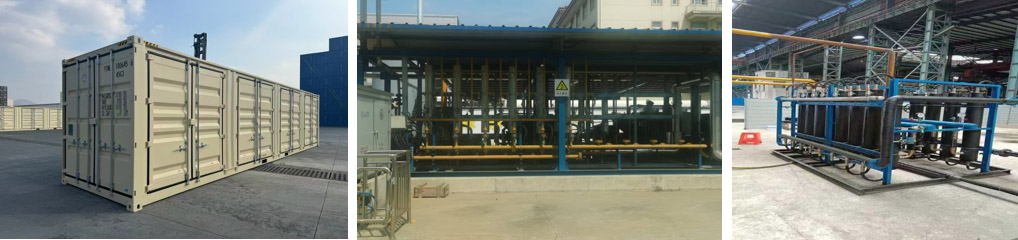
Successfully delivering an industrial-scale anaerobic digestion facility hinges on integrating robust pretreatment mechanics, optimized biological reaction volumes, and highly efficient gas upgrading equipment. Our manufacturing division specializes in engineering turnkey biomethane plants, containerized gas upgrading systems, and customized gas purification infrastructure scaled to the distinct requirements of complex waste streams. Project managers, municipal waste contractors, and industrial developers preparing to design or construct a solid waste management biogas plant are invited to contact our application engineering group to request detailed technical documentation, process flow layouts, and equipment sizing consultations.
Frequently Asked Questions
Q1: What is the average biogas yield per ton of OFMSW processed in a
solid waste management biogas plant?
A1: Biogas yield varies
depending on moisture content and purity of the source-separated fraction.
Typically, source-separated organic household waste yields between 80 and 160
cubic meters of raw biogas per wet ton, with methane concentrations consistently
ranging between 55% and 65% CH4.
Q2: Why are siloxanes particularly troublesome in waste-to-biomethane
projects?
A2: Siloxanes present in solid waste volatilize into the
biogas stream during anaerobic digestion. When biomethane containing trace
siloxanes is combusted in gas engines, boilers, or high-pressure grid equipment,
the compounds oxidize into silicon dioxide (silica), forming glass-like abrasive
crusts on cylinders, valves, and heat exchangers that cause mechanical
failure.
Q3: How does high-solids plug-flow digestion compare to wet CSTR
digestion for municipal waste?
A3: High-solids plug-flow systems
handle substrates with 20% to 35% total solids, requiring significantly less
process water addition and yielding smaller overall digestate volumes. Wet CSTR
systems operate at 8% to 12% total solids, demanding extensive dilution water
and larger digester tankage, though they permit simpler standard pumping and
mixing equipment.
Q4: What methane recovery rates can be achieved with modern membrane
gas upgrading systems?
A4: Modern multi-stage hollow-fiber polyimide
membrane configurations achieve methane recovery efficiencies exceeding 99%,
restricting total methane slip in the exhaust gas to less than 0.5-1%. This
exhaust can be routed to a regenerative thermal oxidizer to prevent fugitive
methane emissions.
Q5: What retention time is typically engineered for the digestion
phase of municipal solid waste?
A5: Hydraulic retention time (HRT)
generally ranges from 20 to 30 days under thermophilic conditions (52°C to 55°C)
and between 25 and 40 days under mesophilic conditions (37°C to 40°C), ensuring
the thorough biological degradation of slow-reacting volatile solids and
maximizing overall methane production.