


News
We'll get back to you as soon as possible.
How Do Full-Scope RNG Turnkey Solutions Accelerate Pipeline Injection?
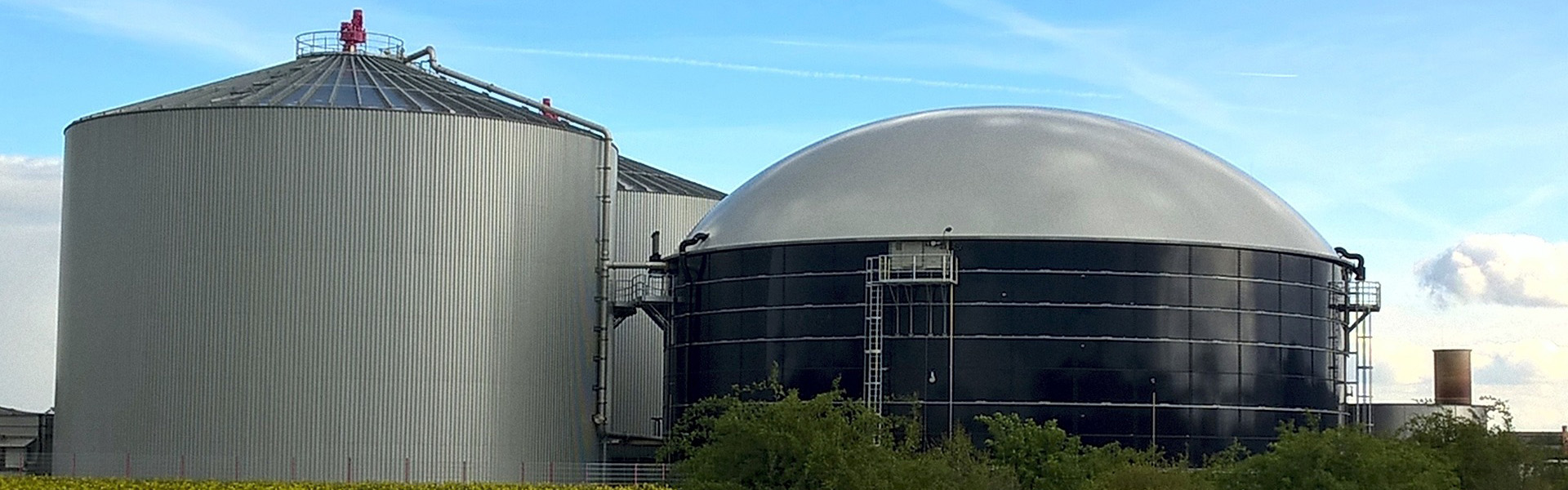
Raw biogas produced via anaerobic digestion or landfill containment is inherently saturated with contaminants, atmospheric gases, and corrosive compounds. Transforming this unrefined resource into pipeline-quality renewable natural gas demands a cohesive sequence of physical extraction, catalytic chemical reactions, and multi-stage gas separation. In large-scale industrial projects, deploying rng turnkey solutions provides the mechanical cohesion and unified process engineering necessary to bridge anaerobic digestion infrastructure directly with commercial natural gas distribution networks.
A full-scope system accounts for dynamic fluctuations in raw gas composition, ambient temperatures, and changing utility pipeline quality specifications. By integrating every phase—ranging from raw gas pre-treatment and conditioning to methane upgrading, compression, and automated monitoring skids—plant developers establish high reliability while eliminating operational mismatches across component interfaces.
Characterizing Feedstock Heterogeneity and Contaminant Profiles
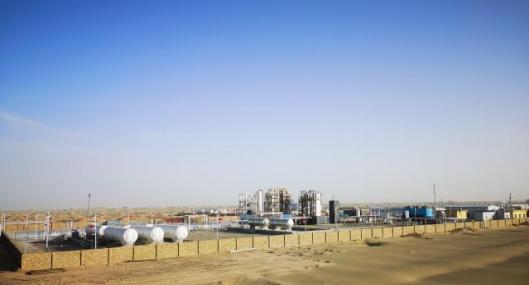
The operational success of an upgrading facility depends fundamentally on the inlet gas profile. Biogas extracted from agricultural digesters, municipal wastewater treatment plants, and solid waste landfills presents drastically diverse chemical compositions that dictate downstream processing configurations.
Agricultural Digester Gas: Typically rich in methane (55% to 65%) and carbon dioxide (35% to 45%), these streams feature high hydrogen sulfide concentrations, frequently fluctuating between 1,500 ppm and 5,000 ppm. Seasonal changes in livestock diet, bedding material, and manure retention times create varying moisture and siloxane levels.
Wastewater Treatment Plant (WWTP) Off-Gas: Featuring moderately elevated methane levels, WWTP digester off-gas contains problematic concentrations of volatile methyl siloxanes (D4, D5, and D6 species) stemming from commercial detergents and cosmetics, alongside trace amounts of organic halides and moisture.
Landfill Gas (LFG): Characterized by lower baseline methane volumes (45% to 55%) and substantial concentrations of balance atmospheric gases—primarily nitrogen (up to 15%) and oxygen (up to 3%). Infiltration through extraction wells also introduces complex volatile organic compounds (VOCs), halogenated hydrocarbons, and aggressive organic acids.
Addressing these disparate feed streams requires modular flexibility. When engineering rng turnkey solutions, equipment fabricators design specific modular pretreatment trains to prevent downstream membrane degradation, solvent poisoning, or adsorbent bed saturation.
Pre-Treatment and Intermediate Conditioning Technologies
Upstream cleanup shields the core separation assets from physical fouling, corrosion, and irreversible chemical deactivation. Raw biogas enters the process battery limits saturated at relative humidity, carrying gross particulates and corrosive acidic vapor.
Bulk Hydrogen Sulfide Removal
Gross desulfurization commonly incorporates biological scrubbers or chemical absorption columns for high-load streams. Biological conversion systems utilize specialized sulfur-oxidizing bacteria on structured media beds, oxidizing sulfides into elemental sulfur or sulfate under controlled micro-aerobic conditions. For lower concentrations or polishing configurations, dry media beds filled with iron oxide-impregnated wood chips or extruded iron hydroxide pellets react chemically with hydrogen sulfide to produce solid iron sulfide, stripping sulfur content down to levels below 1 ppm.
Chilling, Coalescence, and Moisture Dew Point Reduction
Directly following primary desulfurization, gas passes into heavy-duty heat exchangers. Mechanical refrigeration chillers reduce gas temperatures to 4°C to 5°C. This thermal drop condenses the majority of water vapor, which is subsequently separated through mechanical mist eliminators and high-efficiency coalescing filters. Lowering the relative humidity prevents condensate formation within subsequent activated carbon vessels, ensuring maximum pore availability for trace chemical uptake.
Volatile Organic Compound and Siloxane Adsorption
Siloxanes represent a severe operational hazard; during combustion in gas appliances or internal combustion engines, siloxanes convert into abrasive silicon dioxide, destroying valve seats and cylinder heads. Specialized temperature swing adsorption (TSA) or dual-bed regenerative activated carbon systems target these molecules alongside aromatics like benzene, toluene, and xylene. The media beds employ synthetic polymers or virgin carbon with precise pore distributions, providing reliable protection ahead of primary methane enrichment.
Methane Upgrading and Carbon Dioxide Separation Mechanics
Once contaminants are neutralized, the intermediate gas stream contains predominantly methane and carbon dioxide. Upgrading the stream to biomethane requires separating these two principal components to reach a methane purity commonly exceeding 97% to 99%.
Polyimide Hollow Fiber Membrane Systems
Membrane separation utilizes differences in molecular permeation rates through asymmetric polyimide hollow fibers. Because carbon dioxide, water vapor, and hydrogen sulfide exhibit significantly higher permeation rates than methane, they pass through the thin selective polymer layer under a high-pressure driving gradient (typically 12 to 16 bar gauge). Methane, categorized as a "slow gas," remains within the fiber bore and exits as the high-pressure retentate.
Modern configurations utilize three-stage membrane loops. The first stage performs the primary bulk split. The permeate from the first stage proceeds to a second stage, which recovers leaked methane and recycles it back to the primary suction compressor. Permeate from the secondary and tertiary stages is vented or fed to an off-gas burner. This cascade configuration maintains methane recovery rates above 99.2% without requiring chemical reagents.
Chemical and Physical Absorption
Amine scrubbing remains a standard method for large-volume processing where uniform high-purity product gas is mandatory. Aqueous amine solutions (such as monoethanolamine or activated methyldiethanolamine) react selectively and reversibly with carbon dioxide within an absorption tower. The clean methane exits the top of the tower, while the rich solvent transfers to a stripper column where thermal energy breaks the chemical bonds, venting concentrated carbon dioxide and regenerating the solvent.
Pressure Swing Adsorption (PSA)
PSA systems exploit the molecular size and equilibrium adsorption characteristics of carbon molecular sieves (CMS) or synthetic zeolites. Under high pressure, the adsorbent preferentially captures carbon dioxide molecules within its pore network while permitting methane to pass through. Sequential cyclic operation across four, six, or eight vertical vessels—cycling between adsorption, depressurization, purge, and repressurization—yields a steady biomethane flow. Modern integrated rng turnkey solutions select between PSA and membrane mechanisms based on raw biogas volumetric flows, available utility power, and on-site thermal integration options.
Balance of Plant, Grid Interconnection, and Quality Control
Separation represents only half the engineering equation. Raw biomethane must be conditioned to comply with the exact interconnect standards dictated by pipeline transmission and distribution operators.
Gas Analytical Skids and Quality Auditing
Continuous quality verification demands analytical equipment installed directly within the pipeline injection module. Process gas chromatographs (GC) measure the complete constituent breakdown, analyzing methane, carbon dioxide, oxygen, nitrogen, and gross heating value (Wobbe Index). Paramagnetic oxygen sensors and laser-based tunable diode laser absorption spectrometers (TDLAS) evaluate moisture and residual hydrogen sulfide content in real time.
If any parameter slips outside regulatory tolerances, an automated quick-closing slam-shut valve isolates the pipeline interface instantly. Simultaneously, three-way control valves divert off-spec gas to a flare stack, thermal oxidizer, or recycle circuit back to the raw gas holder, preventing off-spec gas from entering public utility pipelines.
Calorific Adjustment and Scenting Systems
Pipeline specifications often define a minimum higher heating value (HHV). If the purified biomethane contains low levels of heavier hydrocarbons compared to fossil-derived natural gas, enriching the gas with small additions of liquid propane (LPG) via mass flow injection systems ensures heating value alignment. Prior to final pipeline delivery, industrial chemical injection pumps dose the odorless gas with odorants (such as tetrahydrothiophene or mercaptan blends) to conform to mandatory industrial leak detection safety standards.
Engineering Modular Skid Integration
Traditional stick-built execution methods introduce field construction delays, extended civil works durations, and complicated on-site testing procedures. Conversely, modular packaging consolidates primary separation blocks, electrical distribution centers, and compression assets onto structural steel skids directly within a climate-controlled manufacturing facility.
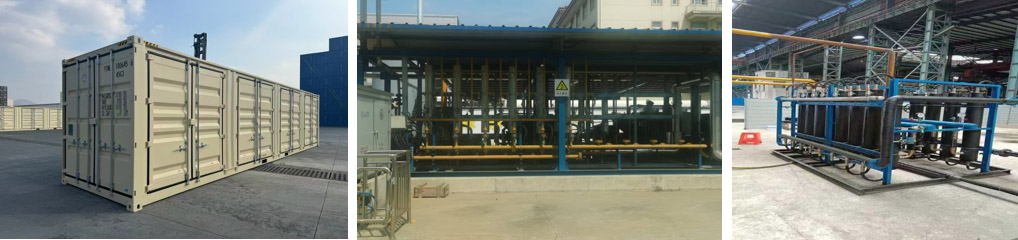
Structural skids undergo complete mechanical fabrication, non-destructive testing (NDT) on process piping welds, pressure hydrostatic testing, and wiring terminations before leaving the factory floor. Industrial programmable logic controllers (PLCs) with dual-redundant safety microprocessors coordinate system logic, safety interlocks, and remote SCADA communications. Factory acceptance testing (FAT) validates component functionality, control loops, and software routines prior to shipping, streamlining the final on-site installation to anchor-bolting, external process connections, and grid tie-ins.
Specifying single-provider rng turnkey solutions bypasses multi-vendor blame games, aligning the process warranty and mechanical operational metrics beneath a unified management umbrella.
Operational Maintenance and Separation Media Longevity
Plant availability hinges upon consistent operational maintenance schedules and process media monitoring. The degradation of separation performance often occurs slowly, requiring continuous data tracking across pressure transmitters, temperature sensors, and mass flow meters.
Compressor Maintenance: Rotary screw and reciprocating compressors require rigorous lubrication monitoring. Synthetic oil breakdown products must be extracted by coalescers to prevent downstream hydrocarbon migration onto delicate membrane surfaces.
Media Replacement Cycles: Activated carbon vessels and chemical scavengers require monitoring via inter-stage sample ports. Sampling gas between lead and lag vessels determines the saturation breakthrough point, enabling media change-outs without unscheduled plant shutdowns.
Membrane Integrity Monitoring: Slight increases in carbon dioxide slippage across membrane stages signal either particulate buildup, plasticization from excessive heavier hydrocarbons, or liquid moisture carryover. Implementing automated temperature control at the membrane inlet guarantees operations remain above the gas mixture dew point at all times.
Through systematic preventive protocols and integrated process telemetry, operators maximize uptime to achieve standard continuous availability targets above 95% across multi-year cycles.
Connect with Engineering Specialists for RNG Project Execution
Transitioning from raw anaerobic off-gas to high-energy pipeline infrastructure requires precise mechanical sizing, process modeling, and robust balance-of-plant design. Our multidisciplinary engineering teams design, manufacture, and commission fully integrated rng turnkey solutions customized to your project's specific gas chemistry, throughput volume, and regional pipeline injection requirements.
If you are planning an upcoming agricultural, municipal, or industrial biomethane conversion project, submit an engineering inquiry today to discuss plant specifications, process simulations, and deployment timelines with our technical specialists.
Frequently Asked Questions
Q1: What are the primary advantages of membrane separation within RNG
projects?
A1: Membrane separation systems operate continuously
without requiring chemical consumables, liquid water supplies, or complex
solvent regeneration steps. They offer high methane recovery rates (above 99% in
three-stage designs), minimal physical footprints, rapid start-up capabilities,
and simple scalability through the addition of parallel membrane modules.
Q2: How do full-scope RNG turnkey solutions manage sudden shifts in
inlet hydrogen sulfide levels?
A2: Complete systems incorporate
two-stage desulfurization architectures. A primary bulk extraction system (such
as biological scrubbing or liquid redox) removes the vast majority of sulfur
loads, while downstream secondary lead-lag iron sponge or specialty carbon beds
absorb remaining spikes, ensuring steady compliance regardless of feedstock
fluctuations.
Q3: How is off-spec gas managed during start-up or sudden process
interruptions?
A3: Integrated plants employ automated fast-acting
diverter valves paired with gas analyzers. If methane purity drops below
pipeline standards or oxygen levels exceed strict regulatory thresholds, the
controls close the injection station isolation valves within milliseconds and
redirect the entire stream to a thermal oxidizer, flare, or back to the raw
biogas storage holder.
Q4: Why is volatile organic compound (VOC) removal mandatory prior to
membrane upgrading?
A4: Heavy VOCs, particularly aromatic compounds,
can condense within the membrane bundles or induce swelling and plasticization
of the thin polyimide polymer layers. This causes irreversible structure
collapse, lowering carbon dioxide selectivity and diminishing methane recovery
rates.
Q5: What instrumentation is standard for pipeline interconnection
monitoring?
A5: Standard utility interconnection skids feature
high-speed gas chromatographs, laser-based tunable diode laser absorption
spectrometers (for trace moisture and hydrogen sulfide), optical or paramagnetic
oxygen sensors, differential pressure transmitters, mass flow meters, and
emergency shutoff valves tied into the primary safety instrumented system.